
Swartland wine: old vines, granite and dry farming
38 bottles, from €10.50 to €136A wheat plain north of Cape Town, hot and dry, where vines are neither planted nor pruned as they are elsewhere. They grow as bush vines, without trellising and without a drop of water, on the granite of the Paardeberg and the slate of the Kasteelberg.
Since the very end of the 1990s, this is where the wines that changed people's minds about South Africa have come from. The table of houses shows who does what, and at what price.

David & Nadia - Grenache 2022
The finesse of South African granite in an ethereal Grenache
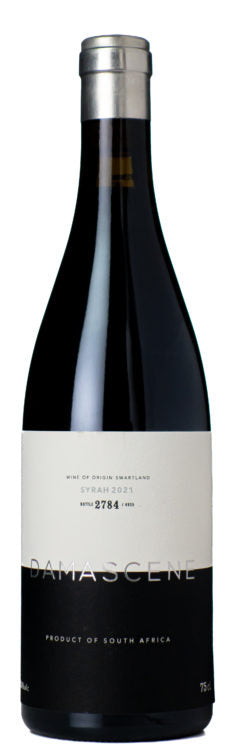
Damascene - Syrah Swartland 2022
A precise and profound Swartland Syrah, where the freshness of the terroir enhances the concentration of the fruit.

David & Nadia - Elpidios 2021
A Swartland blend that is fragrant, fresh and structured. Grenache leads the dance with finesse.

David & Nadia - Chenin blanc 2022
A Swartland Chenin that is at once generous, taut and mineral. The precision of old vines in the glass.
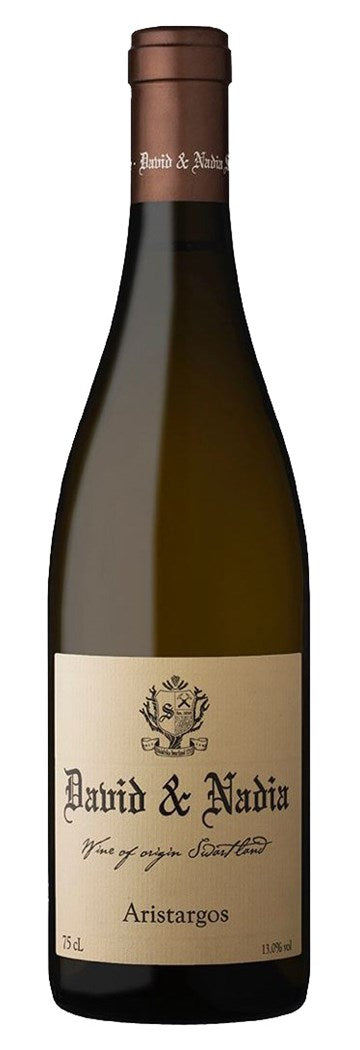
David & Nadia - Aristargos 2022
A great white from the Swartland, textured and deeply saline. Rich fruit meets remarkable tension.
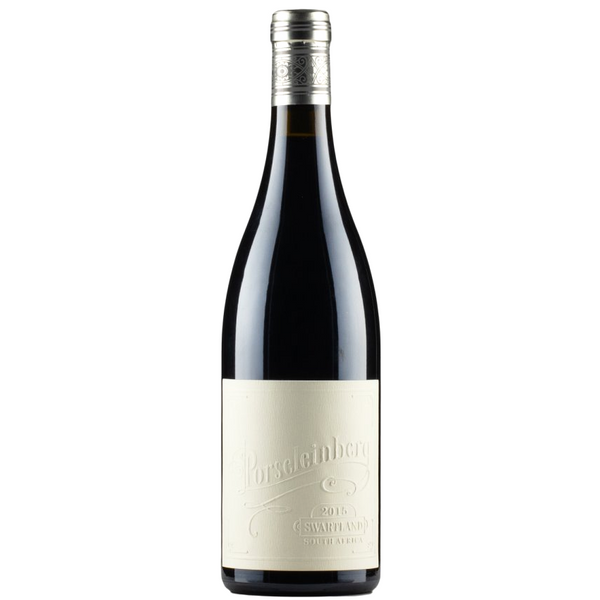
Porseleinberg - Syrah 2021
Recognized worldwide as one of the most beautiful Syrahs in the world
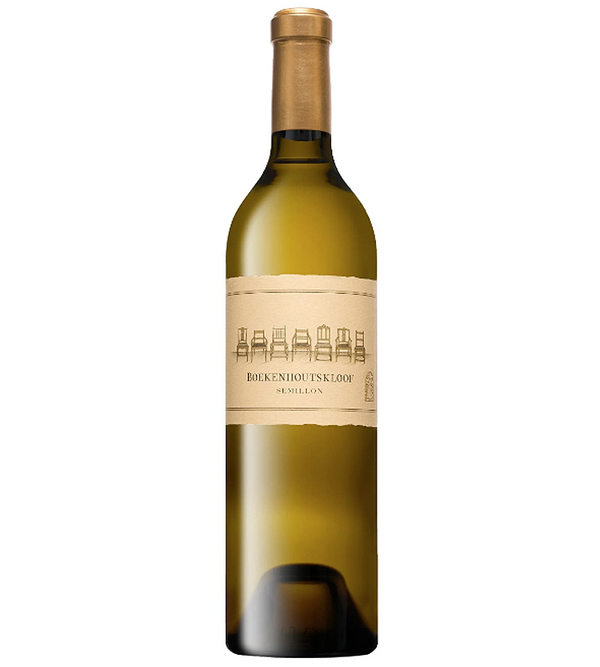
Boekenhoutskloof - Semillon 2021
A South African Sémillon of terroir, ample and precise, where maritime freshness and aromatic complexity subtly intertwine.

David & Nadia - Hoë-Steen 2022
A precise and saline coastal Chenin Blanc, where the depth of the Swartland meets the freshness of the Atlantic.
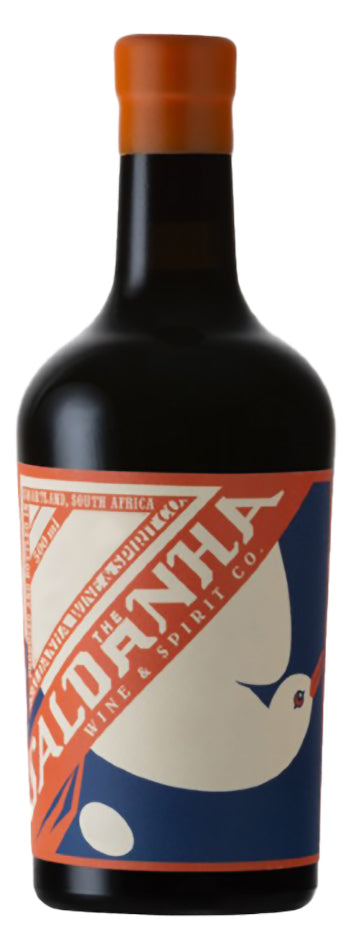
A.A. Badenhorst - Cape Port 2024
A fortified wine from Swartland that is generous, spicy and velvety, combining aromatic intensity and controlled freshness.

David & Nadia - Plat'bos 2022
A precise and saline Swartland Chenin, where the purity of the fruit meets remarkable mineral tension.
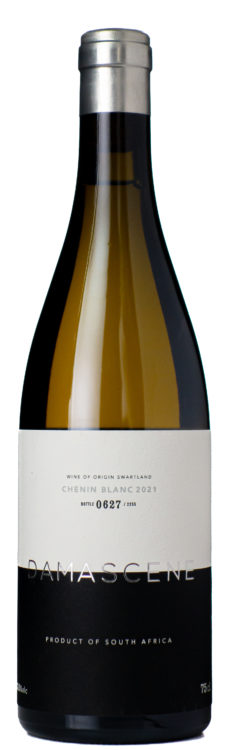
Damascene - Chenin Blanc Swartland 2022
A precise and saline Chenin Blanc from old vines in Swartland, where freshness meets remarkable depth.

David & Nadia - Skaliekop 2022
A Chenin Blanc from Swartland with sharp minerality, precise and saline, built for gastronomy.

David & Nadia - Rondevlei 2022
A precise, saline Swartland white, where freshness highlights the purity of the Rondevlei terroir.
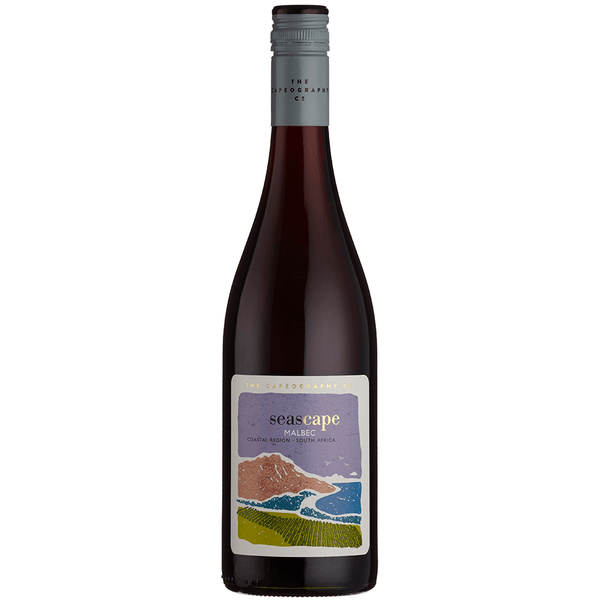
Wildeberg & JD Rossouw - Seascape Malbec 2020
A 100% Malbec from the coastal regions of South Africa
Where to start
Each leads directly to its selection.
Eben Sadie's eight cuvées
Columella, Palladius, T'Voetpad, Pofadder: the estate that showed what the Swartland could produce.
€77 to €136Alheit and its rediscovered plots
Chris Alheit tracks down the Cape's old vineyards and vinifies them one by one. Cartology is his map.
€45 to €63Chenin, the Cape's king grape
Seventeen bottles out of thirty-six. Yellow apple, quince, and a salinity that comes from decomposed granite.
€10.50 to €110Cinsault, light and fragrant
Old bush vines on the slate of the Kasteelberg. Red fruit, fine tannins, moderate alcohol.
€16.50 to €136A peppery Syrah, never jammy
Porseleinberg and Damascene leading the way: olive, black pepper, wild blackberry and biting acidity.
€35 to €136Dorrance, the gentlest way in
A Chenin aged in a concrete egg, a Cinsault vinified in whole bunches. Both under thirty-five euros.
€17.90 and €33Whites, the majority here
Twenty bottles out of thirty-six. In a very hot region, it is white wine that sits at the top of the tree.
Chenin, Sémillon and blendsStay under €20
Eight bottles, including three from the Riebeek cooperative at under twelve euros. The region's style, without the rare plot.
From €10.50
Nine producers, from rare cuvées to weekday bottles
The region rests on a handful of winemakers who all know one another, often work the same plots a few rows apart, and share a method: hand harvesting, native yeasts, neutral oak.
| Domain | What it does best | Price range | What sets it apart |
|---|---|---|---|
| The Sadie FamilyEben Sadie | Columella in red, Palladius in white | €77 to €136 | Eben Sadie makes wine from 54 plots spread over 38 hectares, farmed biodynamically at very low yields. The starting point for everything that has happened here over the past twenty-five years. |
| David & Nadia David and Nadia Sadie | Four single-plot Chenins: Skaliekop, Rondevlei, Plat'bos, Hoë-Steen | €16.50 to €110 | Nadia Sadie holds a degree in earth sciences, and it shows: each cuvée isolates a soil, decomposed granite or shale. The property was taken over in 2014, at the foot of the Paardeberg. |
| Alheit VineyardsChris Alheit | Cartology, the blend of Chenin and Sémillon | €45 to €63 | Chris Alheit seeks out the Cape's forgotten old plots and vinifies them one by one. Fire by Night and Broom Ridge come from the same Paardeberg plateau, on pure granite. |
| Porseleinberg 1 bottle | A single cuvée, a Syrah, at €99.90 | €99.90 | Founded in 2009 by Mark Kent, with wines made by Callie Louw on slate soils. Aged in 2,500-litre foudres and concrete eggs, so that the wood never speaks. |
| Damascene Granite and schist | A Chenin and a Syrah, at the same price | €58 | Two readings of the same terroir of decomposed granite and schists, one in white, the other in red. The most direct way to understand the region in a single order. |
| DorranceNatural fermentation | Kama for Chenin, Rouge Cinsault | €17.90 to €33 | Natural fermentation, ageing in concrete eggs for the white, in tanks and old barrels for the red. No additions other than sulphur. The cheapest way into this style. |
| A.A. Badenhorst 1 bottle | A Cape Port, fortified with grape spirit | €35.60 | Adi Badenhorst is one of the region's founding figures. In our range he is represented only by this fortified wine, aged at length in old barrels, to be served at the end of a meal. |
| Equinox Wines MC Stander | A Chenin and a red blend, made naturally | €24 to €29 | MC Stander works in the Beaujolais manner: carbonic fermentation, whole bunches, skin maceration. The grapes come from local biodynamic growers. |
| Riebeek Cellars With Ryno Booysen | Percheron Blanc, Percheron Shiraz-Mourvèdre, Here & There Malbec | €10.50 to €11.90 | The Riebeek Valley cooperative cellar, at the other end of the price scale. Direct fruit, smooth tannins, nothing to wait for in the cellar. This is everyday Swartland. |
Finally, six bottles come from houses represented by one or two cuvées: Boekenhoutskloof, Paulus Wine Co, Lourens Family Wines, Thistle & Weed and Wildeberg.
Seven grape varieties, two rocks
Swartland has no appellation dictating which grape varieties to plant. Growers plant what withstands drought, and the label almost always states the grape variety or the name of the plot.
| Grape variety | What it gives here | Why it works on these soils | In the catalog |
|---|---|---|---|
| Chenin BlancThe region's grape variety | Yellow apple, quince, honeysuckle, and a salty finish that lingers. Plenty of substance, no residual sugar. | The decomposed granite of the Paardeberg makes for poor, free-draining soils. The vine struggles, yields fall, and acidity holds despite the heat. | From €10.50 to €110 |
| CinsaultThe lightest red | Pale colour, tangy red fruit, fine tannins, pepper. Locally it is nicknamed the Pinot Noir of the Cape. | The old bush vines of the Kasteelberg, on slate and decomposed sandstone, are never irrigated. Cinsault keeps a freshness here that it would lose elsewhere. | From €16.50 to €136 |
| SyrahThe red for ageing | Black pepper, olive, wild blackberry, leather, with biting acidity. Nothing of the jammy fruit of hot countries. | The slate of the Kasteelberg and the Atlantic winds slow ripening. Harvest comes early, and alcohol stays moderate. | From €35 to €136 |
| Grenache Always in blends or on its own | Wild strawberry, pomegranate, dog rose, rosemary. Light in colour, vibrant on the palate, far from heavy Grenaches. | On decomposed granite and sand, with very low yields, it loses its heaviness and keeps its perfume. | From €16.50 to €136 |
| SémillonThe Cape's forgotten grape | Wax, candied lemon, oats, a broad texture held by acidity. Most often blended with Chenin. | The surviving plots date from the 1930s, bush vines without irrigation. Sémillon dominated the Cape before being grubbed up almost everywhere. | From €45 to €77 |
| Carignan For structure | Tight tannin, high acidity, dry spices. A backbone grape rather than a leading role. | It ripens late, which becomes an advantage in a hot climate, and withstands drought without flinching. | At €24 and €136 |
| Mourvèdre Rarely on its own | Leather, garrigue, firm tannins. It gives a blend its backbone and keeps it standing over time. | A late-season grape variety, it needs sun until the very last day. The Swartland gives it that effortlessly. | In the Columella at €136 and in the Percheron at €11.90 |
Malbec, Viognier, Pinotage and Cabernet Franc complete the section on a few bottles. Eben Sadie's Palladius, for its part, blends eleven grape varieties on its own, including Clairette, Verdelho and Palomino.
The most expensive section in the cellar, and deliberately so
The median price in Swartland is €51.50, against €10.50 for the cheapest bottle and €136 for the Columella. This is no accident of selection: the region is home to the country's most sought-after winemakers, working small plots at very low yields. Eight of the thirty-six bottles come from Eben Sadie, seven from David & Nadia, four from Chris Alheit.
The other end of the scale exists all the same. Eight bottles are under twenty euros, three of them from the Riebeek cooperative cellar at less than twelve. They are not the same wines and do not claim to be, but they show what the region gives when you are not chasing the rare plot.
One last point often surprises: of thirty-six bottles, twenty are white. In one of South Africa's hottest areas, it is Chenin that sits at the top of the tree, not red wine.
The Old Vine Certified seal
A seal applied to some South African bottles, reserved for registered and inspected plots more than thirty-five years old.
It requires the planting year to be printed on the label. A Chenin bearing 1972 therefore comes from vines planted that year, which is verifiable and rare in the wine world.
Swartland has a high proportion of them, because its unirrigated, low-yielding bush vines escaped the replanting campaigns.
The Wine Wanderer Team
What we're asked before ordering
Where is the Swartland, and why is it talked about so much?
A plain of wheat and vines an hour north of Cape Town, between Malmesbury and Riebeek-Kasteel, in the Coastal Region. Until the late 1990s, it sold its grapes in bulk to cooperatives, with no one putting their name to a bottle. Eben Sadie settled here at that time and proved that serious wine for ageing could come from these old, unirrigated bush vines. A generation followed within ten years, Chris Alheit, Adi Badenhorst, David & Nadia Sadie, and Swartland became the leading reference when people talk about South Africa.
What is dry farming?
A vine farmed without any added water, which remains rare in a country where irrigation is the norm. The roots go down in search of moisture in the granite or slate, sometimes several metres deep. Yields drop, the berries stay small and the skins thick: that is where the concentration comes from, not from overripeness. It also explains why these wines keep moderate alcohol levels in one of the hottest regions of the country.
What does an old vine bring?
Consistency, first of all. A fifty-year-old vine produces little, but it produces roughly the same every year, because its root system copes as well with drought as with too much rain. The grapes ripen more slowly and more evenly, giving balanced wines, less alcoholic, with acidity that holds. Swartland has kept many of them, as bush vines, on slopes too poor for anyone to think it worth replanting.
Why are these wines so expensive?
Three reasons add up. Yields are very low, thirty hectolitres per hectare for Eben Sadie's Pofadder for example, which multiplies the cost of each bottle. Old plots are rare and several winemakers compete for them. Finally, demand is global: cuvées from Sadie or Porseleinberg are allocated, not freely ordered. Our range runs from €10.50 to €136, with a median of €51.50.
Which bottle should I start with?
The Rouge Cinsault from Dorrance, at €17.90, sets the tone of the region on a weekday budget: light, spicy, unoaked. For white, David & Nadia's Topography White at €16.50 shows what Chenin becomes on granite. To understand why everyone talks about the region, step up to Alheit's Cartology at €45, which blends Chenin and Sémillon from old plots.
What is the Swartland Independent Producers?
A group of winemakers from the region, formed in the early 2010s, that set itself a charter stricter than South African law: grapes exclusively from Swartland, a list of grape varieties suited to the climate, fermentation with local yeasts, no oak chips or adjustments, neutral or discreet oak. The seal appears on bottles that respect the charter. It is not an appellation but a voluntary commitment, and it has done a great deal for the region's stylistic consistency.
Do these bottles keep?
The structured reds, yes. Columella drinks well for around fifteen years, and Porseleinberg's Syrah needs a few years to open up. The great Chenins from David & Nadia and Alheit last around ten years, gaining wax and honey without losing their tension. The cuvées under twenty euros, on the other hand, are made for their fruit and are best drunk within two or three years.
Swartland Chenin: how does it differ from a Vouvray?
The same grape variety, two opposite climates. In the Loire, it ripens slowly under cool skies, often keeps some residual sugar and plays on lemony acidity. Here, it grows on decomposed granite without a drop of water, ripens quickly and is picked early: the wine is dry, broader in texture, with yellow apple and quince, and a saline, chalky finish. The Loire bets on tension, Swartland on substance.
Why so many whites in such a hot region?
Twenty of our thirty-six bottles are white, almost all Chenin. The paradox is not really one: old Chenin plots were the region's most precious asset when the new generation arrived, and decomposed granite gives them an acidity the heat cannot erase. The reds came later, from Cinsault, Syrah and Grenache.
Which dishes to serve with them?
An old-vine Chenin stands up to poultry in a cream sauce, an oily fish or a mature goat's cheese, because it has the substance for it. Cinsault and Grenache, light and fragrant, go with charcuterie, grilled lamb and tagines. Syrah calls for rare red meat or a peppery dish. A.A. Badenhorst's Cape Port, fortified with grape spirit, is served on its own at the end of a meal.