
High-altitude wines from Salta and the Valles Calchaquíes
14 bottles from northern Argentina, from €13.50 to €79These are among the highest vineyards in the world. Above 1,600 metres, under a sun that nothing filters, the grapes thicken their skins to protect themselves from ultraviolet light: the reds come out almost black, dense and very tannic, and the whites retain an acidity that the heat should have wiped out.
Two forces explain this style: the temperature range between day and night, and high-altitude radiation. The Cafayate valley is its centre, Torrontés its signature grape, and Malbec its darkest expression.

Amalaya - Tinto Malbec 2020
A sunny and spicy Malbec, from the highest vineyards in the world!
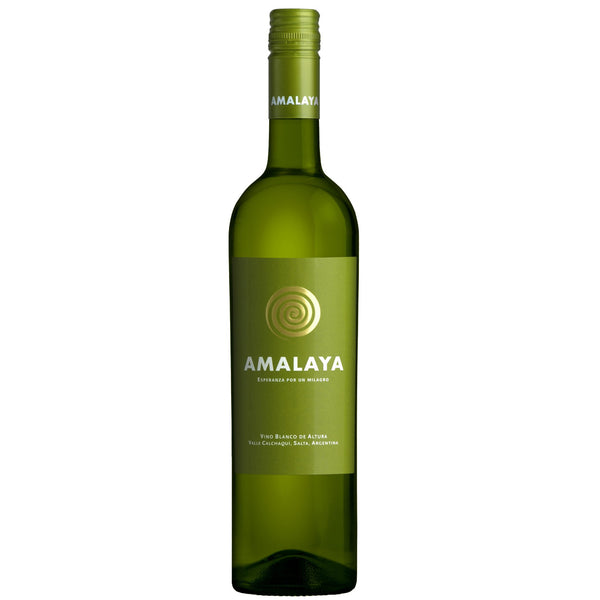
Amalaya - Amalaya Torrontés & Riesling 2023
An aromatic Torrontés, subtly blended with the freshness of Riesling
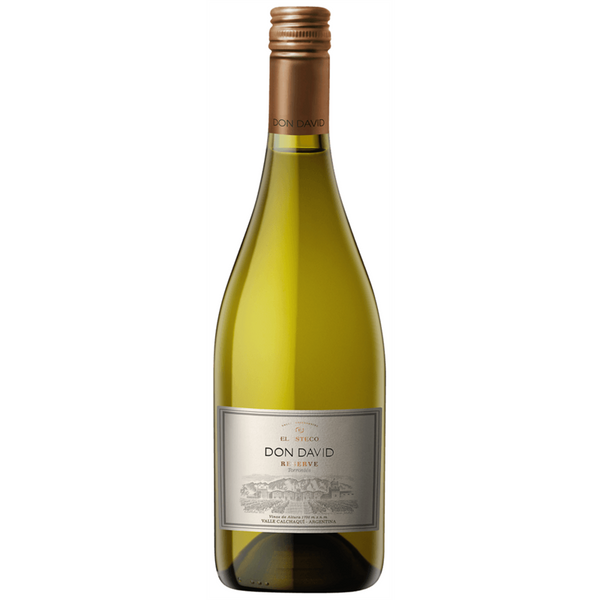
El Esteco - Don David Reserve Torrontés 2022
A fresh and aromatic Torrontés, from vines perched at an altitude of 1800 meters.

El Porvenir - Amauta Tannat 2024
A round and balanced wine, expressing the typicality of Tannat
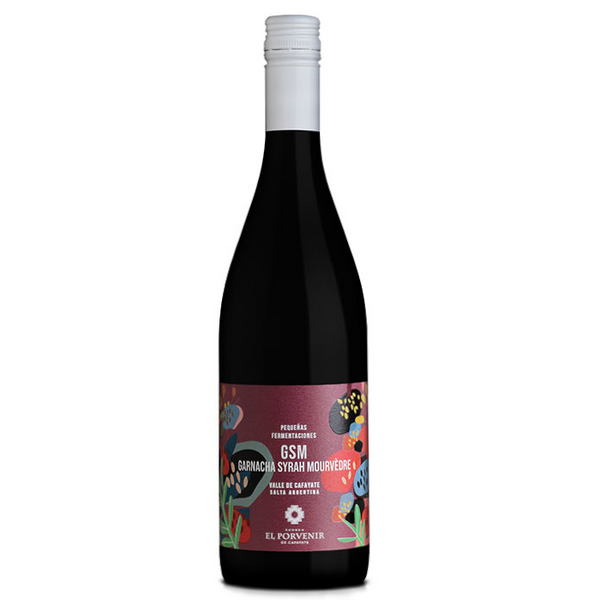
El Porvenir - Pequeñas Fermentaciones GSM 2022
A perfectly balanced GSM blend, revealing the imprint of the Andean terroir
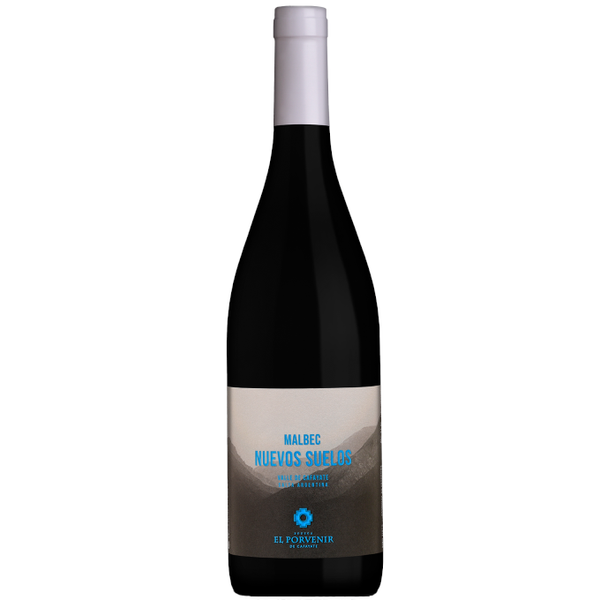
El Porvenir - Malbec Nuevos Suelos 2022
A Malbec crafted in the purity of its Alpine terroir
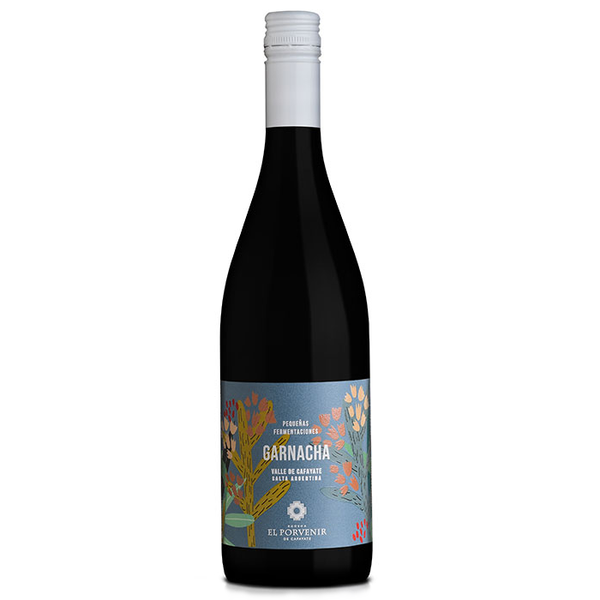
El Porvenir - Pequeñas Fermentaciones Garchacha 2024
A vibrant and fruity version of Grenache, illustrating all the finesse of the Andean terroir
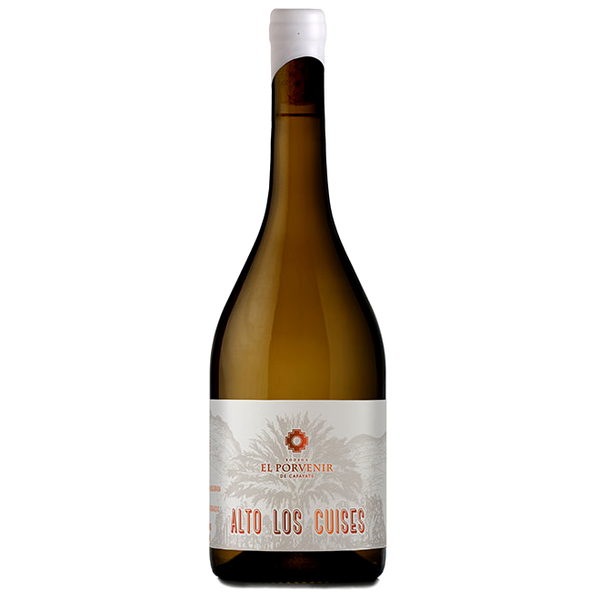
El Porvenir - Alto de Los Cuises Chardonnay 2022
A round and balanced wine, expressing the typicality of Tannat
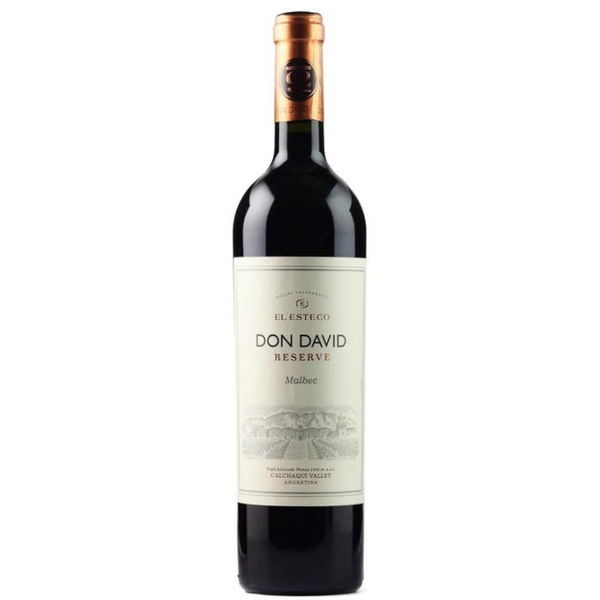
El Esteco - Don David Reserve Malbec 2020
An intense Malbec from the Cafayate valley perched 1800 meters above sea level
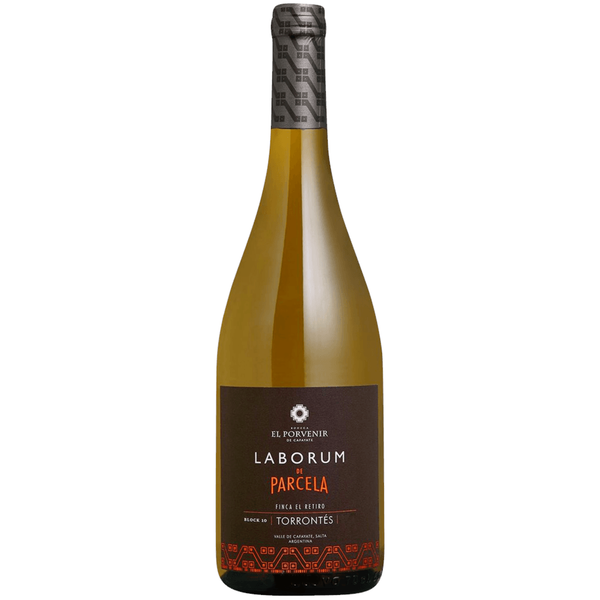
El Porvenir - Torrontés Laborum de Parcela 2023
An intense and mineral wine, expressing all the typicality of Torrontés
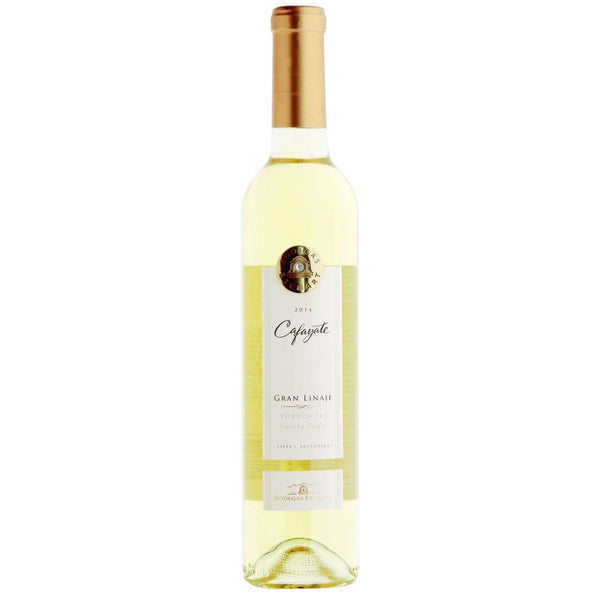
Etchart - Cosecha Tardia Torrontés 2024
Late-harvest Torrontés, lychee and honey, for dessert or spicy food.
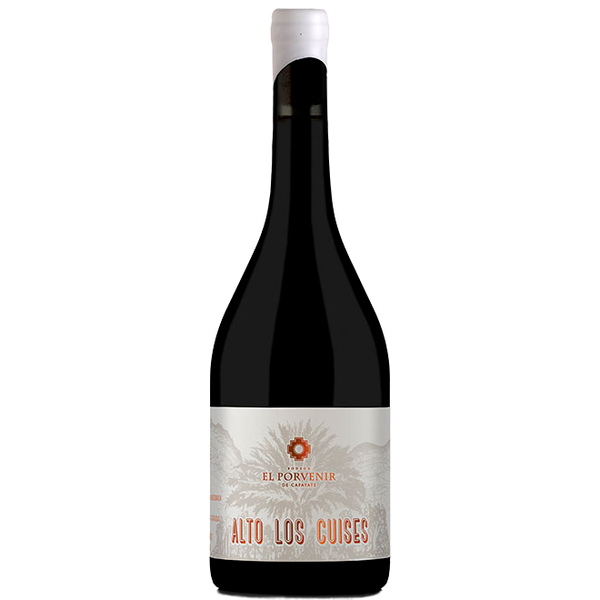
El Porvenir - Malbec Alto de Los Cuises 2021
A haute couture Malbec from an exceptional terroir

El Porvenir - Amauta Malbec 2023
A sunny wine expressing the typicality of Malbec from Cafayate
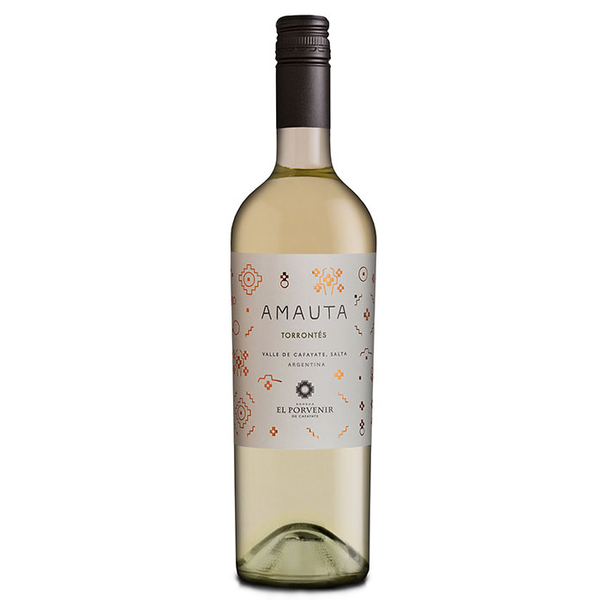
El Porvenir - Amauta Torrontés 2024
A round and balanced wine, expressing the typicality of Tannat
The villages of the Valles Calchaquíes
The vineyards follow the Calchaquí River for nearly two hundred kilometres, from the south of Salta Province up to the hamlets of the puna. Every hundred metres gained takes away a little average heat and adds radiation: the same grape variety gives a completely different wine there.
| Village | Altitude | Grape varieties | What it means in the glass |
|---|---|---|---|
| Cafayate | 1,650 to 1,900 m | Torrontés, Malbec, Tannat | The heart of the vineyard, and almost all of this section. Very floral whites, dense but still supple reds. |
| Animaná | 1,700 to 1,800 m | Malbec, Cabernet Sauvignon | One step further north, on sands and rounded pebbles. More austere reds, with a tight, peppery frame. |
| San Carlos | 1,700 to 1,900 m | Malbec, Torrontés, Criolla | Old vines often bush-trained. Wild black fruit, rustic tannin, plenty of character. |
| Molinos | 2,000 to 2,300 m | Malbec, Tannatsee the Malbec section | Cold nights, very slow ripening. The fruit turns tangy and the acidity keeps the power in check. |
| Colomé | 2,300 to 2,600 m | Malbec, Torrontés | A hamlet in the Molinos department, planted since 1831. Compact, deeply coloured reds with a saline finish. |
| Payogasta | 2,400 to over 3,000 m | Malbec, Cabernet Sauvignon | Among the highest parcels on the planet. Graphite tannins, biting freshness, long ageing potential. |
The product sheets in this section place every cuvée around Cafayate, between 1,650 and 1,850 metres. The altitudes of the villages further north serve as a reading guide.
Torrontés: a user's guide
It is the only white grape Argentina can claim as its own. It is disconcerting at the first sip: a Muscat nose that promises sweetness, and a dry, nervy palate. Here is what you need to choose without making a mistake.
| The topic | What you need to know | What it changes when buying |
|---|---|---|
| Origin | A cross born in South America, between Criolla Chica brought by the Spanish settlers and Muscat of Alexandria. It has no European equivalent. | Don't look for a French reference point: this taste is to be discovered on its own terms. |
| Difference from Muscat | The nose is openly Muscat-like, orange blossom and lychee, but the palate stays dry and taut. The aroma comes from Muscat, the freshness from the other parent. | A white that smells sweet without being so, formidable as an aperitif. |
| Riojano or Mendocino | Three Torrontés coexist in Argentina. Riojano, the most aromatic, dominates in Cafayate; Mendocino, more neutral, is mainly used in blends. | At the same price, a bottle from the north will be far more expressive. |
| Dry or medium-sweet | The vast majority is vinified dry. Late-harvest versions remain rare, such as Etchart's cosecha tardía, at €20.60 a bottle.see all Torrontés | Look for the words tardía or sweet if you want a dessert wine. |
| Serving temperature | Between 8 and 10 °C for a dry one, 6–8 °C for a sweet one. Too cold, and the nose closes up, leaving only the acidity. | Take the bottle out of the fridge a quarter of an hour before serving. |
| Pairings | Its biting freshness stands up to chilli: empanadas, Thai food, ceviche, fresh goat's cheese, chicken tagine with preserved lemons. | The white to open when a Sauvignon or a Chardonnay falls short. |
| Price | Here, Torrontés ranges from €13.50 for an entry-level cuvée to €35 for an old-vine parcel planted in 1945. | Above €30, you are paying for a specific place, not just a grape variety. |
All the Torrontés wines in this section come from the Cafayate valley, in both dry and late-harvest versions. Other Argentine provinces produce it too; you will find them in the grape variety section.
Why Malbec from Salta does not resemble Malbec from Mendoza
In Mendoza, Malbec ripens between 900 and 1,500 metres, in a dry continental climate, and gives supple wines with generous plum and velvety tannins. A thousand kilometres further north, in Cafayate, the same variety grows at 1,700 metres and above, under far more intense ultraviolet radiation.
The vine responds by thickening the skins of its berries: more pigment, more tannin, less juice. The result is an opaque black wine with aromas of wild fruit, olive and graphite, and a firm structure in its early years. Add a twenty-degree drop in temperature between midday and dawn, and you get the biting acidity that stops all this power from turning heavy.
What the label says
The product sheets in this section almost always give the altitude of the parcel: 1,650 metres for an old-vine Torrontés, 1,700 metres for a Tannat, 1,850 metres for a terrace Malbec. It is the most useful piece of information for guessing the style of a bottle, even more so than the vintage.
The Wine Wanderer Team
What people ask us about Salta's wines
Where are the Valles Calchaquíes?
These high-altitude valleys stretch across the north-west of Argentina, straddling the provinces of Salta, Tucumán and Catamarca, almost a thousand kilometres north of Mendoza. The vineyards follow the Calchaquí river from Cafayate towards Payogasta, climbing from 1,650 metres to over 3,000 metres. Salta accounts for most of the production.
Why does altitude change the taste of wine?
The thin air filters out less ultraviolet light: the vine thickens the skins of its berries, which concentrates colour, tannins and aromas. At night, the temperature drops sharply, sometimes by twenty degrees, ripening slows and the acidity is preserved. Hence wines that are very powerful and very fresh at the same time. Patagonia achieves a similar effect through latitude rather than altitude.
Is Malbec from Salta different from Malbec from Mendoza?
Clearly. Malbec from Mendoza, planted lower down in the Valle de Uco or in Luján de Cuyo, offers ripe plum, roundness and velvety tannins. Cafayate Malbec is darker and more tannic, marked by black fruit, olive and graphite, with a tight finish. Allow a year or two in the cellar, or a spell in a decanter, to soften it.
What is Torrontés?
It is the signature white grape of northern Argentina, a cross between Criolla Chica and Muscat of Alexandria. It smells of Muscat, orange blossom and lychee, but is almost always vinified dry, with a slight bitterness on the finish that saves it from heaviness. In Cafayate, it also gains a rare mineral tension.
What budget should you allow for a wine from Salta?
In this section, prices range from €13.50 to €79 a bottle. At around €15, you will find the entry-level cuvées of the major houses, in white as well as red. Between €25 and €35, the single-parcel selections. Above €50, the confidential cuvées, sometimes produced in fewer than 2,000 bottles a year.
Which estates make up this selection?
Houses from Cafayate: El Porvenir, the most represented, with its Amauta, Pequeñas Fermentaciones, Nuevos Suelos and Laborum ranges; El Esteco, founded in 1892, known for its Don David Reserve range; Amalaya, owned by Hess Family Wine Estates, which also runs Colomé; and Etchart. Their detailed profiles are available on our wine estates page.
Do these wines keep for a long time?
High-altitude reds are built to last: their thick skins give them tannins and acidity that easily hold for five to ten years, longer for single-parcel cuvées aged in barrique or concrete eggs. Dry Torrontés, on the other hand, is best drunk in its first two or three years, while the aromas are still intact.
At what temperature should they be served?
Allow 8–10 °C for a dry Torrontés, 6–8 °C for a late harvest, 16–17 °C for the reds. Served too warm, Cafayate Malbecs seem alcoholic and hard. Half an hour in a decanter does a lot for young reds and the valley's most tannic cuvées.
Are there organic wines in this section?
Yes. El Porvenir's cuvées are listed as organic, from the old-vine Torrontés to the Tannat, by way of the Grenache, Syrah and Mourvèdre blends. Cafayate's very dry, windy climate naturally limits disease pressure on the vines and makes conversion easier than elsewhere.
How do you choose between a red and a white from northern Argentina?
If you are looking for power and substance, choose a Malbec or a Tannat from Cafayate, in our section on red wines. If you are after aroma and liveliness, Torrontés has no equivalent – see our section on white wines. Shipping terms are set out on our delivery page, and discounts are already applied to the prices shown.