
Wines from Argentinian Patagonia, the freshness of the south
22 bottles from southern Argentina, from €16.50 to €78Taut Pinot Noirs, straight Chardonnays and very old Malbec vines planted on a riverbank in the middle of the steppe desert: southern Argentina looks nothing like the country's Andean image. Here we head down to the 45th parallel, around a thousand kilometres south of Mendoza, under a wind that never stops.
Three provinces share this vineyard: Neuquén, Río Negro and Chubut. The wines gain natural acidity and moderate alcohol, whereas Mendoza's altitude seeks concentration. Malbec and Pinot Noir sit alongside rare whites: old-vine Sémillon, Chenin and Torrontés.
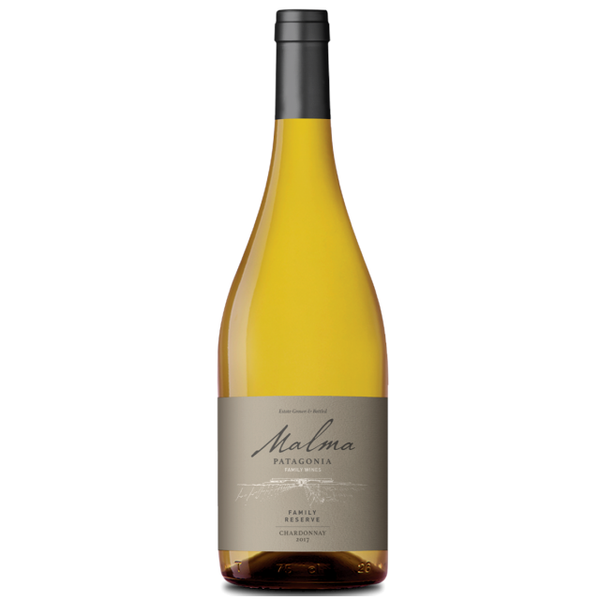
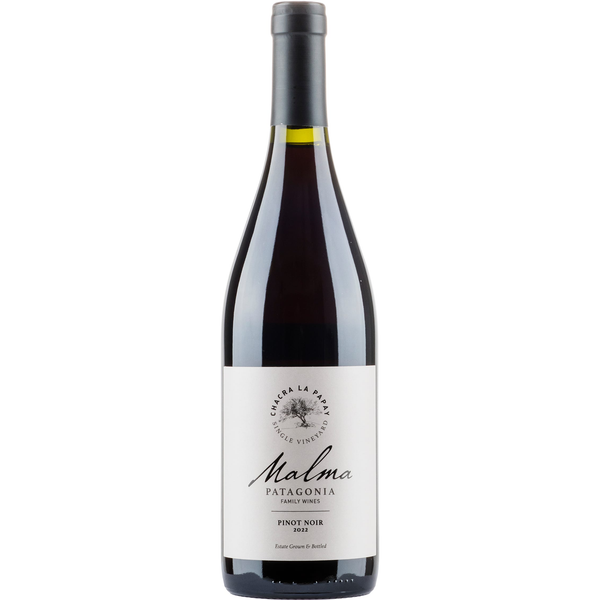
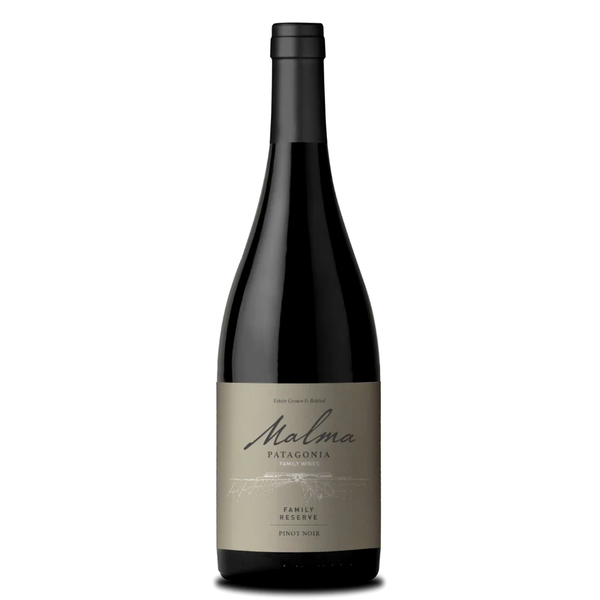

Matías Riccitelli - Old Vine From Patagonia Sémillon 2023
A great Sémillon from Patagonia!
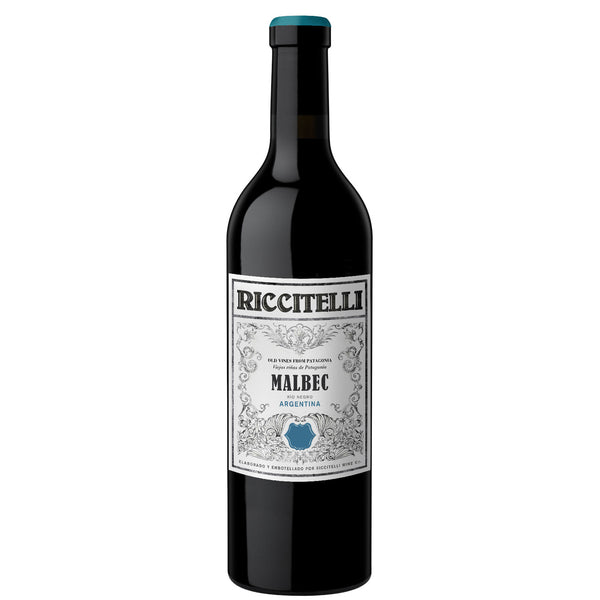
Matías Riccitelli - Old Vine From Patagonia Malbec- 2022
Old ungrafted Malbec vines, planted in the heart of Patagonia
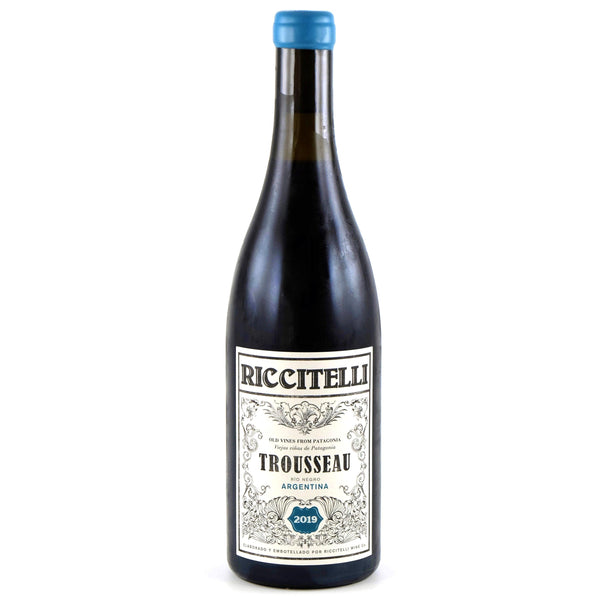
Matías Riccitelli - Old Vine From Patagonia Bastardo 2023
A micro-production from Riccitelli, worked on finesse and elegance.

Bodega Noemia - A Lisa Malbec 2021
A fresh and harmonious Malbec, the signature of the Patagonian terroir
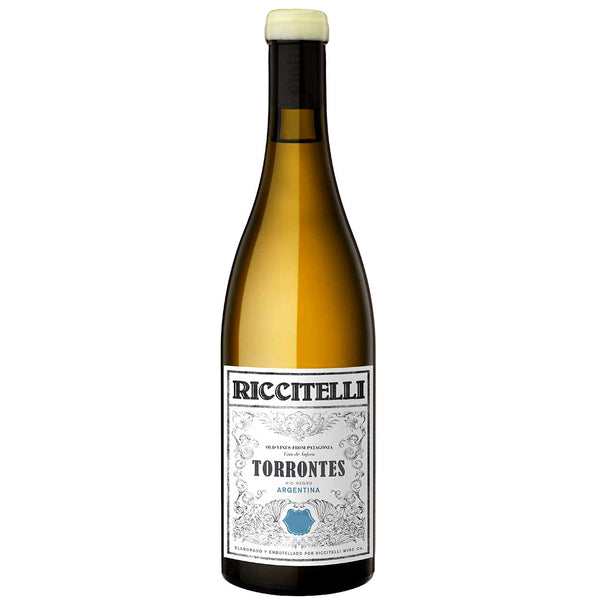
Matías Riccitelli - Old Vine From Patagonia Torrontés 2024
A high-end Patagonian wine, made from old Torrontes vines
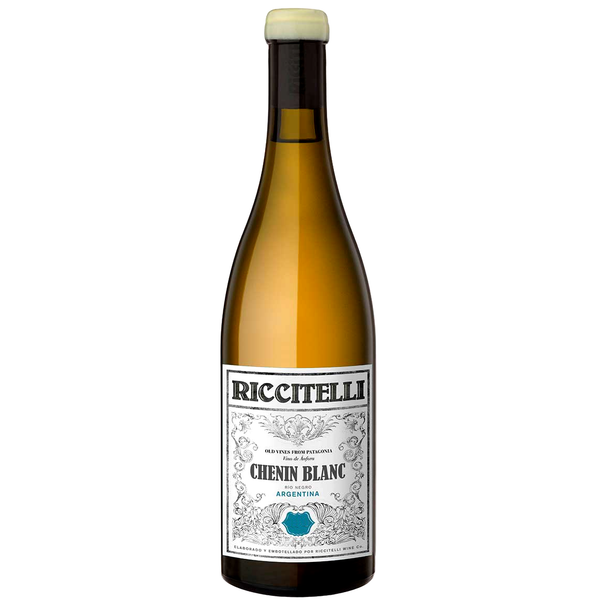
Matías Riccitelli - Old Vine From Patagonia Chenin Blanc 2024
A high-flying Patagonian wine, made from old Chenin Blanc vines
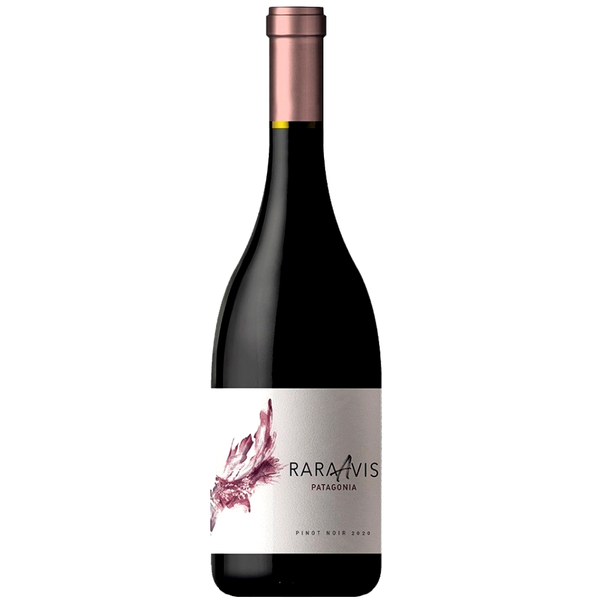
Malma - Rara Avis Pinot Noir 2021
The top-of-the-range Pinot Noir from Domaine Malma, made from ungrafted vines
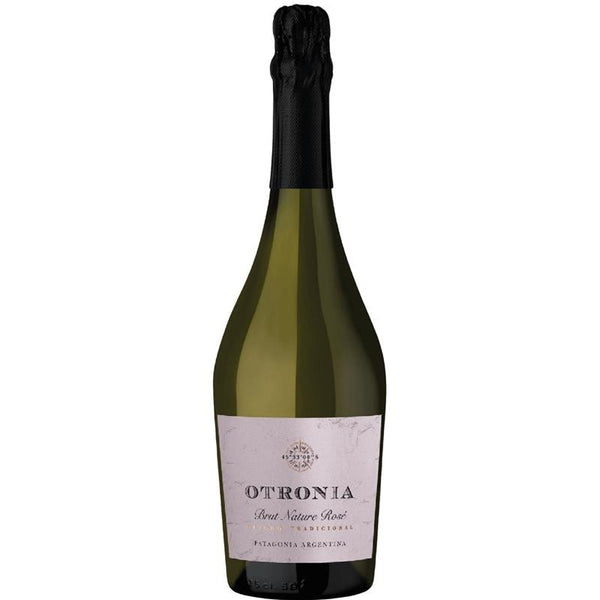
Otronia - Brut Nature Rosé
A sparkling Patagonian rosé of great freshness, where the precision of Pinot Noir meets the energy of the southern climate.
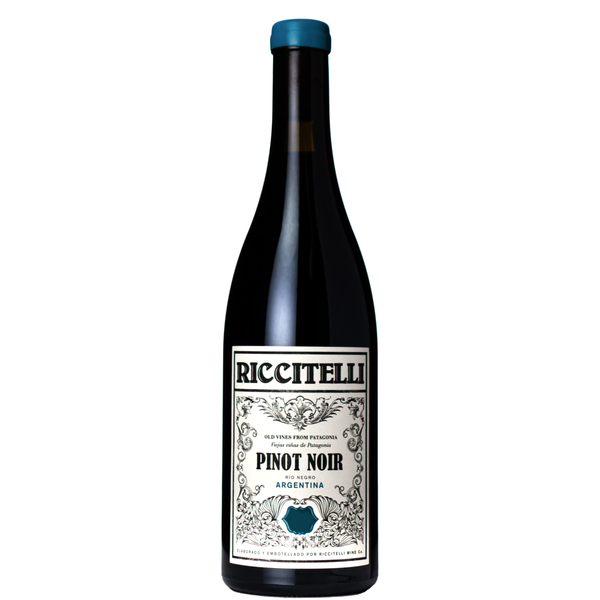
Matías Riccitelli - Old Vine From Patagonia Pinot Noir 2024
Old, ungrafted Pinot Noir vines planted in the heart of Patagonia
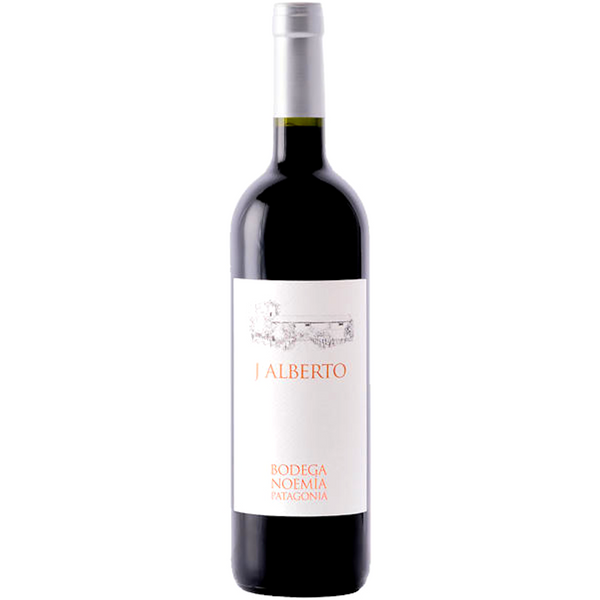
Bodega Noemia - J. Alberto 2021
An exceptional Malbec from an old vineyard from 1955
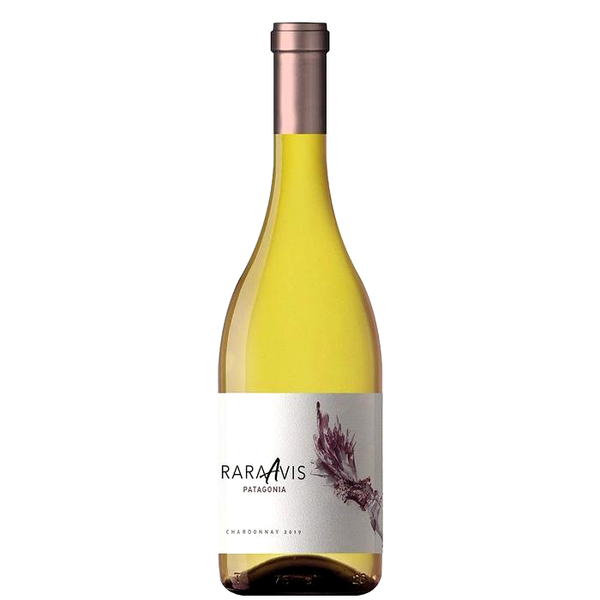
Malma - Rara Avis Chardonnay 2021
The high-end Chardonnay, from ungrafted vines, offering all the complexity of the Patagonian terroir

Otronia - Rugiente 45 Merlot 2019
A high-latitude Patagonian Merlot, combining freshness, aromatic precision and elegance on the palate.
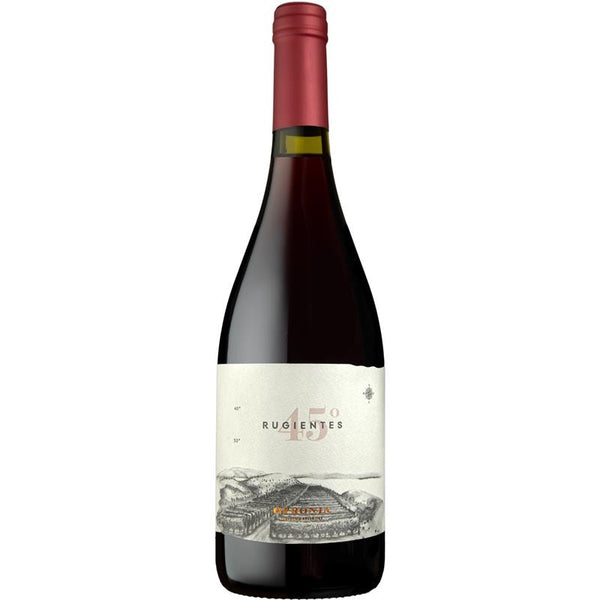
Otronia - Rugiente 45 Pinot Noir 2019
A high-latitude Patagonian Pinot Noir, precise and vibrant, where extreme freshness meets the elegance of the southern terroir.
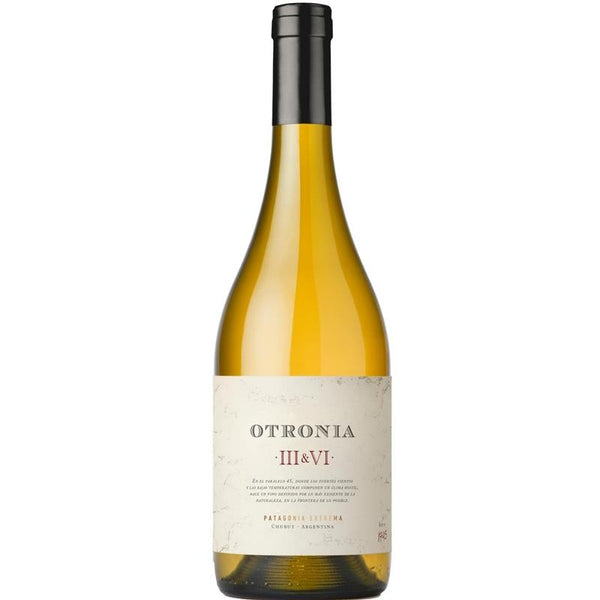
Otronia - Block III & VI Chardonnay 2019
A high-latitude Patagonian Chardonnay, taut and precise, where extreme freshness meets a remarkable saline depth.
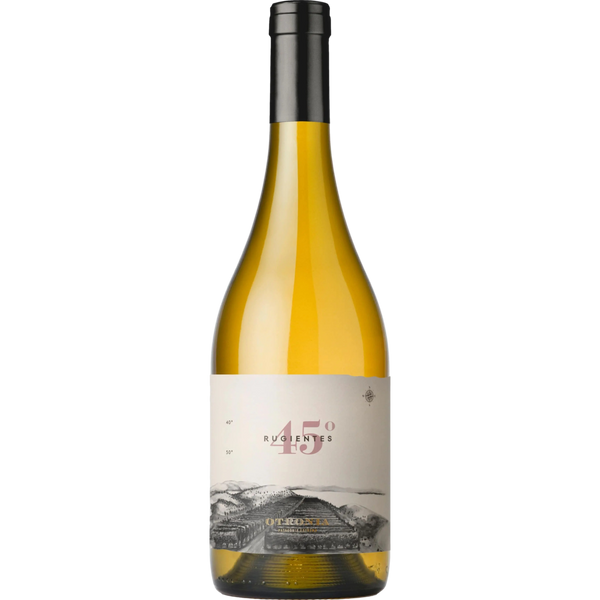
Otronia - Rugiente 45 Corte de Blancas 2019
A Patagonian white from an extreme climate, precise and vibrant, where southern freshness meets a beautiful aromatic complexity.
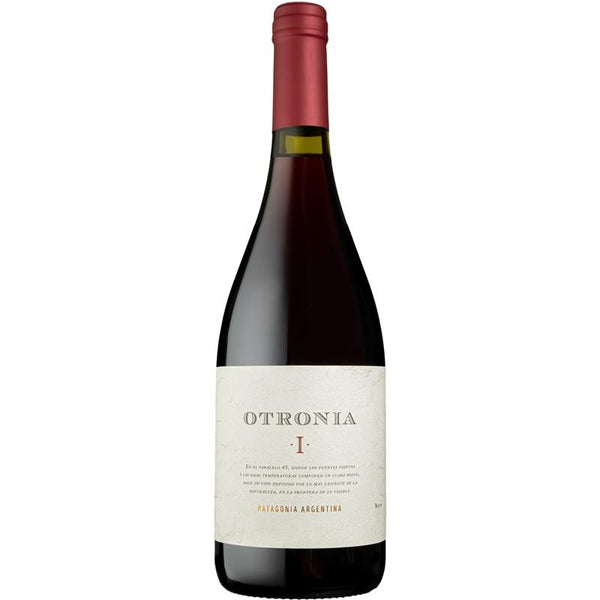
Otronia - Block I Pinot Noir 2019
A Patagonian Pinot Noir from a cold climate, precise and vibrant, where the freshness of the extreme south meets an elegant aromatic depth.
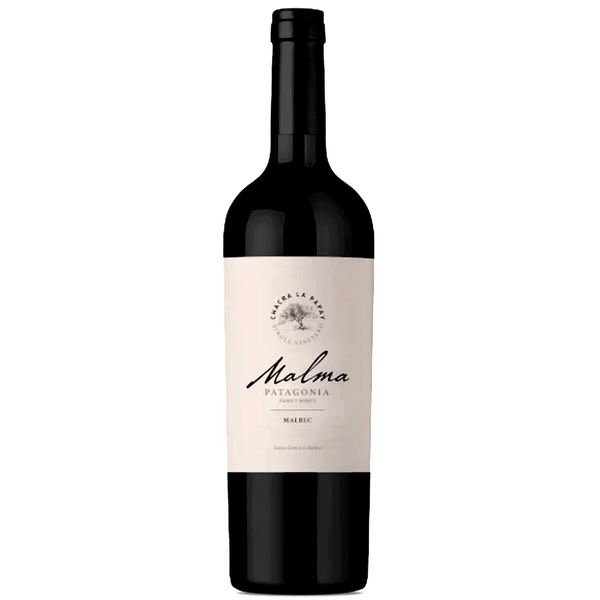
Neuquén, Río Negro and Chubut, three terroirs of the south
The Patagonian vineyard is not a single block: it is a string of irrigated oases along the rivers that flow down from the Andes towards the Atlantic, separated by hundreds of kilometres of steppe. From one province to the next, the latitude changes, the season shortens and the style follows.
| Province | Latitude and climate | Grape varieties | What it means in the glass |
|---|---|---|---|
| Neuquén San Patricio del Chañar | Around 38° S, at about 270 m, less than 200 mm of rain a year | Malbec, Pinot Noir, ChardonnayPlanted from 1999 onwards | Clean fruit, supple tannin: Malma, from €16.50 to €59 |
| Black River Alto Valle, around General Roca | Around 39° S, from 200 to 400 m, a long, dry season on the riverbank | Old-vine Malbec and Pinot Noir, Sémillon, Chenin, Torrontés | Fine, salty palate: Riccitelli at €58, Noemia from €39 to €78 |
| Chubut Sarmiento, on the 45th parallel south | 45° S, a short season, risk of frost and gusts almost every day | Pinot Noir, Chardonnay, Merlot, aromatic whites | Lively acidity and low alcohol: Otronia, Rugiente 45 at €33.80, single-plot Block wines at €75.80 |
| Patagonia Broad designation, with no specific province | Between 38 and 45° S, isolated oases in the middle of the steppe | Curiosities left behind by immigrants, including Trousseau, known locally as Bastardo | A pale, peppery red to drink cool: Riccitelli's Bastardo, €58 |
None of these provinces has its own page on our site yet: all of southern Argentina is gathered in this selection, alongside Mendoza, Luján de Cuyo and Salta in our section of Argentine wines.
What cold and wind do to the grapes
Winemaking Patagonia comes down to five factors that act together and can be found, one by one, in the glass. They explain why a Malbec from Río Negro drinks differently from a Malbec from the Valle de Uco.
| The factor | What it does to the vine | What you find in the glass | Examples in our cellar |
|---|---|---|---|
| Southern latitude From 38 to 45° S | Long but cool days, slow ripening, acidity retained until harvest | Moderate alcohol, a straight palate, fresh red fruit rather than jammy fruit | Otronia Rugiente 45 Pinot Noir, €33.80Chubut |
| Constant wind The westerly winds of the 45th parallel | Smaller berries, thick skins, reduced yields, airy, healthy bunches | Deep colour, firm tannin, a clean sensation without heaviness | Otronia Block I Pinot Noir, €75.80 A plot lined with windbreaks |
| Day-night temperature range Hot days, cold nights | Aromas develop slowly; acidity is not burned off at night | Precise aromas and acidity that lasts through to the finish, even in ripe reds | Malma Rara Avis Chardonnay, €59Neuquén |
| Old vines of the Alto Valle Planted in the early 20th century | Vines often ungrafted, deep roots, small, regular crops | Density without over-ripeness, length and salinity on the finish | Riccitelli Old Vine From Patagonia Sémillon, €58Black River |
| River irrigation Canals from the Río Neuquén and the Río Negro | The water comes from the river, not the sky: the grower controls the water stress himself | Consistent ripeness from one vintage to the next, few failed years | Bodega Noemia A Lisa Malbec, €39Black River |
Several of these cuvées are only offered in lots of two or three bottles, or in cases of six: the price shown is always per bottle. Format details can be found on our delivery page.
Another face of Argentinian Malbec
Patagonian Malbec surprises anyone who only knows Mendoza. In the Alto Valle of Río Negro, it grows on vines planted almost a century ago by families from Italy and Spain who came to grow fruit, not grapes. The resulting wine is lighter, more slender, with an acidic backbone as reminiscent of the Loire as of the Andes.
This is also the part of Argentina where Pinot Noir does best. It produces light reds to be served cool here, and forms the base of Otronia's Brut Nature Rosé, at €55, the only Patagonian sparkling wine in our cellar.
Where to start
Two bottles are enough to understand the region: Malma's Chacra la Papay Pinot Noir, at €16.50, for the fruit and lightness of Neuquén, then Matías Riccitelli's Old Vine From Patagonia Sémillon, at €58, for what the old vines of Río Negro can give: a food-friendly white that ages well.
The Wine Wanderer Team
What we are asked about Patagonia
Where are the vineyards of Argentinian Patagonia?
South of the río Colorado, about a thousand kilometres from Mendoza. Three provinces produce wine: Neuquén around San Patricio del Chañar, Río Negro in the Alto Valle near General Roca, and Chubut at Sarmiento, on the 45th parallel south. The vines are planted along the rivers, in a steppe desert where very little rain falls.
How do these wines differ from those of Mendoza?
The freshness does not come from the same source. In Mendoza, it is gained through altitude, sometimes above 1,500 m. In Patagonia, it comes from latitude and wind, in low-lying vineyards. The result: more moderate alcohol, finer tannins and natural acidity that needs no correction.
Does Patagonian Malbec taste the same as elsewhere?
No. It is lighter in colour and more slender, with bright red fruit and peppery notes, where Malbec from Mendoza leans towards black fruit and velvet. The old vines of Río Negro, at Bodega Noemia or Matías Riccitelli, also bring a salinity not found further north.
Is Argentinian Pinot Noir worth a detour?
Patagonia is where it expresses itself best, and it is the reason this selection exists. The Neuquén cuvées from Malma play on fruit and lightness, from €16.50. Those from Chubut, by Otronia, are tauter and more saline. See also our section on Pinot Noir.
Which whites can you find in southern Argentina?
Chardonnay dominates, from Malma's Rara Avis to Otronia's single-parcel wines. Add to that rare whites from the old vines of Río Negro: Sémillon, Chenin and a Torrontés far removed from the Salta style, dry and saline. Otronia also makes a blend of four white grape varieties, the Corte de Blancas.
What budget should you allow for a Patagonian bottle?
From €16.50 for Malma's entry-level wines to €78 for Bodega Noemia's J. Alberto. The heart of the selection lies between €25 and €58. Watch the format: several cuvées are sold in lots of two or three bottles, or in cases of six, with the price shown per bottle.
Which Patagonian estates do you offer?
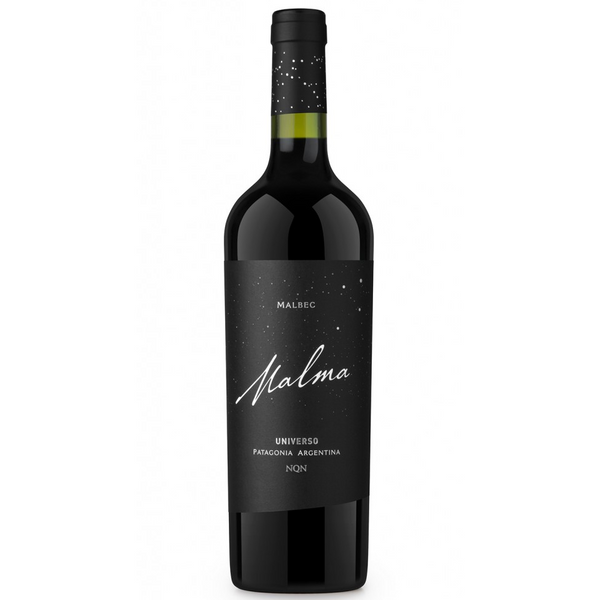
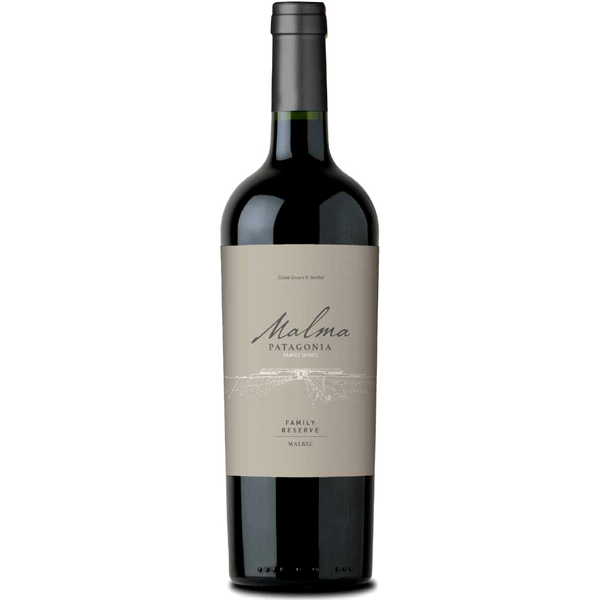
Malma for Neuquén, with its Chacra la Papay, Family Reserve, Universo and Rara Avis ranges. Bodega Noemia and Matías Riccitelli for the old vines of Río Negro. Otronia for Chubut, the southernmost of them all. The producer profiles are gathered on our wine estates page.
Which dishes go with these wines, and at what temperature?
The Pinot Noirs and the Bastardo are served cool, around 14–15 °C, with poultry, grilled fish or fine charcuterie. The Malbecs need 16–17 °C and go with lamb or rare beef. The whites from Río Negro, served at 10–12 °C, stand up to shellfish and soft cheeses.
Argentinian Patagonia or Chilean wines: how to choose?
Both offer freshness, but not the same kind. Chile owes it to the Pacific Ocean and its coastal valleys, with plenty of Cabernet and Carmenère. Patagonia owes it to cold and wind, with Pinot Noir, Chardonnay and old-vine Malbec. Discover them side by side in our wines from around the world.