
Prosecco: our selected cuvées from Veneto
16 Proseccos, from flatland DOC to hillside DOCGProsecco is an Italian sparkling wine made from the Glera grape, produced in Veneto and fermented in closed tanks rather than in bottles. Hence its larger bubbles than Champagne, its immediate fruitiness, and a price that is incomparable.
Our selection covers DOC Prosecco for aperitifs as well as DOCG Prosecco from hills, in Brut, Extra Brut, and Extra Dry, starting from €9.90. The two tables below explain what these terms mean for the wine in your glass.
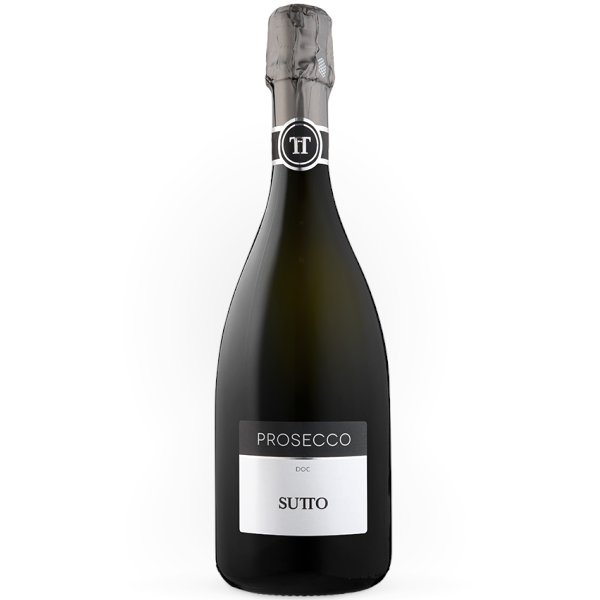
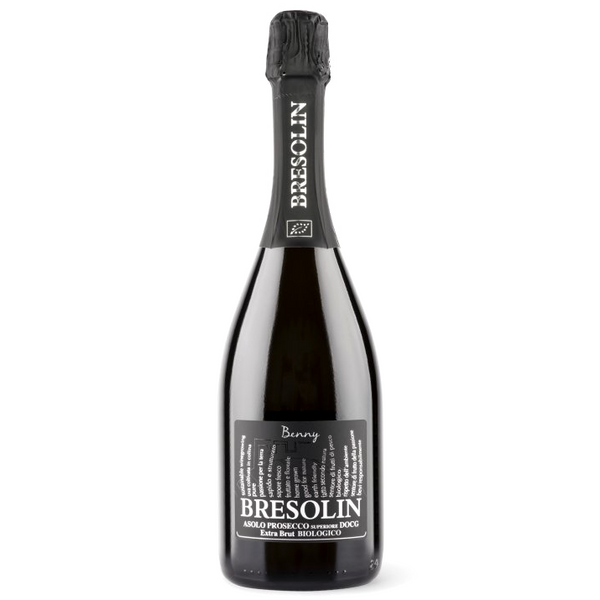
Bresolin - Asolo Prosecco Extra Brut
An organic Prosecco from the smallest regional appellation
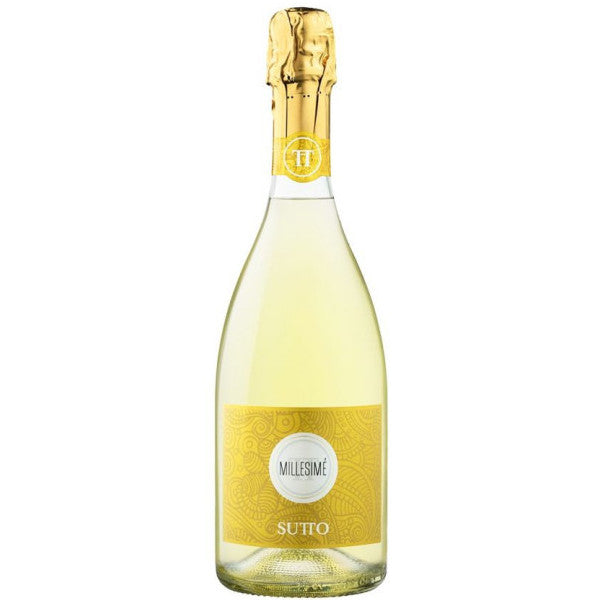
Sutto - Prosecco Spumante Millesimé Extra Dry
A perfect companion for summer aperitifs or for making Spritz!
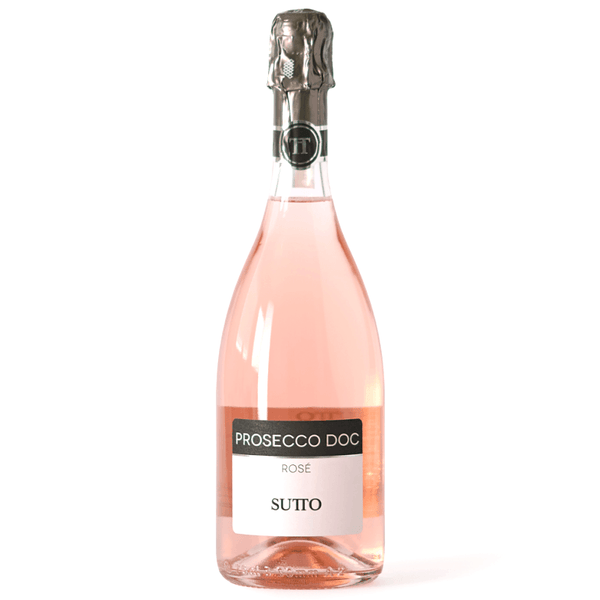
Sutto - Prosecco Brut Rosé Millésimé 2021
A vintage rosé Prosecco made from Pinot noir and Glera
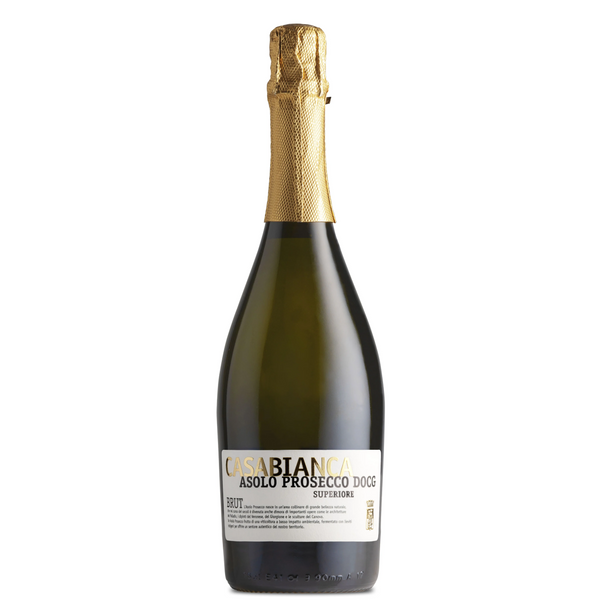
Loredan Gasparini - Casabianca Asolo Prosecco Brut
A Prosecco overflowing with fruit, fine and elegant.

Bresolin - Vino Frizzante Col Fondo
A lively, authentic natural sparkling wine, where freshness, fine bubbles and ageing on the lees reveal the true character of Glera from the Colli Asolani.
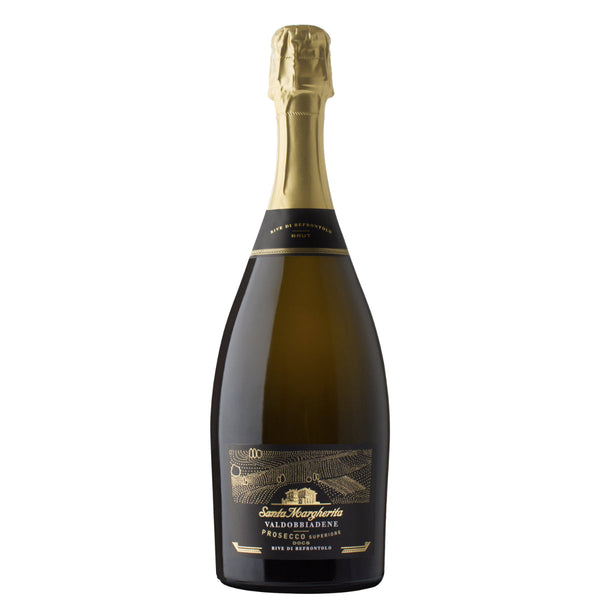
Santa Margherita - Prosecco Rive di Refrontolo Extra-Brut Superiore DOCG 2025
An extra-brut Prosecco from the Rive di Refrontolo: green apple, fine, taut bubbles.

Santa Margherita - Valdobbiadene Prosecco Superiore Brut
A clean, fruity Valdobbiadene Prosecco Superiore Brut, between Reinette apple and peach blossom.

Torresella - Prosecco Extra Dry
A Prosecco Extra Dry from eastern Veneto, with fine bubbles and aromas of citrus and white fruit.

Torresella - Prosecco Rosé Brut
A Prosecco rosé of Glera and Pinot Noir, with fine bubbles and notes of flowers, citrus and red fruit.
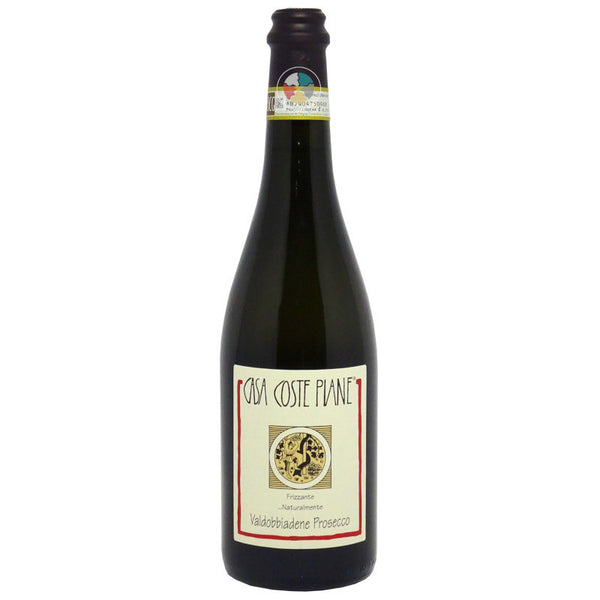
Casa Coste Piane - Valdobbiadene Prosecco
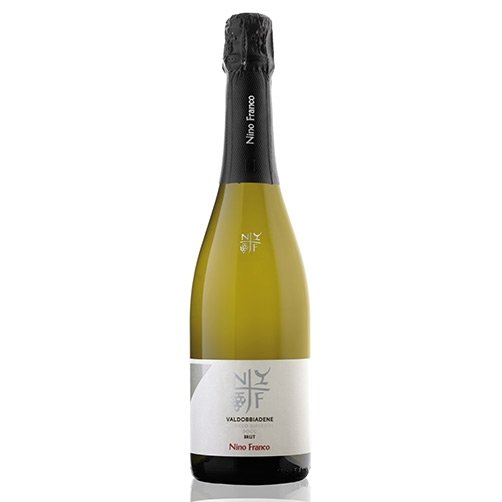
Nino Franco - Valdobbiadene Prosecco Superiore DOCG Brut
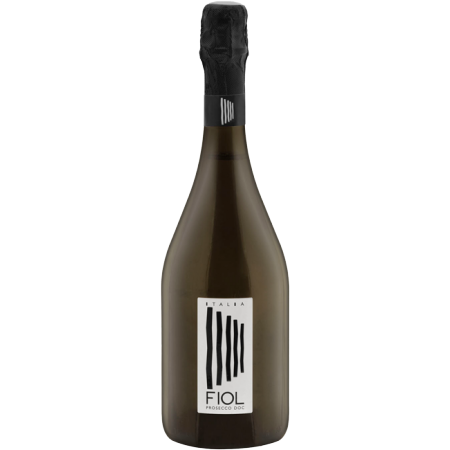
Fiol - Prosecco Extra Dry
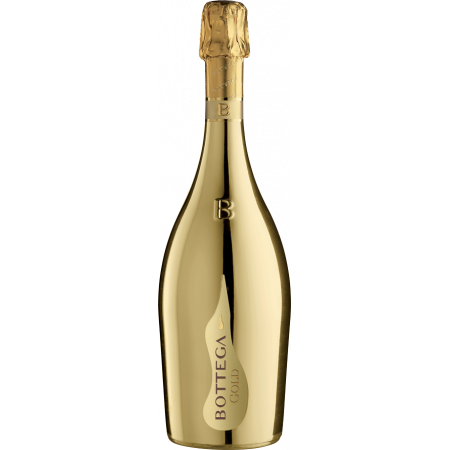
Bottega - Prosecco Gold DOC
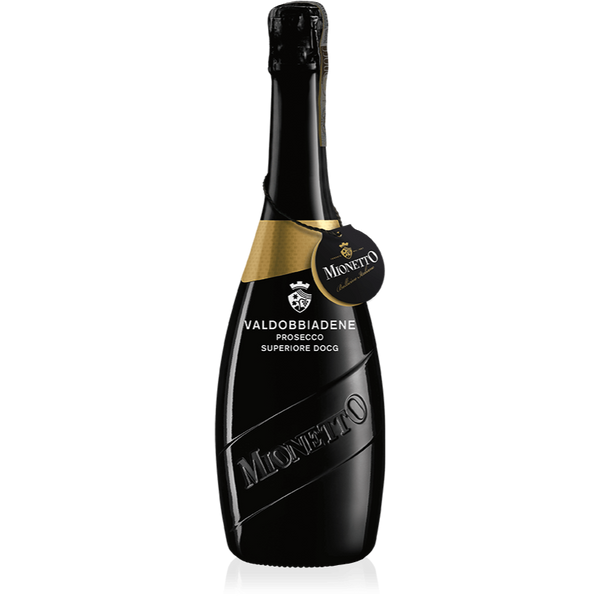
Mionetto - Valdobbiadene Prosecco Superiore DOCG Extra Dry
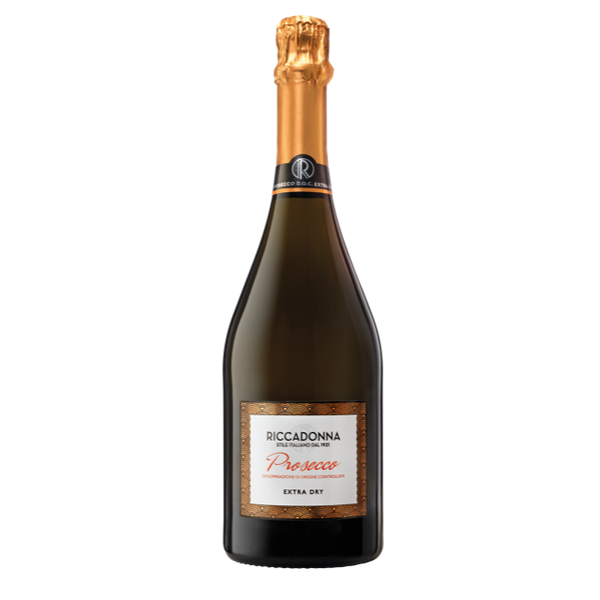
Riccadonna - Prosecco Extra Dry DOC
The twelve cuvées, line by line
Domain, grape varieties, and alcohol content for each bottle. This data comes from the product sheets: they follow the catalog.
| Vintage | Domain | Grape variety | Degree | Price |
|---|---|---|---|---|
| Sutto - Prosecco Spumante Millesimé Extra Dry | Not specified | Not specified | Not specified | 9,90 € |
| Torresella - Prosecco Extra Dry | Not specified | Not specified | Not specified | 11,90 € per bottle, sold as box of 6 |
| Torresella - Prosecco Rosé Brut | Not specified | Not specified | Not specified | 12,60 € per bottle, sold as box of 6 |
| Loredan Gasparini - Casabianca Asolo Prosecco Brut | Not specified | Not specified | Not specified | 13,50 € per bottle, sold as box of 6 |
| Sutto - Prosecco Brut | Not specified | Not specified | Not specified | 13,90 € |
| Sutto - Prosecco Brut Rosé Millésimé - 2021 | Not specified | Not specified | Not specified | 13,90 € |
| Bresolin - Asolo Prosecco Extra Brut | Not specified | Not specified | Not specified | 16,90 € |
| Bresolin - Vino Frizzante Col Fondo | Not specified | Not specified | Not specified | 16,90 € |
| Santa Margherita - Valdobbiadene Prosecco Superiore Brut | Not specified | Not specified | Not specified | 17,40 € per bottle, sold as box of 6 |
| Santa Margherita - Prosecco Rive di Refrontolo Extra-Brut Superiore DOCG - 2025 | Not specified | Not specified | Not specified | 25,60 € per bottle, sold as set of 3 |
| Riccadonna - Prosecco Extra Dry DOC | Not specified | Not specified | Not specified | Sold out |
| Mionetto - Valdobbiadene Prosecco Superiore DOCG Extra Dry | Not specified | Not specified | Not specified | Sold out |
| Fiol - Prosecco Extra Dry | Not specified | Not specified | Not specified | Sold out |
| Nino Franco - Valdobbiadene Prosecco Superiore DOCG Brut | Not specified | Not specified | Not specified | Sold out |
| Casa Coste Piane - Valdobbiadene Prosecco | Not specified | Not specified | Not specified | Sold out |
| Bottega - Prosecco Gold DOC | Not specified | Not specified | Not specified | Sold out |
Current discounts are applied automatically to your cart.
Brut, Extra Dry, Dry: what the label means
Counter-intuitive but key: on a sparkling wine, "Extra Dry" is sweeter than "Brut". This designation refers to the dosage, i.e. the sugar added after disgorgement, and is regulated by European law.
| Please mention | Sugar | What it looks like | When to choose it |
|---|---|---|---|
| Extra Brut | 0 to 6 g/l | Tense, saline, with bubbles and acidity at the forefront, no sugar to round it out. | Pair with oysters or raw fish. For those with a dry palate. |
| Gross | 0 to 12 g/l | The most common compromise: the fruit expresses itself without the sugar being noticeable. | The go-to aperitif, and the only measure that works for any table. |
| Extra Dry the most common in prosecco | 12 to 17 g/L | Perceptible roundness, pear and white flower, a softer finish. | Gourmet aperitifs, Spritz, and anything sweet and savory. |
| Sec or Sec | 17 to 32 g/L | Distinctly sweet despite its name, which comes from an ancient usage. | Fruit desserts. Rare in our selections. |
Thresholds set by the European regulation on sparkling wines. The proseccos on this page cover the first three lines.
DOC, DOCG, Rive: Where What You Drink Grows
The word prosecco now refers to an appellation, rather than a grape variety: Glera was renamed in 2009 precisely to protect the name. What distinguishes the wines is the production area and its slope.
| Denomination | Where | What it changes |
|---|---|---|
| Prosecco DOC the broad appellation | Venetian and Friulian plain, nine provinces. | Large volumes, high yields, direct fruit. It's the entry-level, and it can be very well made. |
| Conegliano Valdobbiadene Prosecco Superiore DOCG | Steep hills between Conegliano and Valdobbiadene, a World Heritage Site. | Hand-harvested on slopes no machine can reach. More intensity, more aromatic precision. |
| Asolo Prosecco DOCG | Asolo hills, to the west, over a significantly smaller area. | Confidential production, often from family estates. Firmer style, less demonstrative. |
| Bank Additional mention of the DOCG | A specific commune or hamlet within the DOCG. | The equivalent of a single vineyard: mandatory manual harvesting and vintage mentioned. The top of the hierarchy. |
Glera must make up at least 85% of the blend, with the remainder limited to a few authorised local and international grape varieties.
Which prosecco for which occasion?
The tables give the theory. Here are the bottles, and only those that can be shipped today.
For everyday aperitifs
A fruity Brut with fine bubbles, the dosage that doesn't become tiring by the second glass. The default bottle.
Sutto Prosecco Brut · €13.90For a Spritz
A confident Extra Dry, whose roundness stands up to the bitterness of Aperol without being overwhelmed.
Sutto Millesimato Sparkling Wine · €9.90Time to eat
An organic Extra Brut from Asolo, tense enough to pair with shellfish or raw fish.
Bresolin Asolo Extra Brut · €16.90To change colour
The vintage rosé, half Glera and half Pinot Noir, a category only permitted since 2020.
Sutto Brut Rosé · €13.90To receive
An Asolo brimming with fruit, available in cases of six: enough to get through an aperitif without rationing.
Loredan Gasparini, case of 6 · €81For a gift
A Rive de Refrontolo Extra Brut, the highest quality tier, from a single vineyard and a single vintage. In a lot of three.
Santa Margherita Rive, lot of 3 · €76.80See other chat bubbles
Champagne, crémant, cava, natural sparkling wines: the full range of sparkling wines.
All our sparkling wines
Prosecco has a bad reputation, and it's half-deserved
The global success of the appellation has led to oceans of sweet, uninspired bottles, sold solely on the word printed on them. This is the prosecco we know, and it justifies the disdain it sometimes receives.
Then there are the hills. On the slopes of Conegliano Valdobbiadene, harvesting is done by hand because no machine can stand there, and the wines produced have a tension, a noble bitterness in the finish, a precision that no plain wine can achieve. These are two different products under the same label.
What we rule out
The cuvées where sugar is used to mask a lack of substance, and coarse bubbles that disappear from the glass in thirty seconds.
A good prosecco has nothing to hide behind its dosage.
The Wine Wanderer Team
What we're asked about Prosecco
What is the difference between Prosecco and Champagne?
The method and the grape variety. Prosecco gets its fizz in closed tanks, over a few weeks, from Glera grapes: the bubbles are larger, the fruit remains fresh, and the price is low. Champagne ferments a second time in the bottle for months or years, using Chardonnay, Pinot Noir, and Meunier grapes, which gives it the brioche and hazelnut notes that Prosecco does not have and does not seek.
Brut or Extra Dry: which is drier?
Brut. Despite its name, Extra Dry is sweeter: 12 to 17g of sugar per litre, compared to a maximum of 12g for a Brut. This term refers to the dosage, not the impression of dryness, and its use dates back to a time when sparkling wines were much sweeter than they are today.
DOC or DOCG: does it really make a difference?
Yes. The DOC covers the plain over nine provinces, with high yields. The DOCGs, Conegliano Valdobbiadene and Asolo, are hilly areas where harvesting is done by hand. The wine gains tension and precision there. Expect a difference of a few euros for a real step up in quality.
Which Prosecco to choose for a Spritz?
An Extra Dry, whose roundness balances the bitterness of the Aperol, and an entry-level cuvée rather than a hillside DOCG: the nuances of a great prosecco completely disappear once the cocktail is assembled.
At what temperature should prosecco be served?
Between 6 and 8 °C, which is about two hours in the refrigerator, or twenty minutes in a bucket filled with water and ice. Colder, the fruit disappears; warmer, the sugar stands out and the bubbles become heavy.
Can prosecco be kept?
Not much, and that's intentional. It should be drunk within two years, for its fruitiness, and the vintages on this page are indicated as being for consumption between one and five years. Unlike Champagne, the closed tank process does not build anything that would benefit from aging.
Is prosecco a grape variety?
Not since 2009. The grape variety is now called Glera, and the name prosecco has been reserved for the appellation, precisely to prevent it from being claimed outside the area. It must represent at least 85% of the blend.
Does rosé prosecco actually exist?
Officially since 2020. It combines Glera with a proportion of red-vinified Pinot Noir, must be vintage, and spend more time in tanks than the white version. Our Sutto Brut Rosé is an example.