
Australian wines: Shiraz from the warm South and taut whites
130 bottles, from warm-South Shiraz to cool-climate PinotOne and the same grape variety, two wines that barely resemble each other: that is the first lesson of this wine country. North of Adelaide, the heat gives a broad, velvety, chocolatey red. Two hours from Melbourne, the same vine gives a tight, peppery wine, almost Rhône-like. Between the two lies a whole continent of styles.
The range follows that dividing line. The sun-baked reds first, with Torbreck, Rockford and Henschke. Then the cold zones, Yarra, Mornington and Tasmania, where Pinot Noir and Chardonnay take over. The Hunter Valley holds its own place apart, with its tank-aged Semillon.
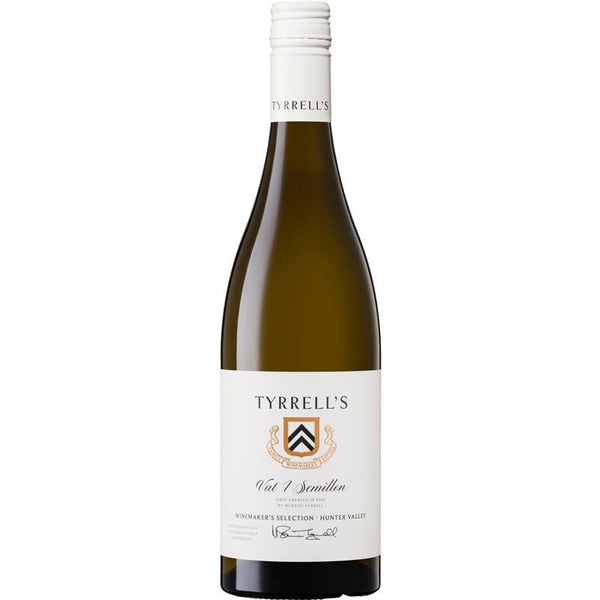
Tyrrell's - Winemakers Selection Vat 1 Semillon 2018
An iconic Semillon from the Hunter Valley, of great purity, built for aging and aromatic complexity.
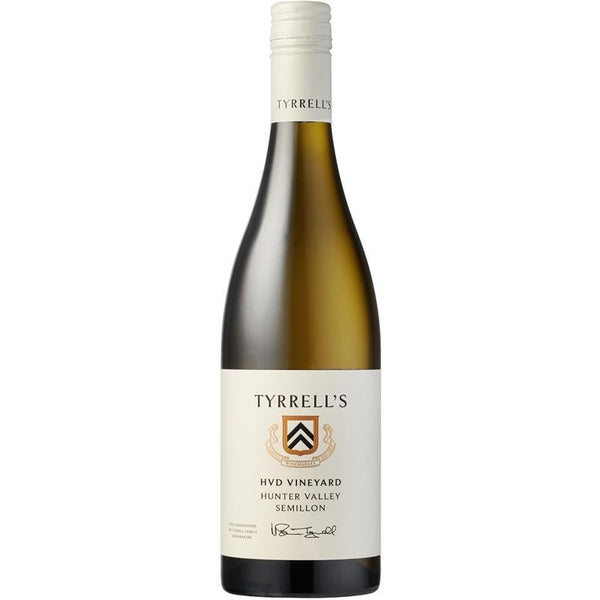
Tyrrell's - Hunter Valley Semillon 2022
A precise and crystalline Semillon from Hunter Valley, combining crisp freshness and great aging potential.

Tyrrell's - Winemakers Selection Vat 8 Shiraz Cabernet 2021
An iconic blend from the Hunter Valley, where the richness of Shiraz meets the elegance of Cabernet in a structured and harmonious Australian red.
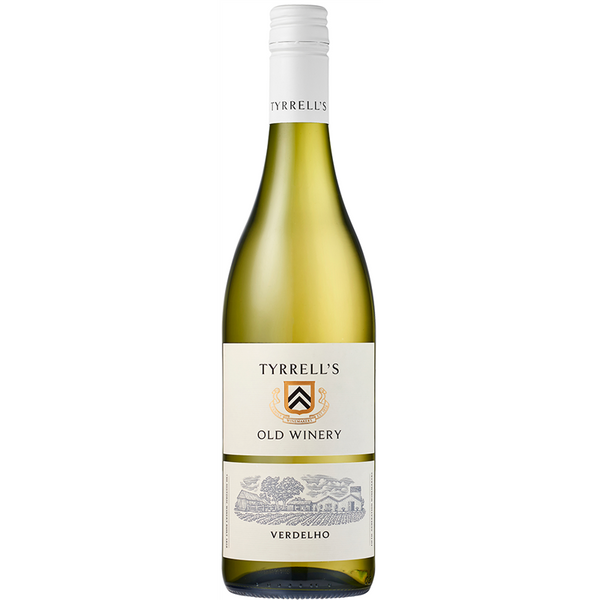
Tyrrell's - Old Winery Verdelho 2022
A fresh and aromatic Australian Verdelho, combining fruity intensity and great drinkability.

Tyrrell's - Single Vineyard Old Hillside Shiraz 2018
A Shiraz from Hunter Valley combining depth of fruit, freshness and spicy elegance.

Vasse Felix - Premier Cabernet Sauvignon 2020
A Cabernet Sauvignon from Margaret River combining aromatic precision, firm structure and maritime freshness.
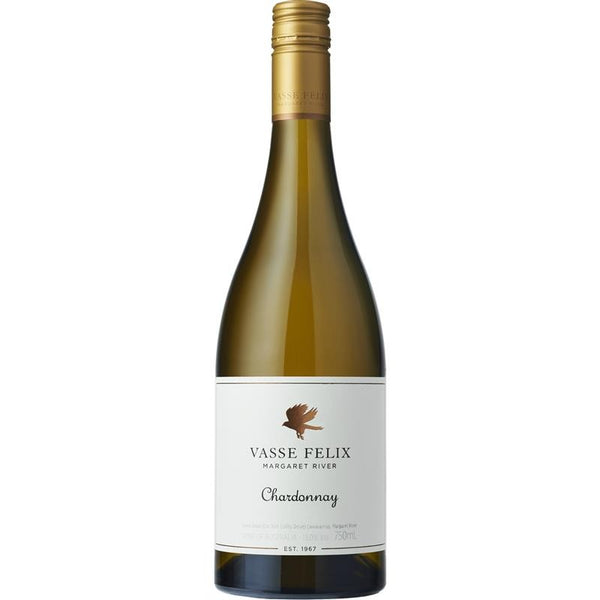
Vasse Felix - Premier Chardonnay 2022
A precise and elegant Australian maritime Chardonnay, where freshness, finesse and complexity are harmoniously balanced.
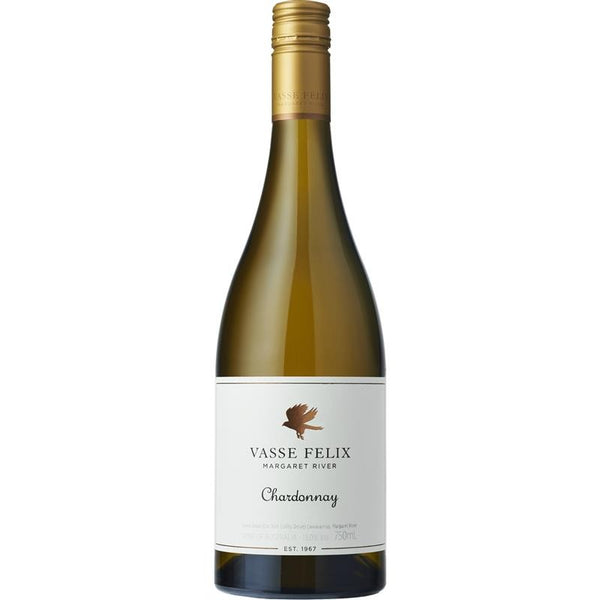
Vasse Felix - Filius Chardonnay 2021
A precise and energetic Australian Chardonnay, where freshness meets a subtle touch of oak.
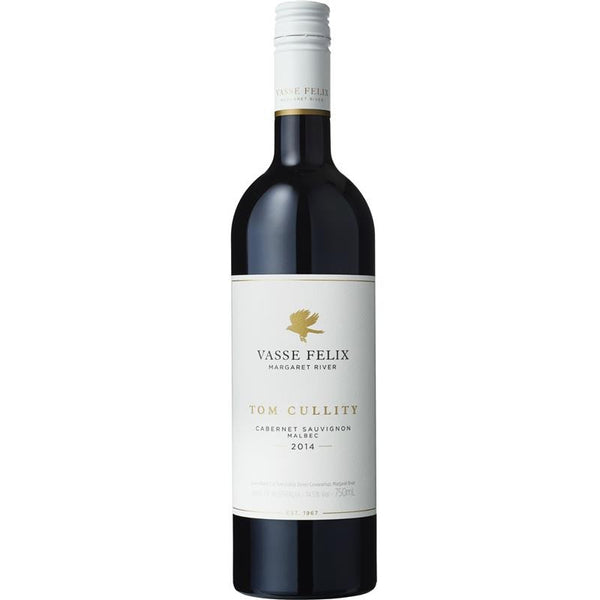
Vasse Felix - Tom Cullity 2018
A great red wine from Margaret River, combining depth, finesse and maritime tension.

Vasse Felix - Filius Cabernet Sauvignon 2020
A precise and structured Margaret River cabernet, combining maritime freshness and fruit intensity.
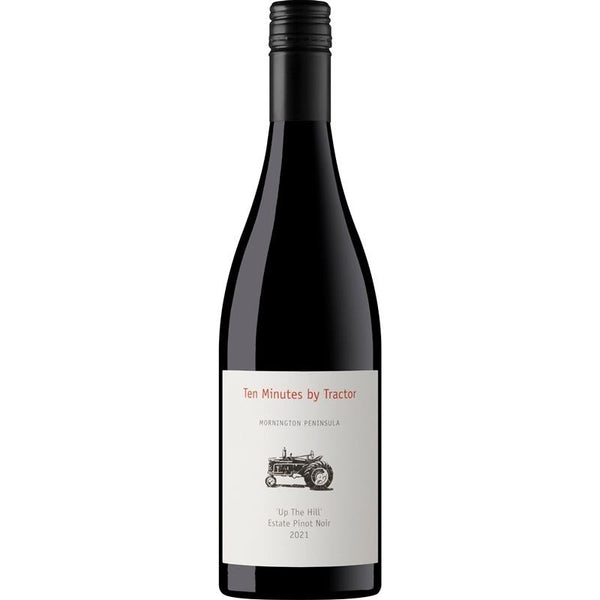
Ten Minutes by Tractor - Up the Hill Pinot Noir 2021
A precise and vibrant high-altitude Pinot Noir, which finely expresses the freshness and elegance of the Mornington peninsula.
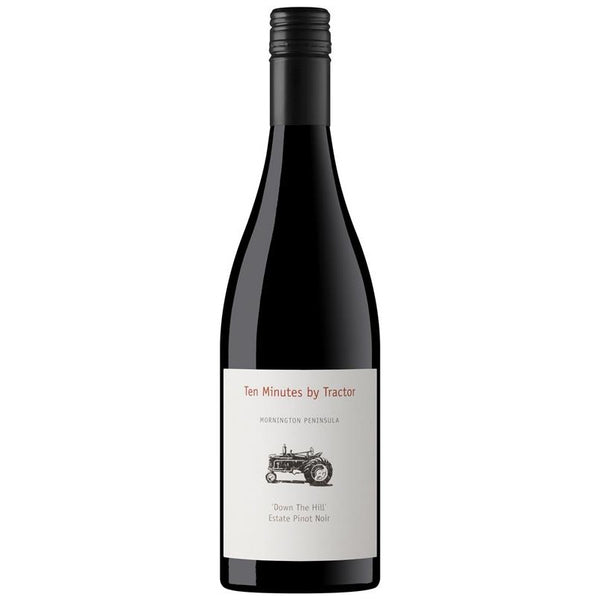
Ten Minutes by Tractor - Down the Hill Pinot Noir 2021
A Pinot Noir from a cool climate, precise and vibrant, which combines elegance of fruit and finesse of tannins.
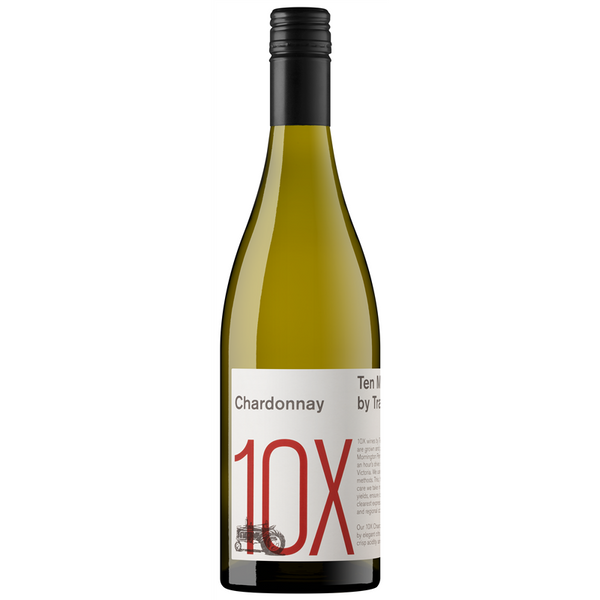
Ten Minutes by Tractor - 10X Chardonnay 2022
An Australian Chardonnay from a cool climate, precise and saline, where the finesse of the fruit meets a beautiful depth of texture.

Pewsey Vale Vineyard - The Contours 10 Year Museum Release Riesling 2012
A precise and mineral Australian high-altitude Riesling, patiently aged to reveal the complexity of its cool Eden Valley terroir.

Parker Coonawarra Estate - Terra Rossa Cabernet Sauvignon 2021
A Cabernet Sauvignon from Coonawarra that combines intensity of black fruits, freshness and assertive structure.
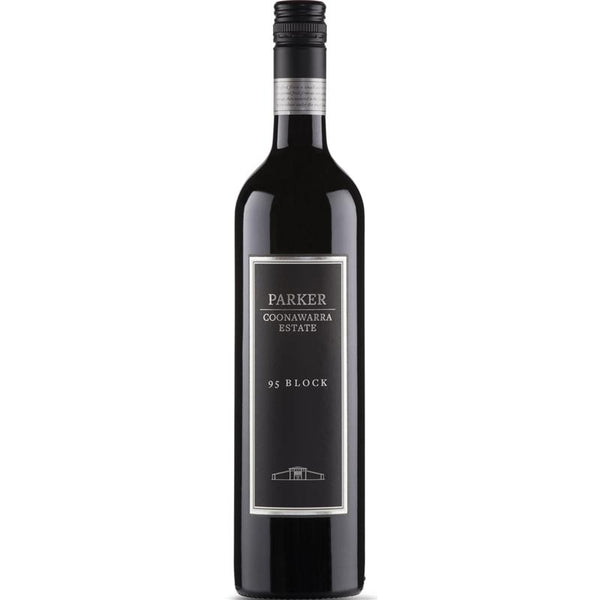
Parker Coonawarra Estate - 95 Block Cabernet Sauvignon 2020
A precise and structured Coonawarra cabernet, a pure reflection of the Australian terra rossa.

Parker Coonawarra Estate - First Growth Cabernet Sauvignon 2019
A full-bodied and precise Cabernet Sauvignon from Coonawarra, where concentration is combined with a remarkably balanced freshness.
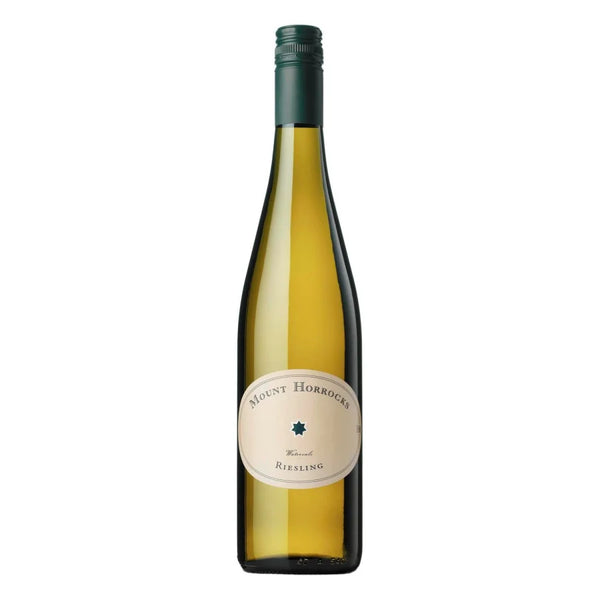
Mount Horrocks - Watervale Riesling 2022
A precise and crystalline Riesling from Watervale, where the freshness of citrus fruits meets a marked minerality.

Innocent Bystander - Chardonnay 2021
An Australian Chardonnay from a cool climate, combining precise fruit, vibrant freshness and measured elegance.
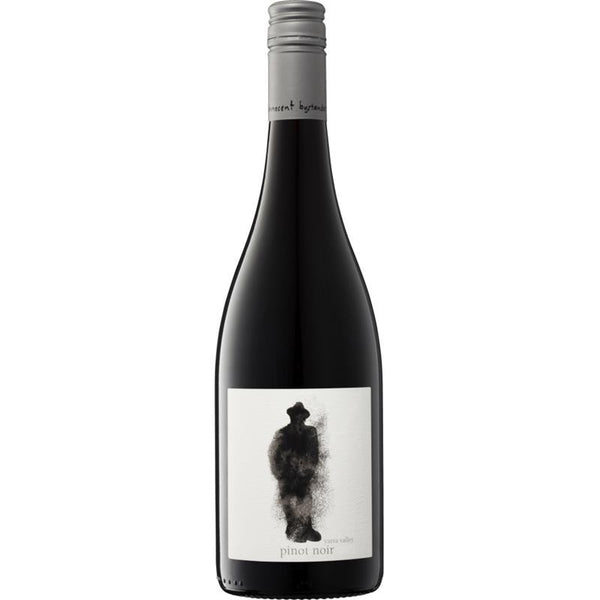
Innocent Bystander - Pinot Noir 2020
An elegant and juicy Pinot Noir from Yarra Valley, driven by freshness and aromatic finesse.
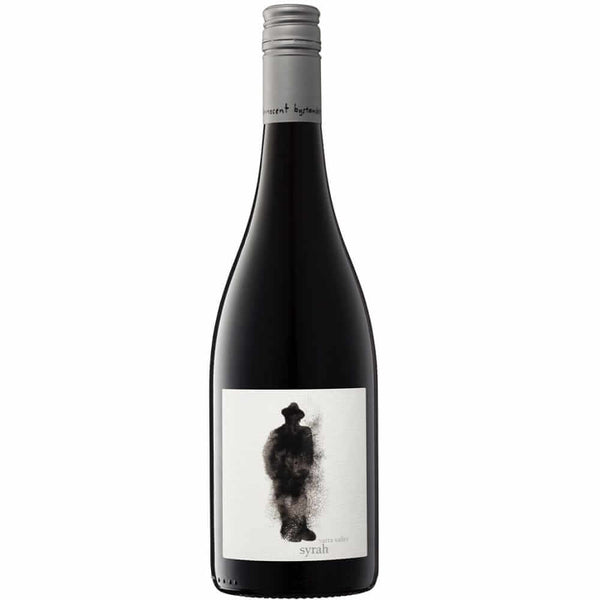
Innocent Bystander - Syrah 2019
A juicy and spicy Australian Syrah, carried by the freshness of the Yarra Valley.
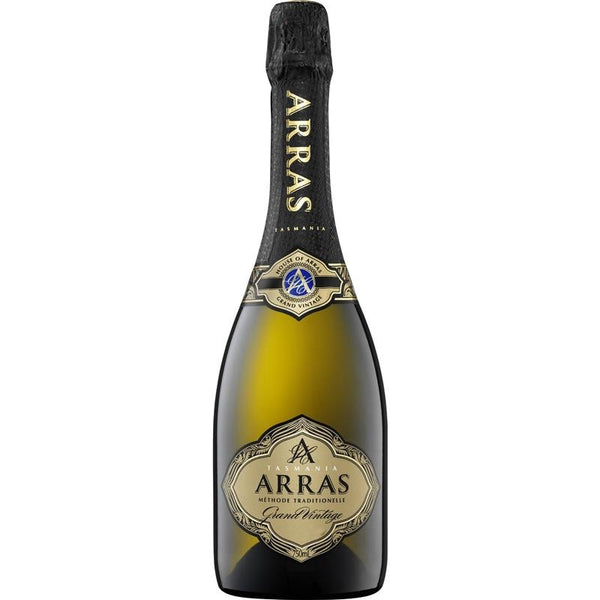
House of Arras - Grand Vintage 2013
A great sparkling wine from Tasmania, combining maritime freshness, complexity and depth.

House of Arras - A by Arras Premium Cuvée
A precise and elegant Tasmanian sparkling wine, combining maritime freshness and the complexity of a great vintage.
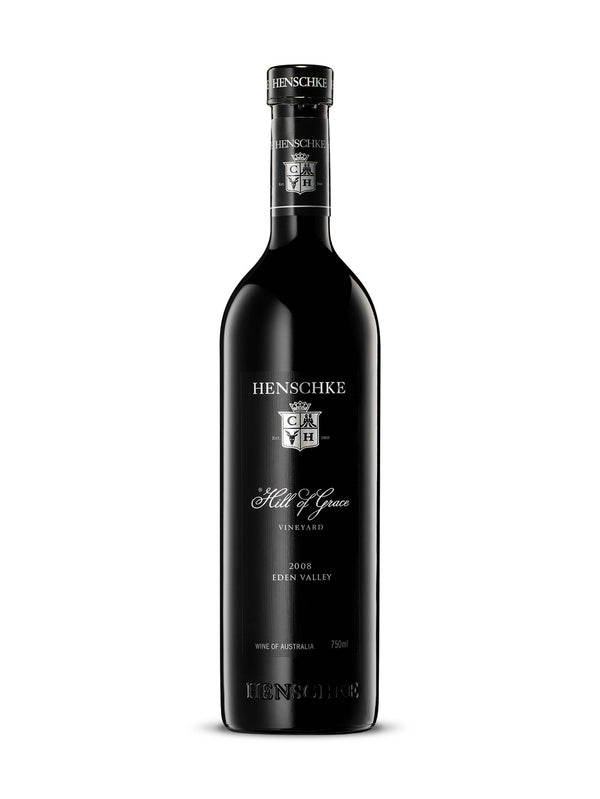
Henschke - Hill of Grace Museum Release 2008
An icon of the Eden Valley, combining aromatic depth, elegance and great aging potential.
The ways into the Australian range
Eight ways into this wine country, from the first glass to the bottle for ageing.
Tasting the style for the price of a lunch
An easy-drinking Shiraz, juicy black fruit and sweet spice, from the Murray. The simplest way to discover the Australian taste.
Pete's Pure Shiraz 2021 · €11.90 per bottle, sold individuallyOld-vine Shiraz
A blend of old Barossa plots, ungrafted. Candied blackberry, liquorice and a velvet tannin, for a rib of beef.
Torbreck Old Vines 2021 · €20.90 per bottle, by the case of 6Understand cool-climate Shiraz
Same grape, another planet: black pepper, violet and a tight palate. The ideal counterpoint to a bottle from the Barossa, to taste side by side.
Innocent Bystander Syrah 2019 · €22.10 per bottle, by the case of 6The white that ages in tank
Lime, chalk and barely 11% alcohol: Hunter Semillon is drunk young with oysters, or kept ten years for the honey.
Tyrrell's Hunter Valley Semillon 2022 · €22.10 per bottle, by the case of 6A Cabernet between two oceans
Margaret River in its accessible version: blackcurrant, graphite and maritime freshness, with the precision of a Bordeaux blend. Ideal with a leg of lamb.
Vasse Felix Filius Cabernet Sauvignon 2020 · €22.10 per bottle, by the case of 6A half-bottle to end the meal
Rutherglen Muscat aged in a solera: caramel, fig and orange peel, with rare density. A few centilitres are enough with a chocolate dessert.
Chambers Rosewood Old Vine Muscat · €29 per 37.5 cl bottle, sold individuallyA great bottle to put on the table
A legendary Eden Valley plot planted in 1912, vinified by the same family for six generations. A Shiraz for ageing, deep and straight.
Henschke Mount Edelstone Shiraz 2019 · €270 per bottle, sold individuallyCross to the other shore
Marlborough Sauvignon, Central Otago Pinot Noir, Martinborough Chardonnay: the New Zealand neighbour plays an entirely fresh tune.
Section page · New Zealand
Where Australian vines grow
The vine occupies a thin strip along the south of the continent, where the ocean, the altitude or the latitude bring the freshness. A few kilometres are enough to change style: the distance from the sea and the height of the hillsides do almost everything here.
| Region | The climate | King grape variety | The style |
|---|---|---|---|
| Barossa and Eden ValleyA warm valley, high-altitude hillsides above | Hot and dry, cool nights in Eden | Shiraz | Jammy black fruit, velvety tannin, lively Riesling at altitude |
| McLaren ValeGulf St Vincent, a daily sea breeze | Mediterranean, tempered by the sea | Shiraz and Grenache | Ripe, supple fruit, sweet spice, keen prices |
| Clare Valley | Inland hillsides, wide day-night temperature range | Riesling | Dry, lemony white, cut out for twenty years of ageing |
| Coonawarra | A strip of red earth over limestone, cool climate | Cabernet Sauvignon | Blackcurrant, mint and tobacco leaf, straight tannin |
| Hunter ValleySubtropical latitude, early harvest | Hot and humid, protective cloud cover | Sémillon | A white low in alcohol, aged in tank, superb after ten years |
| Yarra ValleyHills east of Melbourne | Cool, continental on the heights | Pinot Noir and Chardonnay | Fragrant red, taut Chardonnay, peppery Shiraz |
| Mornington Peninsula A peninsula between two bays | Maritime and windy | Pinot Noir | Fresh cherry, fine tannin, seaside salinity |
| Margaret RiverThe south-west tip, between two oceans | Mild maritime, close to Bordeaux | Cabernet Sauvignon | Precise Bordeaux blend, finely chiselled Chardonnay |
| Tasmania An island south of the Bass Strait | Cold, the coolest in the country | Chardonnay and Pinot Noir | Traditional-method sparkling wines, taut acidity |
Rutherglen, in northern Victoria, holds a category of its own: its Muscats, aged in solera for decades, rank among the great end-of-meal wines, to be found on the sweet wines page. For the neighbouring Pacific side, Marlborough Sauvignon and Central Otago Pinot, follow the New Zealand page.
Warm-climate Shiraz, cool-climate Shiraz
Shiraz and syrah name the same plant. Under the Barossa sun, it gives a broad, candied wine. On the cold hillsides of the Yarra or the Grampians, it finds again the pepper and the tension of a northern Rhône syrah. Here are the markers for choosing your camp.
| The marker | Warm climate | Cool climate |
|---|---|---|
| The regions | Barossa, McLaren Vale, HeathcoteLow-lying southern valleys, dry summer | Yarra, Grampians, Adelaide HillsHigh-altitude hillsides, cold nights |
| The fruit | Jammy blackberry, black plum, fig, chocolate | Fresh blackberry, raspberry, redcurrant, violet |
| The spice | Liquorice, leather, clove | Ground black pepper, olive, twig |
| The palate | Broad and velvety, generous alcohol | Tight and nervy, saline finish |
| Livestock farming | American oak, vanilla and coconut | French oak, often whole bunches |
| Dinner's ready | Rib of beef, braised lamb, smoked meats | Roast duck, peppery charcuterie, ratatouille |
| Serving | Around 17 °C, an hour in a decanter | Around 15 °C, a brief decant |
Three mentions help you read the label. The GI, Geographical Indication, designates the area of origin and guarantees that at least 85% of the grapes come from it. Single vineyard announces a single plot, often the estate's best. Old vine refers to the Barossa charter, which reserves the term for vines over thirty-five years old. The whole grape variety, here and in the Rhône, can be explored from the Syrah page.
Why the Barossa still has vines from another century
Phylloxera, which devoured Europe's vineyards from 1863 onwards, never reached South Australia. A strict quarantine, still in force between the states, protected the Barossa, the Clare Valley and McLaren Vale. The result: Shiraz and Grenache planted between 1840 and 1870 still grow there on their own roots, ungrafted, where almost all the rest of the world grafts onto American rootstock.
These vines give little, but what they give is dense. The Barossa old vine charter grades the vocabulary: old vine beyond thirty-five years, survivor vine at seventy, centenarian at a hundred, ancestor vine at a hundred and twenty-five. One word on the label, and you know what you are pouring.
How do you choose
We taste every cuvée before adding it to the catalogue, and we look for two things in this section. Balance first: a sun-drenched red must keep a fresh palate despite its alcohol. Then readability: the oak stays discreet, the fruit stays in the foreground. A bottle that relies on power alone stays in the cloakroom.
The Wine Wanderer Team
What people ask us about Australian wines
Shiraz or Syrah, what is the difference?
None in botanical terms: the word shiraz is the Australian name for Rhône syrah. It generally announces a riper, rounder style, while syrah signals a search for freshness and pepper, including on cool-climate Australian labels. Both styles are gathered on the Syrah page.
Why are these wines often sold in sets or by the case?
Australian estates ship in full cases from the other side of the world, and keeping that packaging holds the price per bottle down. The price shown is always the bottle price, with the sales format right beside it. Part of the range is still available singly, notably from Henschke, Rockford and Shaw & Smith.
Which region to choose for a first purchase?
For a generous red, start from the Barossa or from McLaren Vale. For a fine, fresh red, take the Yarra Valley. For a white, two directions: the Semillon of the Hunter Valley, light and lemony, or the chiselled Chardonnay of Margaret River. Count on around €20 a bottle for a serious first approach in each of these regions.
Do all Australian wines come in at 15% alcohol?
The reds of the warm South often come in at 14 to 15% alcohol, carried by very ripe grapes. The cool regions give distinctly lighter wines, and Hunter Valley Semillon drops to around 11% thanks to an early harvest. The continent's range therefore runs from light white to red for a hearty meal.
What is an ungrafted wine, and why in Australia?
An ungrafted vine grows on its own roots, instead of being grafted onto a phylloxera-resistant rootstock. South Australia, spared by the insect and protected by a strict quarantine, keeps plots planted in the nineteenth century. These vines give tiny yields and wines of a remarkable density of fruit.
How good is Hunter Valley Sémillon?
It is one of the most singular whites in the world. Harvested early, vinified in stainless-steel tanks, it reaches the glass lemony, almost austere, with a very low alcohol. After eight to ten years in bottle, it develops notes of toast, honey and wax, as though it had seen wood. See the Semillon page.
Does Margaret River Cabernet resemble a Bordeaux?
The comparison rests on climate: Margaret River enjoys a maritime influence very close to that of the Médoc, with more regular summers. The wine keeps the blackcurrant, the graphite and the straight structure of the grape variety, with cleaner fruit and a suppler tannin in its youth. The Cabernet Sauvignon page gathers the grape variety together.
Where can you find Australian Pinot Noir?
Three zones stand out, all of them cool: the Yarra Valley east of Melbourne, the Mornington Peninsula between two bays, and Tasmania. What the warm South brings in power, these wines gain in perfume and tension. Serve them at around 15 °C. The Pinot Noir page brings together the worldwide selection.
How long should you keep an Australian bottle?
An entry-level Shiraz is for drinking within three to five years. An old-vine cru from the Barossa or a Cabernet from Coonawarra will hold fifteen to twenty years. Clare Valley Riesling easily crosses two decades, and so does Hunter Semillon. The Muscats of Rutherglen keep for several months once opened.
How does Australia compare with its New Zealand neighbour?
Australia plays across the whole span of the thermometer, from the sun-baked reds of the Barossa to the ice-cold bubbles of Tasmania. New Zealand, narrower and more oceanic, stays on the cool side with Sauvignon Blanc and Pinot Noir. The two countries complement each other well: see the New Zealand page.