
Viognier: the apricot white back from oblivion
14 bottles, from the Cape to the Limarí Valley and the slopes of MendozaA white that smells of ripe apricot, white peach and acacia blossom, with a broad and unctuous palate: that is the signature you come here for. The acidity stays discreet, the texture takes over, and it is the harvest date that decides everything, a few days early keeping the brightness of the fruit.
The world tour sets out from the granite terraces of Condrieu, where the grape variety nearly disappeared in the mid-sixties, passes through the South African valley of Hemel-en-Aarde, reaches the Chilean valley of Limarí, then climbs to Mendoza.
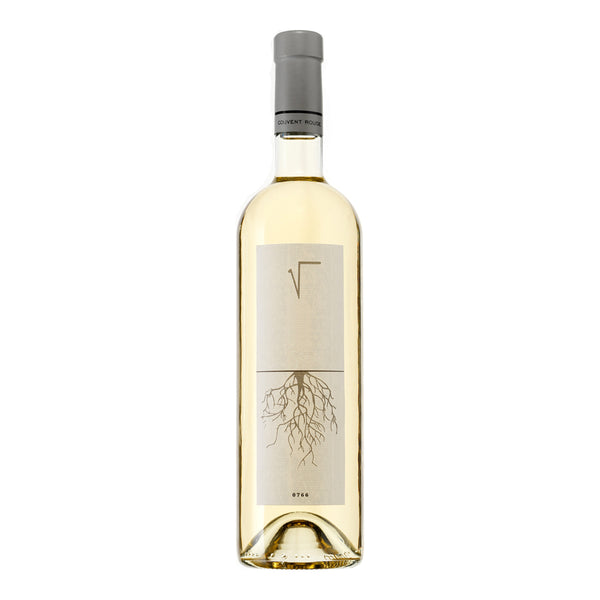
Couvent Rouge - Racine Blanc 2022
Un viognier libanais d’altitude, floral et généreux. La fraîcheur de la Bekaa rencontre une fine touche boisée.
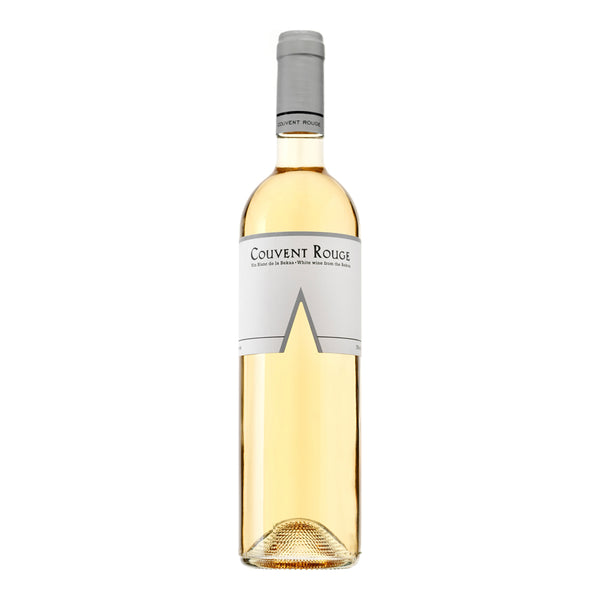
Couvent Rouge - Couvent Blanc 2024
Un blanc libanais frais et floral, porté par l’altitude de la Bekaa.
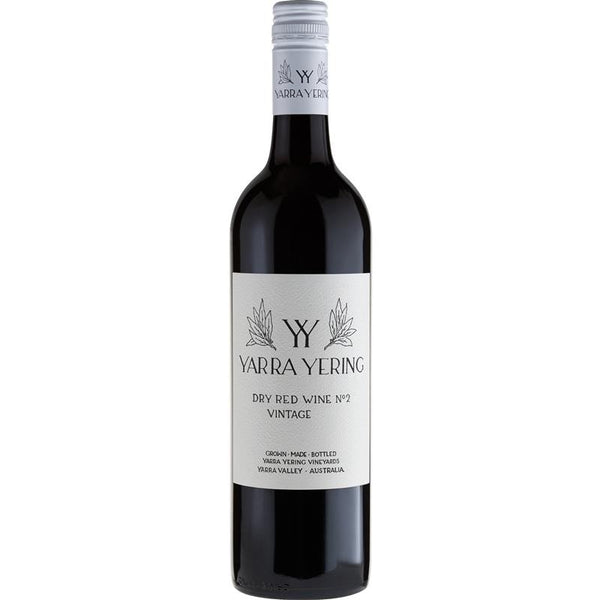
Yarra Yering - Dry Red N°2 2016
A Yarra Valley red, at once fragrant, spicy and deeply savoury.
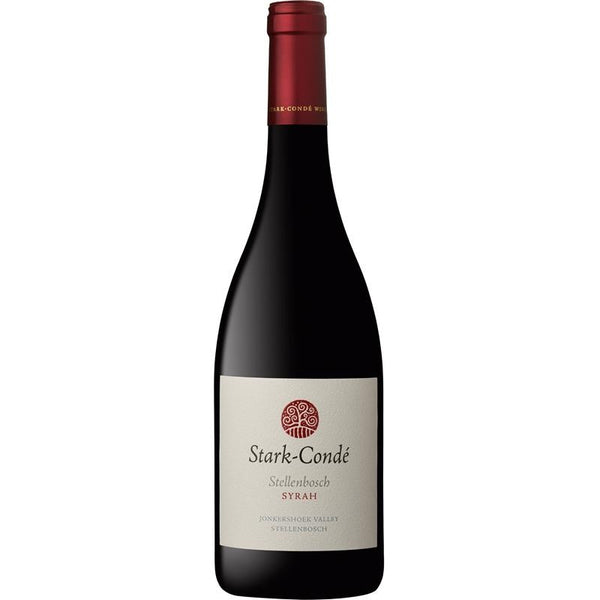
Stark-Conde - Stellenbosch Syrah 2022
A Jonkershoek Syrah that is floral, spicy and deeply mineral. The elegance of Stellenbosch in a sleek style.
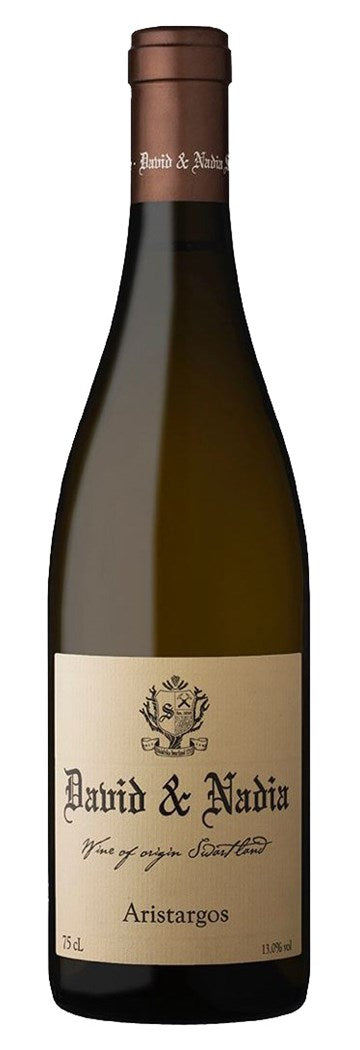
David & Nadia - Aristargos 2022
A great white from the Swartland, textured and deeply saline. Rich fruit meets remarkable tension.

Creation - Viognier 2022
Cool-climate Viognier, apricot and white flowers on an unctuous palate.
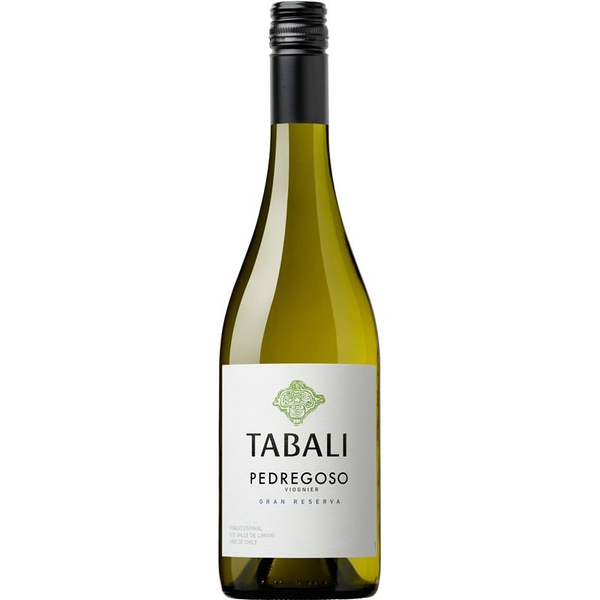
Tabalí - Pedregoso Gran Reserva Viognier 2022
An aromatic and mineral Viognier

Atamisque - Serbal Viognier 2024
A beautiful high-altitude Viognier full of freshness and deliciousness!
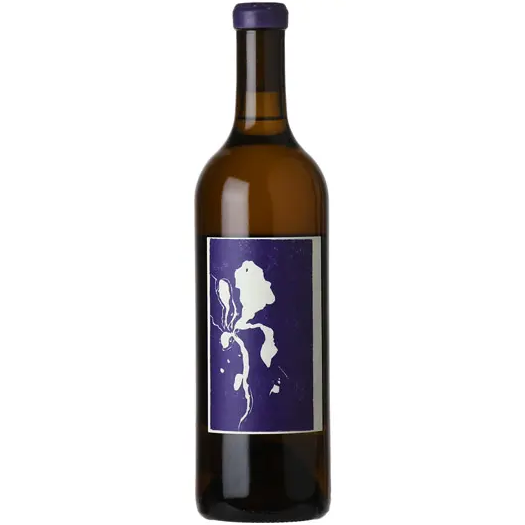
Sine Qua Non - Distenta III White 2021
An exceptional white wine that unfolds an aromatic richness, combining intensity, silky texture and an elegance of rare precision
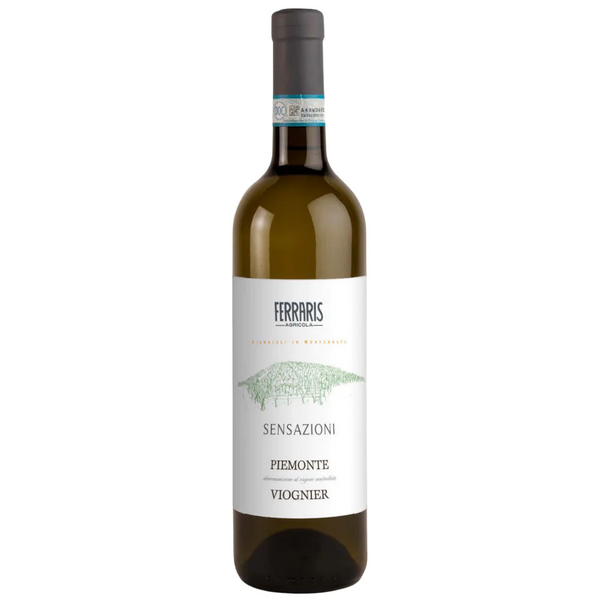
Ferraris - "Sensazione" Viognier 2021
A Viognier from Piedmont, focused on freshness and elegance

Domaine de Tournon - Mathilda blanc 2019
A Viognier and Marsanne blend, aromatic, fresh and crunchy

Riebeek Cellars & Ryno Booysen - Percheron Blanc 2021
A vibrant and aromatic white wine for immediate pleasure
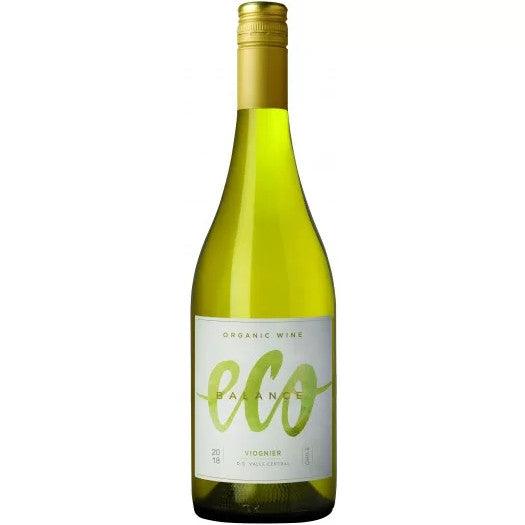
Emiliana - Ecobalance Viognier 2019
A biodynamic Viognier, made with pure respect for the environment

Domaine des Tourelles - Blanc 2021
Incredible freshness, a creamy juice with rich floral and exotic scents.
The great terroirs of Viognier
This grape needs heat to develop its perfume, and cool nights to keep its line. Everywhere, the harvest date makes the style: picked early, it plays on blossom and citrus; picked late, it turns to candied apricot and gains volume.
| Country and region | Climate and approach | The style in the glass | Where to find it here |
|---|---|---|---|
| Condrieu and Château-GrilletFrance, the grape variety's birthplace | Terraces of decomposed granite, full south-facing exposure, low yields | Candied apricot, violet, a broad, rich palate, warm finish | French winesThe country's section |
| Côte-RôtieFrance, alongside Syrah | A small proportion harvested and fermented with the black grapes | Fixes the colour of the red, adds violet and apricot, softens the tannin | Syrah and ShirazThe grape variety's section |
| Heaven and EarthSouth Africa, Cape South Coast | A valley open to the bay, constant sea breeze, schist soils | White peach, acacia blossom, unctuous flesh held by freshness | Creation Viognier€19.90 per bottle, by the case of 6 |
| Limarí ValleyChile, at the gates of the Atacama | Alluvial terrace of clay over limestone, meltwater from the Andes | Apricot, pear, ripe apple, chalky minerality and a clean finish | Tabalí Pedregoso Gran Reserva Viognier€14 per bottle, sold individually |
| High-altitude MendozaArgentina, San José area | Vineyard at 1,300 metres, cold nights, hand harvesting | Stone fruit and white flowers, silky texture, lemony acidity | Atamisque Serbal Viognier€15.50 per bottle, by the case of 6 |
| Central Coast and CaliforniaUnited States, from Santa Barbara to Paso Robles | Pacific fog in the morning, hot days, barrel ageing common | Opulent style, candied yellow fruit, often married to the other Rhône varieties | Wines from the United StatesThe country's section |
| Victoria and New South WalesAustralia, Rhône heritage | Co-fermentation with Shiraz, taken straight from the Côte-Rôtie model | Peach perfume on the whites, suppleness and brightness on the reds | Australian winesThe country's section |
| Bekaa Valley, Lebanon | High plateau, dry summers, cool nights, organic farming widespread | Often the majority grape in white blends: jasmine, spiced peach, honey | Wines of the worldThe range of far-flung vineyards |
The three countries that carry this range can also be visited in full: the wines of South Africa, including the Hemel-en-Aarde valley, the wines of Chile and the wines of Argentina. The companionship with Syrah can be read in every red of Côte-Rôtie.
Temperature, decanting and food pairings
This white is better served a little less cold than a Sauvignon: a few degrees more release the apricot and acacia blossom. A wide glass, rather than a flute, leaves room for the perfume and the flesh.
| The style of the bottle | Temperature | Decanting | The dishes that answer |
|---|---|---|---|
| Young cuvée aged in stainless-steel tank | Ten to eleven degrees | Serve straight away | Oysters au gratin, sautéed prawns, taramasalata, hummus |
| Cool-climate or maritime Viognier | Eleven degrees | Open a quarter of an hour ahead | Pan-seared scallops, roast sea bass with fennel, ceviche |
| Ripe Viognier from a warm valley | 12 °C | Twenty minutes in a decanter | Poularde in cream sauce, blanquette, vol-au-vent |
| Barrel-aged cuvée | 12 to 13 °C | Half an hour in a decanter | Grilled lobster, sweetbreads, morel risotto |
| Bottle aged five years or more | 13 °C | Half an hour in a decanter, wide glass | Truffled poultry, fish in sauce, festive meals |
| Blend with Chenin or Marsanne | Eleven degrees | Serve straight away | Crab salad, vegetable tempura, sushi |
| Any cuvée, with spicy food | Eleven to twelve degrees | Serve straight away | Apricot tagine, coconut-milk curry, pastilla |
| With a cheese board | 12 °C | Serve straight away | Young Comté, fresh sheep's cheese, semi-dry goat's cheese |
Serve the Tabalí Pedregoso Gran Reserva Viognier, at €14 a bottle, sold singly, at around 11 °C, and give half an hour in a decanter to the Creation Viognier, at €19.90 a bottle, by the case of 6, which the estate gives five to ten years of ageing potential. The other whites of the house are gathered in the white wine range.
Where to start with this grape variety
From the Chilean benchmark at fourteen euros to the sections that take the tasting further.
Taste the grape variety for €14
A clay and limestone terrace in the Limarí Valley, whole-bunch pressing, ageing in stainless-steel tank. Apricot, pear and chalky minerality.
Tabalí Pedregoso Gran Reserva Viognier 2022 · €14 per bottle, sold individuallyThe high-altitude Argentine version
Hand-harvested at 1,300 metres, at San José in Mendoza. Stone fruit, white flowers, a silky texture and a lemony finish.
Atamisque Serbal Viognier 2024 · €15.50 per bottle, by the case of 6Seaside Viognier
Hemel-en-Aarde Valley, facing the bay: apricot and white flowers on an unctuous palate, held by maritime freshness. Five to ten years of ageing potential.
Creation Viognier 2022 · €19.90 per bottle, by the case of 6Explore the cool valleys of Chile
Limarí, Elqui, Casablanca: the valleys swept by the Humboldt Current give taut, saline whites at a measured price.
The country's sectionContinue the journey in the Cape
Chenin, Chardonnay and Viognier from the south coast: the South African vineyard plays on ocean freshness over granite and schist soils.
The country's sectionHead up into the heights of Mendoza
Vines planted between 900 and 1,500 metres, cold nights and intense light: perfumed whites that keep a clean acidity.
The country's sectionFind its Côte-Rôtie companion
The white grape that perfumes the great reds of the northern Rhône turns up, in traces, in many New World Syrahs.
The grape variety's sectionIf you like broad whites
The same taste for texture and careful ageing, with a more marked acidity: Chardonnay takes over at the more generous table.
The grape variety's section
How a grape that nearly vanished travelled the world
In the mid-sixties the Condrieu appellation covered less than ten hectares of terraces, and the rest of the slope was going back to scrub. The grape yielded little, suffered coulure at flowering and ripened fast: three good reasons to prefer fruit trees to it. A few growers of the northern Rhône, Georges Vernay foremost among them, held back and rebuilt the walls one by one.
The rescue reached far beyond the river. From the nineties onwards, California, Australia, the Cape, Chile and Argentina planted this grape for its immediate perfume, recognisable as soon as the glass is poured. Cool or high-altitude terroirs gave it what it most lacks elsewhere: a line of acidity able to carry its flesh.
How do you choose
We taste every cuvée before listing it, and two points count with this grape variety: the clarity of the stone fruit on the nose, then the hold of the finish, which must stay fresh and mouth-watering. A heavy wine, marked by new oak or by a very high alcohol level, stays in the cloakroom. Then comes the balance between flesh and acidity, which we like clean.
The Wine Wanderer Team
What we are asked about Viognier
Does Viognier go by other names from one country to another?
The name travels well: from Condrieu to Mendoza, the labels say Viognier. In the Rhône the old-timers said vionnier or viogné, and you still find galopine or petit vionnier in old texts.
What distinguishes a South African Viognier from a Chilean one?
The South African from Hemel-en-Aarde grows facing the ocean, under a constant breeze: the fruit stays taut, white flowers dominate, the palate keeps a saline frame. The Chilean from Limarí is born at the gates of the desert, on a terrace of clay and limestone watered by Andean waters: the apricot ripens further, the minerality turns chalky. Two glasses are enough to grasp the gap.
Why are some bottles sold by the case?
The estates we follow ship their cuvées in full cases, and keeping that packaging is what lets us hold the price down. The price shown is always the price per bottle, with the sales format given right beside it. The Tabalí Pedregoso Gran Reserva Viognier also goes out as single bottles, at €14 a bottle.
At what temperature should it be served, and should it be decanted?
Allow 10–12 °C for a young cuvée raised in tank, 12–13 °C for a bottle that has been through barrel or is already mature. Too cold and the perfume closes up; too warm and the flesh takes all the room. Half an hour in a decanter and a broad glass open up the oaked cuvées or those with a few years behind them.
Why do you find Viognier in a red wine?
In Côte-Rôtie, custom allows a small proportion of Viognier to be harvested and fermented together with the Syrah. This white grape fixes the colour of the red through copigmentation, rounds the tannin and brings a perfume of violet and apricot. The practice has spread to Australia and California, where the same blends are made today.
How long does a bottle of Viognier keep?
Most of these whites give their best in their first three years, when the stone fruit and the blossom dominate. Cool-climate cuvées hold longer: the Creation Viognier, born at Hemel-en-Aarde, is given five to ten years of ageing potential. A cool, dark cellar is enough, the bottle lying down away from the light.
Which dishes suit it best?
It loves gentle flesh and creamy sauces: chicken in cream sauce, sweetbreads, pan-fried scallops, grilled lobster. Its roundness absorbs the sweet spices of an apricot tagine or a coconut-milk curry, where a very sharp white would let go. On a cheeseboard, aim for a young Comté or a semi-dry goat's cheese.
Does Viognier give sweet wines?
It is almost always made dry. The impression of sweetness comes from very ripe fruit, from alcoholic roundness and from texture, which round out the palate to the point of suggesting sugar. A few late harvests exist in the northern Rhône and in Australia, in small quantities. The sweet wine range brings together the genuinely sweet bottles.
Which bottle should I start with?
Take the Tabalí Pedregoso Gran Reserva Viognier first, at €14 a bottle, sold singly, to set the Chilean benchmark of apricot and chalk. Then move on to the Creation Viognier from Hemel-en-Aarde, at €19.90 a bottle, by the case of 6, more floral and more taut. The Wines of South Africa range takes the tasting further.