
Tannat, the red with firm tannins, from Madiran to Uruguay
From Madiran to the Andes, a red of structure and ageing potentialAn almost black colour, tight tannins, a palate of blackberry, plum and cocoa: Tannat is the red you choose for grilled meat or a slow-cooked dish. The grape carries its tannic character right in its name. Born at the foot of the Pyrenees, where it makes Madiran and Irouléguy, it crossed the Atlantic with Basque emigrants.
Uruguay has made it its national grape, Argentina plants it at 1,700 m in the Cafayate Valley, and Brazil grows it on the hills of the Serra Gaúcha. Here is how these terroirs shape it, and which bottle to open.

El Porvenir - Tannat Laborum de Parcela 2022
A wine that embodies the power of high-altitude Tannat, combining intensity, structure, and depth
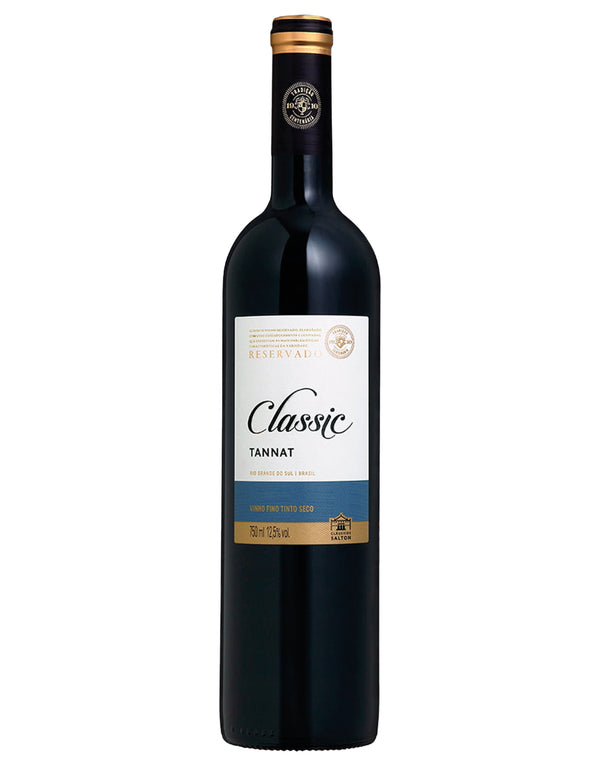
Vinicola Salton - Classic Tannat
An approachable and structured Brazilian Tannat, combining ripe black fruits, freshness and supple tannins to accompany grilled meats.

El Porvenir - Amauta Tannat 2024
A round and balanced wine, expressing the typicality of Tannat

Groot Constantia - Lady of Abundance 2021
An astonishing blend with flavors of black fruits and spices
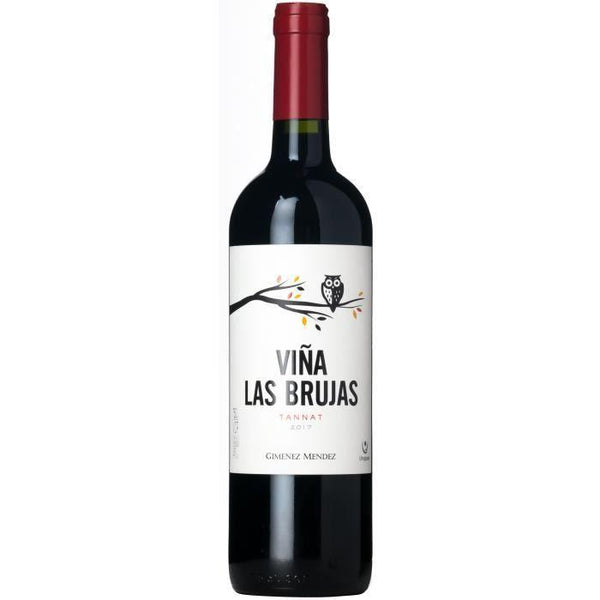
Giménez Méndez - Viña Las Brujas 2019
The king grape variety of Uruguay, Tannat.
Tannat's terroirs and their style
The same grape changes face with sun and altitude: firm and austere in its youth in South-West France, riper and rounder in South America.
| Wine region | Climate and soils | Style in the glass | A bottle to taste |
|---|---|---|---|
| Madiran South-West France, the grape's birthplace | Oceanic climate, slopes of clay and pebbles | Powerful tannins, blackberry, liquorice, long ageing potential | The grape's birthplace, to discover by comparison |
| Irouléguy and Saint-Mont Basque Country and Gers | Pyrenean slopes and Gascon hillsides | Tannat blended with the Cabernets, black fruit and freshness | Madiran's cousins, more mountainous |
| UruguayCanelones, near the Río de la Plata | Atlantic influence, cool nights, clay-limestone soils | Softer tannins, silky texture, plum, tea, chocolate | Viña Las Brujas 2019Giménez Méndez |
| Argentina, CafayateSalta, at around 1,700 m | Intense sunshine, icy nights, gravelly and sandy soils | Vibrant fruit, round palate, aged in tank | Amauta Tannat 2024The Future |
| Argentina, high-altitude plotVines planted in 2003 at 1,700 m | Gravelly, rocky soils, low vigour, deep roots | Intensity, structure and depth, aged in barrel | Tannat Laborum de ParcelaThe Future |
| Brazil, Serra GaúchaRio Grande do Sul | High-altitude hills, temperate subtropical climate, clay and stones | Ripe black fruit, freshness, supple tannins | Classic TannatSalton Winery |
The hotter and sunnier the climate, the riper the grapes and the rounder the tannins. For a similar high-altitude red, see also Malbec.
Serving and pairing a Tannat
A Tannat needs a little preparation: some air, the right temperature and a dish with enough texture to stand up to its tannins.
| Style | Serving | Pairings |
|---|---|---|
| Young and fruity Aged in tank, to drink within five years | 16 °C, an hour in a decanter | Grilled rib-eye, burger, empanadas, chilli con carne |
| Matured a few years Melted tannins, notes of cocoa and spice | 17 °C, opened an hour ahead | Roast lamb, duck breast, duck confit |
| Barrel-aged, high-altitude Dense structure, noticeable oak | 17–18 °C, two hours in a decanter | Rib of beef, game in sauce, daube |
| Madiran for ageing Ten years and more to soften | 18 °C, long decanting | Cassoulet, garbure, wood pigeon, Pyrenean sheep's cheese |
Where to start with Tannat
Four ways to taste the grape, then the neighbouring sections to go further.
Uruguayan Tannat, matured in bottle
A pure 2019 Tannat with soft tannins and a silky texture: blackberry, plum, blueberry, tea and chocolate, for a meat dish.
Giménez Méndez Viña Las Brujas 2019, €13.50 a bottle, by the case of 6A Brazilian Tannat for grilled meats
Ripe black fruit, freshness and supple tannins, from the hills of the Serra Gaúcha: the easy companion to grilled meat.
Vinicola Salton Classic Tannat, €13.40 a bottle, by the case of 6High-altitude Tannat, round and fruity
Vines in the Cafayate Valley, at nearly 1,700 m, harvested by hand and aged eight months in tank: a round, balanced wine.
El Porvenir Amauta Tannat 2024, €16.50 a bottle, sold individuallyAn exceptional plot in Salta
A plot planted in 2003 at 1,700 m, aged twelve months in oak barrels: the power of high-altitude Tannat, intense and deep.
El Porvenir Tannat Laborum de Parcela, €46.00 a bottle, sold individuallyDiscover Uruguay
The country that made Tannat its national grape, between the Río de la Plata and the Atlantic, and its reds with softened tannins.
The El Porvenir estate
A bodega in Cafayate, Salta, working Tannat at altitude, from the fruity tank-aged cuvée to the single plot for ageing.
Compare with Malbec
Also from South-West France and now a South American signature: a fleshier red, with more velvety tannins than Tannat.
Explore tannic reds
Nebbiolo, Cabernet Sauvignon, Syrah: structured reds to decant and serve with meat, gathered in the same section.
Micro-oxygenation, a Madiran invention
Tannat is one of the grapes richest in tannins and colour. Young, a Madiran can seem hard, and it used to take years in the cellar to soften it. In the early 1990s, a winemaker from the appellation, Patrick Ducournau, developed micro-oxygenation: tiny bubbles of oxygen released into the tank during ageing.
Oxygen binds the tannins together, stabilises the colour and makes the palate suppler as soon as the wine is bottled. The technique has spread all over the world, far beyond Tannat. In South America, the sun does part of the work: riper grapes give rounder tannins.
Tannat in blends
In Madiran, Tannat is often blended with Cabernet Franc, Cabernet Sauvignon or Fer Servadou, which soften it. It also acts as a spice in distant blends: Groot Constantia's Lady of Abundance, in South Africa, brings together Syrah, Merlot and Pinotage, with a 3% touch of Tannat.
The Wine Wanderer Team
What people ask us about Tannat
What is Tannat?
It is a red grape variety from South-West France, at the foot of the Pyrenees, where it gives Madiran, Irouléguy and Saint-Mont. It stands out for its very dark colour and high tannin content, hence its name. Brought to Uruguay in the 19th century by Basque emigrants, it has become the country's emblematic grape.
What does a Tannat wine taste like?
Expect a full-bodied red: black fruit (blackberry, plum, blueberry), liquorice, cocoa, sometimes notes of tea or spice. The palate is structured, with firm tannins in France and softer ones in South America, where the grapes ripen more. A young Tannat has grip; a Tannat a few years old becomes silkier.
Why is Uruguay the land of Tannat?
The grape was introduced there in the 1870s by Basque emigrants, and it adapted well to the Atlantic climate of the south of the country, around Canelones. Today it holds a central place in the vineyards. Uruguayan Tannats have suppler tannins than their French cousins, like the Viña Las Brujas.
What does altitude bring to Argentine Tannat?
In Cafayate, in the province of Salta, the vines grow at around 1,700 m. The daytime sun fully ripens the grapes, while the icy nights preserve freshness and colour. The result is a Tannat that is fruity, round and dense all at once, like those from the El Porvenir estate, from the Amauta cuvée to the Laborum plot.
Should you decant a Tannat?
Yes, most of the time. An hour in a decanter is enough for a young tank-aged Tannat, two hours for a barrel-aged wine or a Madiran that is still closed. Air softens the tannins and releases the fruit. Serve it at 16–18 °C, in a large glass: too warm and the alcohol dominates, too cool and the tannins harden.
What dishes should you serve with a Tannat?
How long can you keep a Tannat?
It depends on the style. Fruity tank-aged cuvées, like the Amauta, are best drunk within five years. A matured Uruguayan Tannat, like the Viña Las Brujas 2019, keeps for five to ten years. A great barrel-aged Madiran benefits from waiting ten years or more, for its tannins to melt.
How are the Tannats in this section sold?
The two El Porvenir cuvées are ordered individually: the Amauta Tannat 2024 at €16.50 a bottle and the Tannat Laborum de Parcela at €46.00 a bottle. The Viña Las Brujas from Giménez Méndez works out at €13.50 a bottle and the Classic Tannat from Vinicola Salton at €13.40 a bottle, both by the case of 6.
What is the difference between Tannat and Malbec?
Both come from South-West France and made their careers in South America, Tannat in Uruguay, Malbec in Argentina. Malbec gives fleshier wines, with velvety tannins and more generous fruit. Tannat has more structure and grip. Compare with our Malbec section.