
Alheit Vineyards: Cartology and the Cape's old Chenin parcels
7 bottles, from €42 to €99Chris and Suzaan Alheit own almost no vines. Their work consists of finding forgotten parcels of old Chenin from one end of the Western Cape to the other, contracting with the people who farm them, then vinifying each lot in its own vessel. Only then do they decide what goes into a blend and what stays on its own.
Cartology, the wine that made their name, is more a map than a place: Chenin and Sémillon from vineyards scattered across several districts. Alongside it, other cuvées do the opposite and never leave their slope. The tables below first set out the range, then the details of the grapes, the vines and the ageing.

Alheit Vineyards - Hemelrand Vine Garden 2023
An extraordinary white wine, made using the most natural extraction of the fruit.

Alheit Vineyards - Cartology 2023
A high-class, elegant and distinguished white wine.
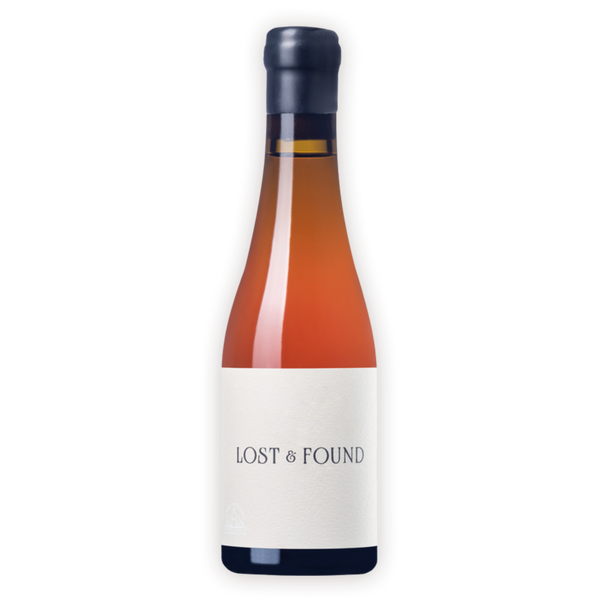
Alheit Vineyards - Lost & Found Muscat d'Alexandrie 2019
Old-vine Muscat of Alexandria, white flowers and honey without any heaviness.

Alheit Vineyards - Fire by Night 2023
A high-class Chenin blanc from old Swartland vines

Alheit Vineyards - Cartology 2019
A high-class, elegant and distinguished white wine.

Alheit Vineyards - Nautical Dawn 2023
A haute-couture Chenin blanc, embodying elegance and complexity

Alheit Vineyards - Broom Ridge 2019
A high-class Chenin blanc from old Swartland vines
Which bottle to start the range with
Two approaches within the range. Here is where to start, depending on what you are looking for tonight.
Start with Cartology
The blend that made the house's name: Chenin and Sémillon from historic vineyards, eighteen months on the lees. Candied lemon, quince, honeysuckle.
Cartology 2023 · €45A white for a full meal
Twelve months in old barrels then six months in tank on fine lees: a generous texture that stands up to roast fish or poultry as well as to an aperitif.
Hemelrand Vine Garden 2023 · €42A pure granite Chenin
Bush vines on a plateau in the Paardeberg, decomposed granite soil. Taut, precise, orange blossom and citrus zest.
Fire by Night 2023 · €63Give a rare bottle
Made from old vines, this muscat comes in a 375 ml half-bottle. An end-of-meal bottle that makes an easy gift.
Lost & Found 2019 · €99 for 375 mlSix grape varieties in a single bottle
The Hemelrand vineyard is planted with a mix of varieties, all bottled together without fixed proportions. The estate's entry-level price.
Hemelrand Vine Garden 2023 · €42Put a bottle aside
Aged twelve months on the lees then six months in tank, bottled without filtration: a chenin built to wait a few years in the cellar before being opened.
Fire by Night 2023 · €63End the meal with a sweet wine
Muscat of Alexandria from old vines, a historic Cape grape variety rarely vinified on its own. White flowers, peach, apricot, honey and musk.
Lost & Found 2019 · €99To forge a new path elsewhere
The grape variety the Cape shares with the Loire, from Alheit and the other winemakers we follow.
Our Chenin section
A broad blend on one side, a single hillside on the other
Cartology brings together fruit from several districts; it is the wine that carries the house signature. Fire by Night comes from a single place and never moves from it. Hemelrand stands apart: a single vineyard, but planted with several varieties that go to the press together.
| Vintage | What it is | The wine | Price |
|---|---|---|---|
| Cartology2023 | Blend of plots | Dry white. Chenin and Sémillon from historic Cape vineyards, eighteen months on the lees. Candied lemon, pear, kumquat, honeysuckle. | €45 |
| Hemelrand Vine Garden2023 | One vineyard, all its grape varieties | Dry white. Chardonnay, Chenin and the vineyard's other varieties bottled together, in proportions that vary with the year. | €42 |
| Fire by Night2023 | Single hillside | Dry white. Pure Chenin from the Paardeberg on decomposed granite, fermented in concrete eggs and old barrels. Taut and concentrated. | €63 |
| Lost & Found Muscat d'Alexandrie2019 | Sweet wine | Muscat of Alexandria from old vines. White flowers, peach, apricot, honey and musk, silky texture and a fragrant finish. | €99 |
The dry whites come in 75 cl, the sweet muscat in a 375 ml half-bottle. All these cuvées are bottled without filtration.
What lies behind each label
The method hardly varies: hand picking and sorting, whole-bunch pressing, spontaneous fermentation with no added yeast, ageing in neutral vessels, bottling without filtration. What changes from one cuvée to the next are the grapes and where they come from.
| Vintage | Grape varieties | Where the grapes come from | The vines | Livestock farming |
|---|---|---|---|---|
| Cartology2023 | Chenin and Sémillon | Old plots in Walker Bay, the Swartland and Hemel-en-Aarde. | Historic Cape vineyards, picked and sorted by hand. | Gentle whole-bunch pressing, spontaneous fermentation in concrete eggs, clay jars, foudres and old barrels, then eighteen months on the lees. |
| Fire by Night2023 | Chenin | A plateau in the heart of the Paardeberg, pure decomposed granite soil. | Hillsides planted in 1972 and 1985, bush-trained. | One month of fermentation in concrete eggs and old barrels, twelve months on the lees, six months in tank, bottled unfiltered. |
| Hemelrand Vine Garden2023 | Chardonnay, Roussanne, Verdelho, Chenin, Viognier and Muscat Blanc | The Hemelrand vineyard, planted with a mix of varieties on the same plot. | Each grape variety picked and sorted separately, by hand, in the vineyard. | Spontaneous fermentation in old barrels for twelve months, then six months in stainless steel on the fine lees, unfiltered. |
| Lost & Found Muscat d'Alexandrie2019 | Muscat of Alexandria | The estate does not specify where the plot is. | Old vines, a historic Cape grape variety rarely vinified on its own. | The estate does not disclose the details of this cuvée's ageing. |
The estate does not document every cuvée with the same precision. When the age of the vines or the detail of the ageing is not published, we say so rather than replacing it with a guess.
Seeking out the plot rather than owning the estate
Most winemakers start from a property and draw a range out of it. Alheit turns the problem on its head. Chris and Suzaan comb the Western Cape in search of old chenin that nobody valued any more, come to an agreement with the people who farm it, and bring the grapes in without yet knowing what they will make of them. Every lot ferments separately. The sorting comes afterwards.
Two families come out of that sorting. Cartology gathers what gains from being blended: the word means the study of maps, and the wine is one, drawn from vineyards in Walker Bay, the Swartland and Hemel-en-Aarde. Fire by Night stands alone because a blend would cost it exactly what makes it recognisable. None of this is guaranteed from one year to the next, and that is what separates one vintage from the following one.
Good to know before opening
Start with the blend. The Cartology 2023 is €45, in the middle of the range. It is the one that best sums up the house style before you move on to the hillside cuvées.
Serve cool, not ice-cold. Taken out at 8 °C, these whites stay closed. At around 11 to 12 °C the texture unfolds and the acidity stops covering everything. The sweet muscat, for its part, is served cooler.
A deposit is not a problem. None of these bottles is filtered. Stand the bottle upright the day before if you are opening an older vintage.
The Wine Wanderer Team
What people ask us about Alheit's wines
Who are Chris and Suzaan Alheit?
A winemaking couple based in the Western Cape, South Africa. They do not farm a large vineyard of their own: they track down parcels of old vines, mainly Chenin, strike agreements with the people who farm them, and vinify each lot separately in their cellar. Their approach is minimalist, with no added yeast or chemical inputs, and it has done much to change how the Cape's old vineyards are seen today.
What is Cartology?
It is the blend of chenin and semillon that made the estate's name. The word means the study of maps, and the name is literal: the grapes come from rare plots spread over three renowned areas, Walker Bay, the Swartland and Hemel-en-Aarde. So the wine does not express a single terroir, it draws a wine map of the Cape. Ageing of around eighteen months on the lees, in concrete eggs, clay jars, foudres and old barrels. We offer the 2023 vintage, at €45.
How do you make wine without owning any vines?
By buying grapes rather than land, and by committing for the long term to the people who look after the parcels. This is what saved some of South Africa's old vineyards: as long as a buyer pays a sustainable price for the fruit, the owner does not pull the vines up to replant. The winemaker's work then shifts towards selecting parcels and vinifying each lot separately, before deciding what goes into a blend and what is bottled on its own.
What does an old Chenin vine bring?
Low yields, deep roots, and the ability to get through a dry summer without irrigation. At Alheit these plots are bush-trained, like the Fire by Night slopes planted in 1972 and 1985. The result has more to do with tension than with power: a fine acidity, a delicate texture, alcohol kept in check in a hot country.
Which bottle should I start with?
With the Cartology 2023 at €45. It is the most representative wine of the estate and one of the least expensive in the range. If you would rather first understand what a single plot gives, take the Fire by Night at €63: pure chenin, a single granite plateau, a very clear definition. The Hemelrand Vine Garden at €42 opens the range at the bottom but tells another story, a vineyard planted with a mix of varieties.
Does the vintage change these wines much?
More than at an estate that corrects. The proportions of the blend follow what the season gives, fermentation starts without added yeast and nothing is adjusted afterwards. The Cartology 2023 tastes today of fresh citrus and blossom; with a few years in the cellar, these whites melt their matter together and gain in texture what they lose in tension.
Are these wines for laying down?
The estate does not publish an ageing window. These are whites aged at length on the lees, without filtration or correction, and they have the structure to hold for several years: we happily drink them between three and eight years after the vintage, by which time the tension of the early years has given way to texture. The long ageing on the lees and the absence of filtration point the same way: these are wines built to develop in bottle, provided you lay them down somewhere cool and away from the light.
At what temperature should these whites be served?
Between 11 and 12 °C for the dry whites. Any colder and the aromas close up, leaving only the acidity; any warmer and the finish becomes heavy. An hour in the fridge is enough, not a whole night. The Lost & Found, which is a sweet wine, is served cooler, at around 9–10 °C, at the end of the meal.
Which dishes go with Alheit's whites?
White fish and oily fish, shellfish, white meats, grilled vegetables and vegetarian dishes: that is the territory of the whole dry range. Soft and pressed cheeses work too, as the tension of the Chenin gets through where a round white would fall flat. The Cartology also works very well as an aperitif. The sweet Muscat, on the other hand, is best kept for dessert or a blue cheese.
Why these prices, from €42 to €99?
Because the plots are small, old and low-yielding, and because the grapes are paid for well enough to keep the old vineyards standing. Add to that hand sorting, a slow fermentation without added yeast and twelve to eighteen months of ageing before bottling. The Hemelrand Vine Garden opens at €42, the Cartology sits at €45, and the muscat sweet wine climbs to €99 because it is made in very small quantities. To place that level in the wider Cape, see also The Sadie Family.