
Saint-Émilion: terroirs, classification and grands crus for ageing
18 bottles, from second wine to Premier Grand Cru ClasséChoosing a red made from Merlot and Cabernet Franc, round in its youth and able to age for twenty years, calls for three reference points: the terroir the wine comes from, the term on the label and the château's rank in the classification. Saint-Émilion brings together a limestone plateau, clay-limestone slopes and a gravel terrace, and its classification, born in 1955, is put back on the line every ten years.
The selection runs from estate Saint-Émilion Grand Cru to the Premiers Grands Crus Classés, in bottle, magnum and large formats, with several vintages for the biggest names.
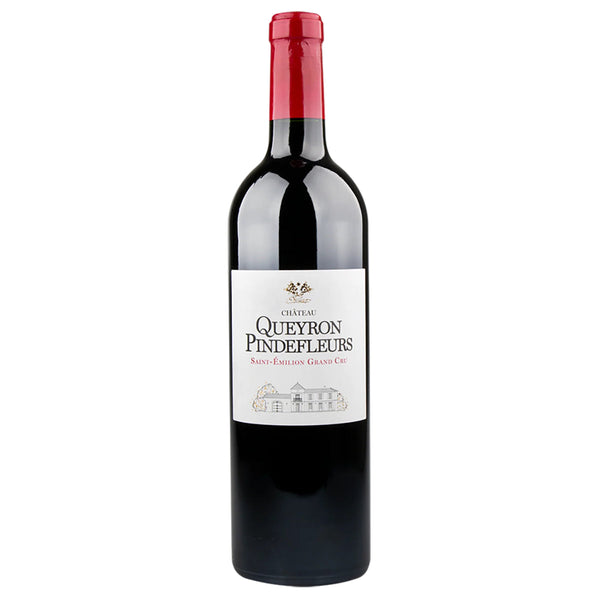
Château Queyron Pindefleurs - Saint-Émilion Grand Cru 2018
Right Bank Merlot: black fruit and leather, with the structure of a Saint-Émilion built for ageing.
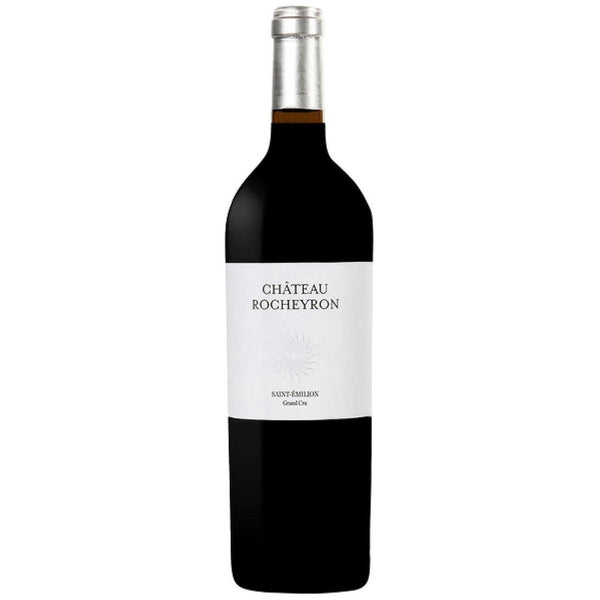
Château Rocheyron - Saint-Emilion Grand Cru 2018
A deep, velvety and mineral Saint-Émilion Grand Cru. The finesse of limestone frames a generous expression of dark fruit.

Vignobles Jade - Fontfleurie 2019
A Saint-Émilion Grand Cru with pure fruit and a melting texture, aged in foudres and amphorae.
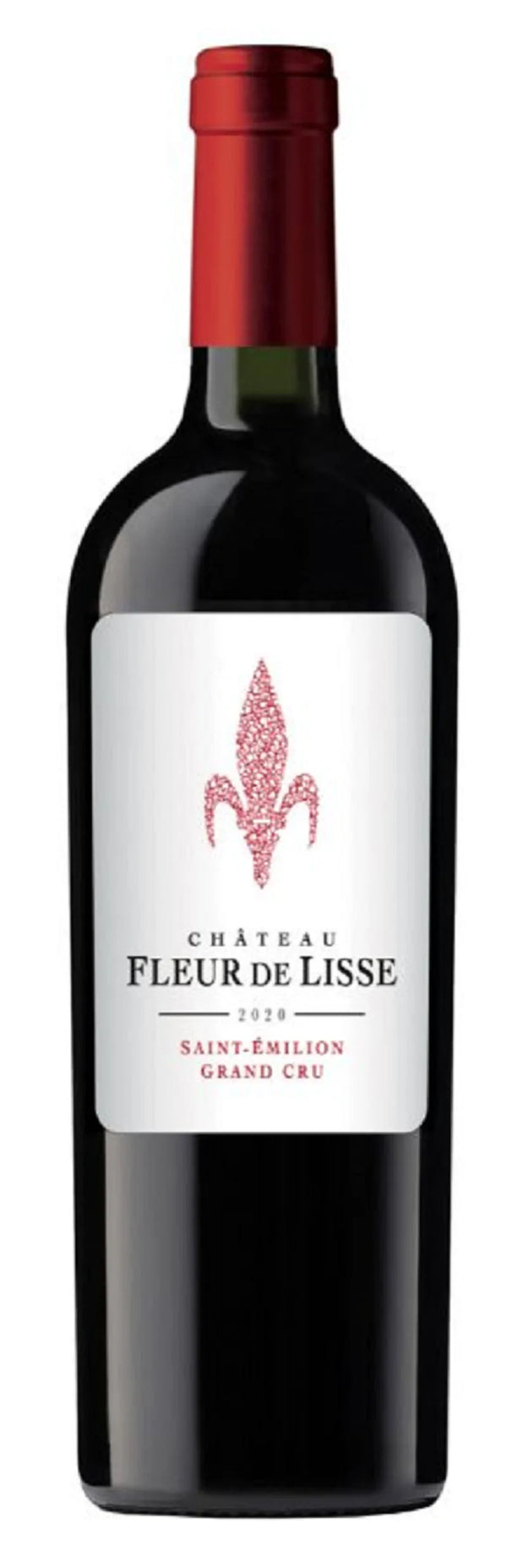
Vignobles Jade - Château Fleur de Lisse 2020
An organic Saint-Émilion Grand Cru, with intense black fruit and tannins of striking velvet.

Château Angelus - Saint-Émilion Grand Cru
The grand vin of Angelus, from the foot of the slope (pied de côte) in Saint-Émilion, where Cabernet Franc plays a leading role.

Château Pavie - Arômes de Pavie
The second wine of Château Pavie, born on the limestone plateau of Saint-Émilion.

Château Ausone - Saint-Émilion Grand Cru
The legendary micro-vineyard of the Vauthier family, on the limestone slope of Saint-Émilion.
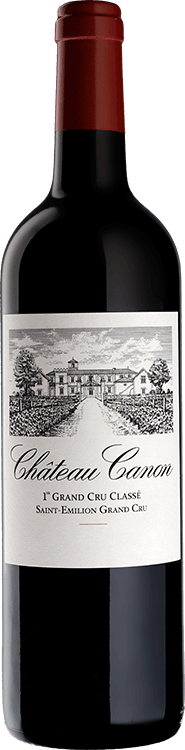
Château Canon - Saint-Émilion 1er Grand Cru Classé
The Premier Grand Cru Classé of Saint-Émilion's limestone plateau, aged in its underground quarries.

Château Canon-la-Gaffelière - Saint-Émilion 1er Grand Cru Classé
The organic Premier Grand Cru Classé of the Counts von Neipperg, at the foot of the Saint-Émilion slope.

Château Cheval Blanc - Saint-Émilion Grand Cru
The legend of Saint-Émilion, on the doorstep of Pomerol, where Cabernet Franc reigns over gravel and clay.

Château-Figeac - Saint-Émilion Grand Cru 1er Grand Cru Classé
The Saint-Émilion of the gravels, where the two Cabernets bring freshness, brightness and long ageing potential.

Château Grand Mayne - Saint-Émilion Grand Cru Classé
A generous Saint-Émilion Grand Cru Classé, born on the clay-limestone slope at the foot of the town.

Château L'If - Saint-Émilion Grand Cru
A rare, mineral Saint-Émilion from the limestone plateau, at the highest point of the appellation.

La Mondotte - Saint-Émilion Grand Cru
An old-vine Saint-Émilion from the clay-limestone plateau, powerful and intensely mineral.

Château Pavie - Saint-Émilion 1er Grand Cru Classé A
A Saint-Émilion Premier Grand Cru Classé A, rich and structured, born on the south-facing limestone slope.

Château Troplong Mondot - Saint-Émilion 1er Grand Cru Classé
A Saint-Émilion with a true sense of place, born at the highest point of the appellation on clay and limestone.
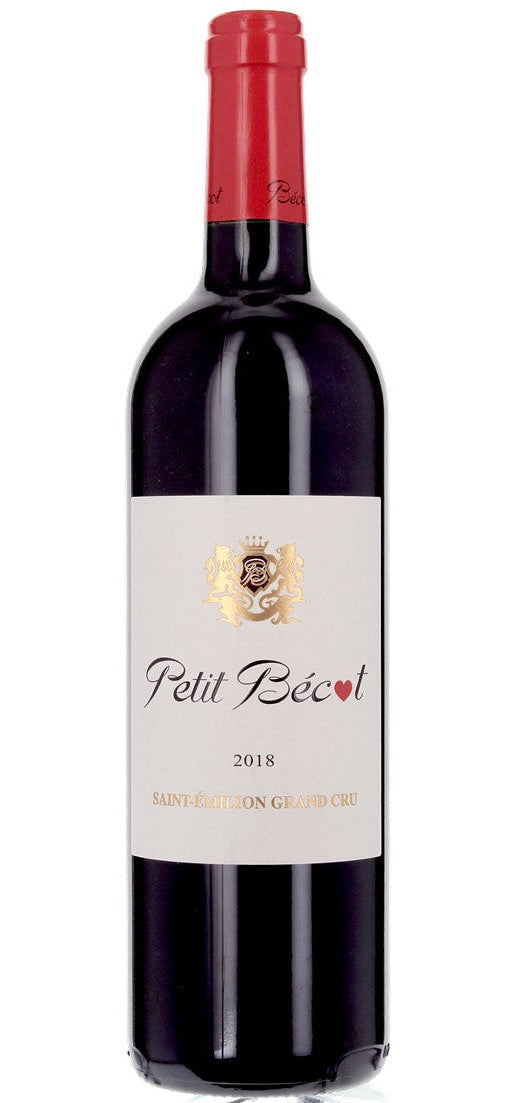
Château Beau-Séjour Bécot - Petit Bécot Saint-Émilion Grand Cru 2021
A supple, indulgent Saint-Émilion Grand Cru from Beau-Séjour Bécot. Merlot expresses itself here with freshness and finesse.
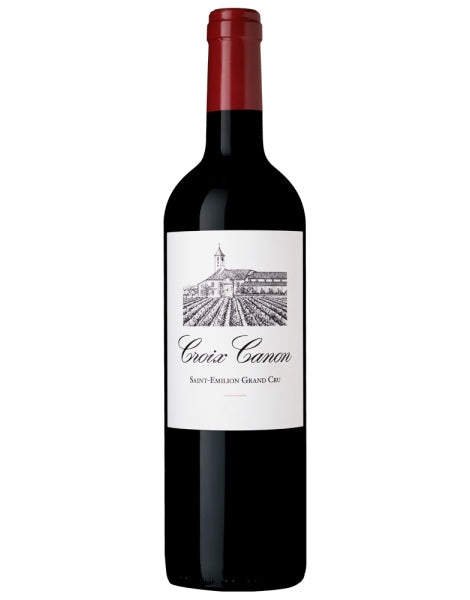
Château Canon - Croix Canon Saint-Émilion Grand Cru 2017
An indulgent, precise Saint-Émilion Grand Cru, between vibrant fruit and limestone freshness.
Plateau, slopes and gravel: the terroirs
The appellation covers around 5,400 hectares across nine communes, east of Libourne: Saint-Émilion, Saint-Christophe-des-Bardes, Saint-Étienne-de-Lisse, Saint-Hippolyte, Saint-Laurent-des-Combes, Saint-Pey-d'Armens, Saint-Sulpice-de-Faleyrens, Vignonet and part of Libourne. At the centre, a plateau of starfish limestone (calcaire à astéries) rising to around 100 metres; around it, molasse slopes; to the north-west, sands and the gravel mounds (croupes de graves) of Figeac, on the doorstep of Pomerol.
| Terroir | Soils | What it gives in the glass | To taste |
|---|---|---|---|
| Limestone plateau, west of the town | Thin clay-limestone over starfish limestone, which regulates water | Freshness, fine tannins, saline finish | Château Canon1er Grand Cru Classé, from €490.00 per magnum (2005) |
| Limestone slope, southern entrance to the town | Pure limestone and starfish clay-limestone, due south-facing slopes | Lace-like texture, great length, very long ageing potential | Château AusoneSaint-Émilion Grand Cru, from €683.00 per bottle (2014) |
| Côte Pavie, to the south-east | Clay-limestone plateau at 85 m, brown mid-slope, sandy foot of the slope | Density, black fruit, limestone freshness | Château Pavie1er Grand Cru Classé A, from €564.00 per bottle (2010) |
| Foot of the slope, facing the village | Clay-limestone at the top, clay-sand-limestone on the hillside | Smooth palate, spices, a high proportion of Cabernet Franc | Château AngelusSaint-Émilion Grand Cru, from €466.00 per bottle (2011) |
| Heights of Mondot, to the east | Rich clays lying on starfish limestone, the appellation's high point | Restrained power, tight tannins, graphite | Château Troplong Mondot1er Grand Cru Classé, from €481.00 per magnum (2010) |
| Saint-Christophe-des-Bardes plateau | Limestone, mature vines | Velvety black fruit, chalky backbone | Château Rocheyron 2018Saint-Émilion Grand Cru, €139.00 per bottle |
| Figeac gravel, on the edge of Pomerol | Three gravel mounds over a clay subsoil | Two-thirds Cabernets: brightness, cedar, freshness | Château-Figeac1er Grand Cru Classé, from €511.00 per magnum (2021) |
| Gravel and clay, on the Pomerol boundary | Gravel over clay, deep gravel, clayey sands | Cabernet Franc dominant, silk, depth | Château Cheval BlancSaint-Émilion Grand Cru, from €639.00 per bottle |
| Foot of the slopes and light soils | Limestone silts, sands and silts | Pure fruit, supple tannins, approachable young | Fontfleurie 2019Vignobles Jade, €39.90 per bottle |
Beneath the town and the neighbouring plateaux runs a network of old quarries some hundred kilometres long, at a constant temperature: several châteaux age their wines there, including Château Canon.
From the appellation to Premier Grand Cru Classé A
Two appellations share the same area, and a classification then singles out the châteaux of the second. Saint-Émilion Grand Cru is therefore an appellation, with stricter production rules; “Grand Cru Classé” and “Premier Grand Cru Classé” are a rank earned on the basis of an application and a tasting.
| Term on the label | What it guarantees | Suggested ageing | To taste |
|---|---|---|---|
| Saint-Émilion | Red from the nine communes, base yield of 53 hl/ha | 3 to 8 years | All Bordeaux redsThe full section, to compare appellations |
| Saint-Émilion Grand Cru | Same area, yield of 46 hl/ha, higher ripeness, long ageing, released in the spring of the second year after harvest | 5 to 15 years | Château Queyron Pindefleurs 2018€35.00 per bottle, sold singly |
| Second wine of a cru classé | The château's same vines or dedicated plots, a more approachable style, Saint-Émilion Grand Cru label | 5 to 10 years | Petit Bécot 2021Château Beau-Séjour Bécot, €26.00 per bottle, by the case of 6 |
| Grand Cru Classé | Rank in the 2022 classification (71 crus): ten vintages tasted, minimum score of 14 out of 20 | 10 to 25 years | Château Grand MayneFrom €574.00 per 6-litre impériale (2022) |
| Premier Grand Cru Classé | Higher rank (14 crus in 2022): fifteen vintages tasted, minimum score of 16 out of 20 | 15 to 30 years | Château Canon-la-Gaffelière€980.00 per 6-litre impériale (2022) |
| Premier Grand Cru Classé A | Distinction reserved in 2022 for two châteaux, Figeac and Pavie | 20 years and more | Château PavieFrom €564.00 per bottle (2010), €736.00 per magnum (2023) |
| Grand Cru from a château that stayed out of the classification | Ausone, Cheval Blanc and Angelus chose to leave the race in 2022: their label carries the appellation alone | 20 years and more | Château Cheval BlancFrom €639.00 per bottle, vintages from 2011 to 2023 |
Suggested ageing for a cool, dark cellar, bottles lying down. A large format evolves more slowly than a 75 cl bottle of the same vintage.
A way in for every wish
Start from the occasion or the budget, and the bottle follows.
Discover through a second wine
The second wine of Château Beau-Séjour Bécot, pure Merlot from the limestone plateau of Saint-Martin de Mazerat: round, fresh, ready to drink now.
Petit Bécot 2021, €26.00 per bottle, by the case of 6An organic Grand Cru
Merlot and Cabernet Franc from the foot of the slopes, certified organic, aged 18 months in foudres, barrels and amphorae: black fruit, velvet tannins.
Château Fleur de Lisse 2020, Vignobles Jade, €47.00 per bottleThe spirit of a Premier Grand Cru Classé
The second wine of Château Canon, born on the western side of the plateau: juicy fruit, limestone freshness and eighteen months' ageing in barrel.
Croix Canon 2017, €45.00 per bottle, in packs of 3Limestone to lay down
A Grand Cru from the Saint-Christophe-des-Bardes plateau, Merlot and Cabernet Franc aged fourteen months in barrel: velvety, chalky, built for ten years' ageing.
Château Rocheyron 2018, €139.00 per bottleA magnum for a big table
The Saint-Émilion of the gravel, where Cabernet Sauvignon and Cabernet Franc make up two-thirds of the blend. From magnum to the 15-litre nabuchodonosor.
Château-Figeac, from €511.00 per magnum (2021)A vintage at maturity
The grand vin from the foot of the slope, offered in several vintages, from 1995 to 2022, to open a bottle already in full bloom or lay down a young one.
Château Angelus, from €466.00 per bottle (2011)The neighbour: Pomerol
On the other side of the Figeac terrace, a small Merlot appellation on clay and gravel, where the hierarchy is read château by château.
All the grands crus classés
Bordeaux's three classifications brought together: Médoc and Sauternes in 1855, Graves, Saint-Émilion. To compare ranks from one bank to the other.
A rank that is put back on the line
The Saint-Émilion appellation was defined by decree in 1936, within the historic boundaries of the Jurade. A 1954 decree created the hierarchy, and the first classification appeared in 1955, completed in 1958. Its rule makes it unique in Bordeaux: it can be revised every ten years, whereas the Médoc's has essentially remained that of 1855. A château can therefore move up, move down or drop off the list.
The 2022 edition, the seventh, was approved by the INAO on 8 September 2022. It lists 85 crus: 71 Grands Crus Classés and 14 Premiers Grands Crus Classés, two of which hold the A distinction, Château Figeac and Château Pavie. Tasting counts for half the score, over ten vintages for a Grand Cru Classé and fifteen for a Premier; reputation, terroir and the management of the vineyard and cellar make up the rest. Ausone, Cheval Blanc and Angelus, ranked A in the 2012 edition, preferred to withdraw: their wines now carry only the Saint-Émilion Grand Cru designation, and their reputation needs no rank.
Grand vin and second wine
A château keeps its best vats for its grand vin (the estate's flagship wine) and reserves the younger vines or dedicated plots for the second wine. Same team, same care, shorter ageing potential and a gentler price. Petit Bécot comes from the vines of Beau-Séjour Bécot, Croix Canon from the western side of Château Canon's plateau, Arômes de Pavie from the Pavie plateau, offered in a 3-litre jéroboam (€533.00, 2016 vintage).
The Wine Wanderer Team
What we are asked about Saint-Émilion
Which Saint-Émilion should I buy to start with?
Start with an estate Saint-Émilion Grand Cru or the second wine of a cru classé. Château Queyron Pindefleurs 2018 costs €35.00 per bottle, Fontfleurie 2019 from Vignobles Jade €39.90 per bottle. Petit Bécot 2021, the second wine of Beau-Séjour Bécot, comes to €26.00 per bottle, by the case of 6. All three deliver the fruit of Merlot and the freshness of Cabernet Franc, ready to drink now.
What is the difference between Saint-Émilion and Saint-Émilion Grand Cru?
They are two appellations covering the same area, and the second imposes stricter production rules. The base yield drops from 53 to 46 hectolitres per hectare, the required ripeness is higher and the ageing longer: the wine reaches the market in the spring of the second year after harvest. Saint-Émilion Grand Cru is therefore an appellation, not yet a rank in the classification.
How does the Saint-Émilion classification work?
The classification singles out, among Saint-Émilion Grand Cru wines, Grands Crus Classés and Premiers Grands Crus Classés. Created in 1955, it can be revised every ten years, under the supervision of the INAO. The 2022 edition has 85 crus, including 14 Premiers; Figeac and Pavie hold the A distinction. The tasting of ten to fifteen vintages counts for half the score. To compare with 1855, see the grands crus classés of Bordeaux.
Why are Ausone, Cheval Blanc and Angelus absent from the 2022 classification?
These three châteaux, Premiers Grands Crus Classés A in 2012, chose to withdraw from the 2022 edition. Since then their wines have carried the Saint-Émilion Grand Cru appellation alone, and they remain among the most sought-after on the right bank. In this section, Château Angelus starts at €466.00 per bottle (2011), Château Cheval Blanc at €639.00 per bottle and Château Ausone at €683.00 per bottle (2014).
Pomerol or Saint-Émilion: what is the difference?
The two neighbours share Merlot, but Saint-Émilion is far larger, has more limestone and has an official classification. Pomerol is a small appellation of clay and gravel, where the hierarchy is set château by château, and gives fleshy wines with truffle notes. Saint-Émilion offers more styles: the tension of the limestone plateau, the density of the slopes, the Cabernets of the Figeac and Cheval Blanc gravel.
Which grape varieties go into a Saint-Émilion?
Merlot dominates by a very wide margin: it brings colour, roundness and silky tannins. Cabernet Franc, the second variety, adds aromatic finesse, freshness and structure, especially on limestone, sand and gravel. Cabernet Sauvignon plays a small part on warm soils. The proportions vary with the terroir: 80% Merlot at Château Grand Mayne, two-thirds Cabernets at Château-Figeac.
How long can you keep a Saint-Émilion Grand Cru?
Allow five to ten years for a second wine or an estate Grand Cru, ten to twenty-five years for a cru classé, longer for the Premiers in a great vintage. Croix Canon 2017 and Petit Bécot 2021 can be drunk today; Château Rocheyron 2018 is worth waiting for. The older vintages in the section, such as Château Angelus 1995 or La Mondotte 1996, are served at maturity.
What food goes with a Saint-Émilion?
A Saint-Émilion loves roast meats and slow-cooked dishes. Serve a young Grand Cru with a rib of beef or a leg of lamb, a mature wine with feathered game, poultry with mushrooms or a truffle dish. Mature pressed cheeses also work well. Serving temperature: 16–18 °C, after an hour in a decanter for a young wine.
What is a second wine in Saint-Émilion?
A second wine is a château's other cuvée, made from younger vines, dedicated plots or vats left out of the grand vin. It carries the Saint-Émilion Grand Cru appellation and the house style, in a more supple and less expensive version. Croix Canon 2017, the second wine of Château Canon, costs €45.00 per bottle, in packs of 3, while the grand vin is offered here in magnum and large formats.
Why are some wines sold in packs or in large format?
The sales format varies from one wine to another and is shown on each product page, with the price per bottle. Petit Bécot is sold by the case of 6 (€26.00 per bottle), Croix Canon in packs of 3 (€45.00 per bottle). Several crus classés come in magnum, jéroboam or impériale: Château L'If from €571.00 per magnum (2018), Château Troplong Mondot from €481.00 per magnum (2010). A large format ages more slowly and suits big tables.
What is the best Saint-Émilion?
The official summit of the 2022 classification brings together two Premiers Grands Crus Classés A, Château Pavie and Château Figeac; Ausone, Cheval Blanc and Angelus hold the same level outside the list. The best choice then depends on style: the limestone slope for tension (Ausone, Canon), the clays of Mondot for power (Troplong Mondot, La Mondotte, from €459.00 per bottle), the gravel for the brightness of the Cabernets.
Where can I buy a Saint-Émilion Grand Cru Classé in France?
This section brings together Grands Crus Classés and Premiers Grands Crus Classés, delivered in France and across Europe, with the vintage and format specified on each product page. Château Grand Mayne is available in a 6-litre impériale (from €574.00, 2022 vintage), Château Canon from €490.00 per magnum (2005). To extend to the other bank, see the Médoc and the Bordeaux section; for advice, write to us.