
Bolgheri: Tuscany that turned its back on Sangiovese
Seven vintages from the Livorno coast, starting at €102 for 2 bottlesBolgheri is located on a strip of land between the hills and the Tyrrhenian Sea, in the province of Livorno. Sangiovese, which is used in Tuscan wine everywhere else, plays a secondary role here: Cabernet Sauvignon, Merlot, Cabernet Franc, and Petit Verdot are planted here, just like in Bordeaux.
This corner of the coast is where Super Tuscans originated, these wines that rejected the region's regulatory framework and made a name for themselves without it. Sassicaia, which appeared in 1968, is the original example and is featured in our cellar. The table below precisely explains what separates this coast from inland Tuscany.

Le Crocine - 57022 Bolgheri 2019
A Bolgheri red with character, combining ripe fruit, fine tannins and maritime elegance.
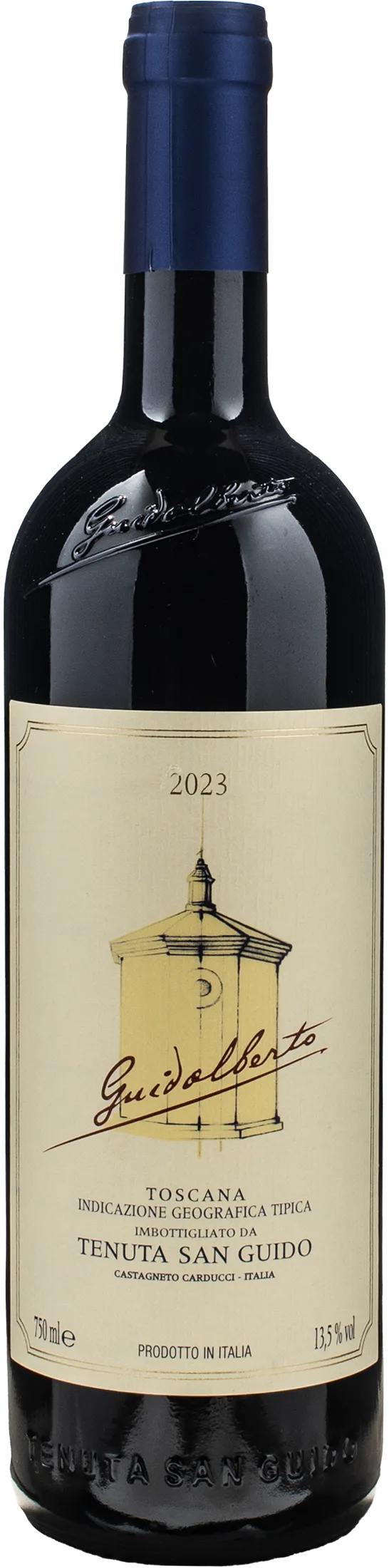
Tenuta San Guido - Guidalberto 2023
A refined Tuscan red, where the freshness of Bolgheri meets fruity, spicy depth.
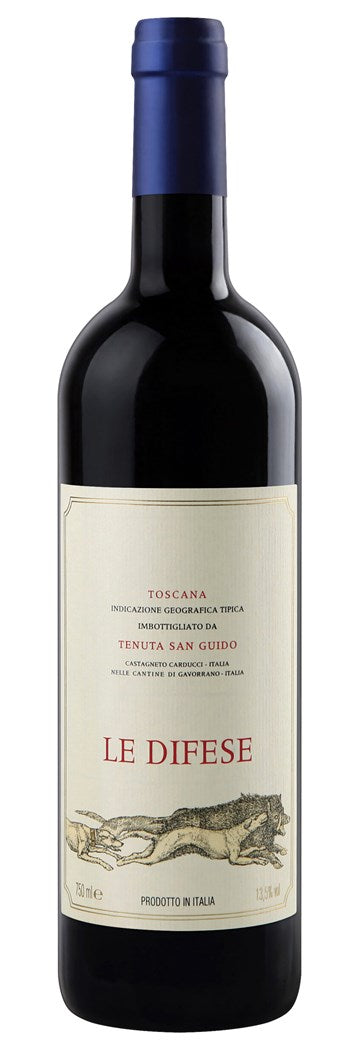
Tenuta San Guido - Le Difese 2023
A refined, delicious Tuscan wine, where Sangiovese meets the elegance of Cabernet Sauvignon.
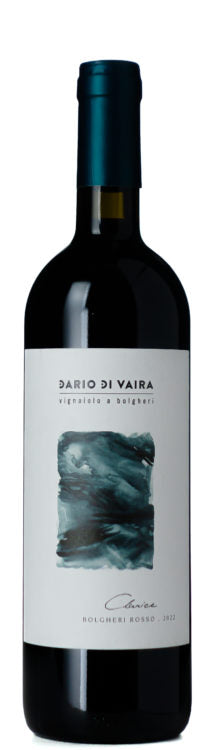
Dario di Vaira - Clarice 2022
A Tuscan red from Bolgheri combining fruit ripeness, maritime freshness and elegant structure.
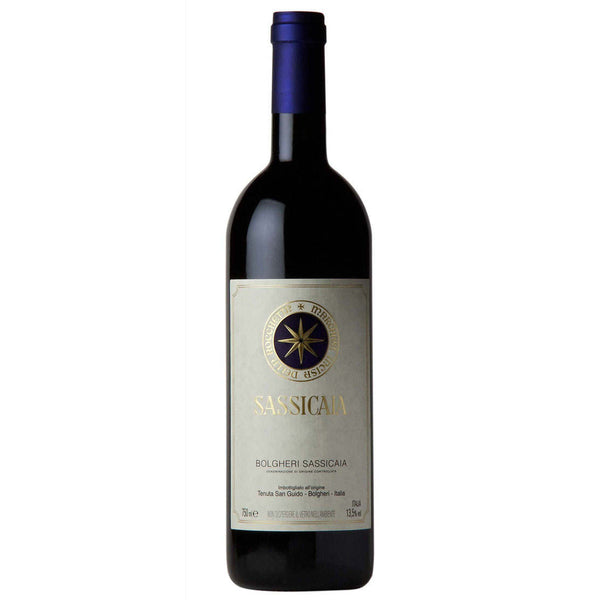
Tenuta San Guido - Sassicaia 2022
One of the most exceptional wine creations of the century
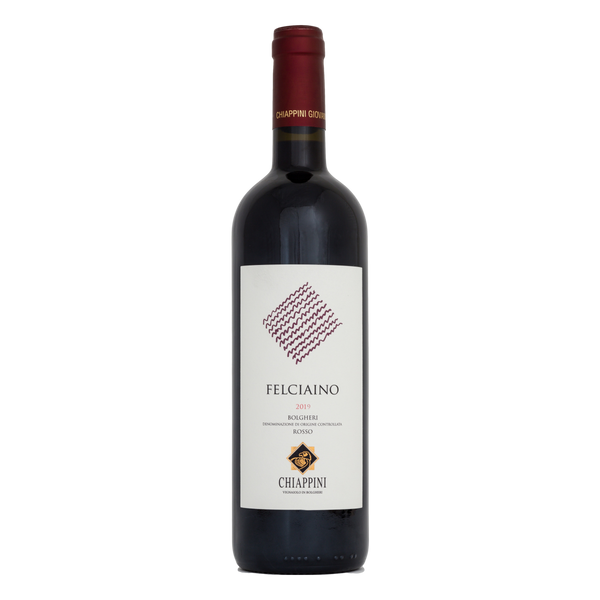
Chiappini - Felciaino 2021
A structured and gourmet Bolgheri red, where the ripeness of the fruit meets the Mediterranean elegance of the coastal terroir.
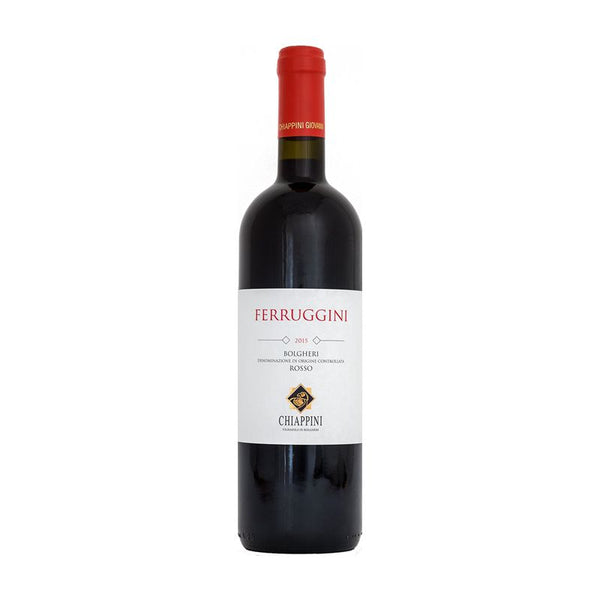
Chiappini - Ferruggini 2022
A gourmet and juicy Tuscan red, which frankly expresses the sunny character of Bolgheri.
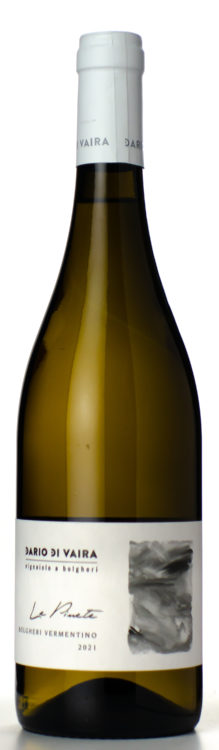
Dario di Vaira - Le Pinete 2025
A refreshing, marine Tuscan white wine, driven by the purity of the fruit and a beautiful saline tension.
Bolgheri versus the rest of Tuscany
Two vineyards in the same region that share almost nothing: neither the grape variety, nor the soil, nor the climate, nor the style. Here's what sets them apart, line by line.
| Criterion | Bolgheri | Chianti, Montalcino, and the interior |
|---|---|---|
| Grape varieties | Cabernet Sauvignon, Merlot, Cabernet Franc, and Petit Verdot. Sangiovese and Syrah play only a minor role. | Sangiovese dominates everywhere. Brunello requires it alone, Chianti Classico at a minimum of 80%. |
| Situation | The Tyrrhenian coast, in the Livorno Maremma, around Castagneto Carducci. | The inland hills, higher and further from the sea. |
| Ground | Sands, silts, clays and pebbles, very well-drained, inherited from marine and fluvial deposits. | Galestro and alberese: crumbly shales and marly limestone from hillsides. |
| Climate | Maritime. Constant breezes, mild winters, consistent Cabernet ripeness every year. | Continental. Drier summers, harsher winters, more contrasting vintages. |
| The style | Ripe dark fruits, cedar, spices, dense and velvety tannins. A structure that evokes the sun-drenched Bordeaux region. | Cherry, sun-dried tomato, dried herbs. A sharp acidity and a firmer tannin. |
| At our place | Seven cuvées, from €102 for two. | A much wider range in the Tuscan section. |
The neighbouring appellations each have their own section: Chianti, Brunello di Montalcino, and all our Tuscan wines.
The five coastal estates, and their cuvées
The previous table defined the appellation. This one indicates who produces what, with which grape varieties, and in what format we can ship it.
| The field | Where | Grape varieties | At our place |
|---|---|---|---|
| Tenuta San Guido Bolgheri Sassicaia | A 2,500-hectare estate, only a tiny part of which is planted with vines, between 80 and 400 meters, facing west. | Cabernet Sauvignon and Cabernet Franc. | Sassicaia 2022, €399 |
| Gaja Ca'Marcanda | On soils that the region calls "terre bianche" and "terre brune," clays, sands, and pebbles intermingle. | Merlot, Cabernet Sauvignon and Cabernet Franc. | Ca'Marcanda 2020, €278 |
| Crocine heart of the appellation | Plots of sand, silt and pebbles, surrounded by gentle hills and Mediterranean forest. | Cabernet Sauvignon, Merlot and Cabernet Franc. | 57022 Bolgheri 2019, 102€ for 2 |
| Chiappini near Castagneto Carducci | Two wines from Livorno Maremma, one aged for a year in French oak barrels, the other in stainless steel tanks. | Cabernet Sauvignon, Merlot and Petit Verdot for Felciaino. Sangiovese, Cabernet Franc and Syrah for Ferruggini. | Felciaino 2021, €119.40 for 3 |
| Dario di Vaira near Bolgheri | Two vintages from the Bolgheri campaign, not far from the village and Castagneto Carducci. | Merlot in red, Vermentino for the only white on this page. | Le Pinete 2023, €140.40 for 6 bottles |
Dario di Vaira's other cuvée is the Clarice 2022, a Merlot aged in vats on fine lees, at €180 for 6 bottles. Not all of these bottles claim the same mention: some come from the Bolgheri countryside under a broader Tuscan appellation.
A bottle for every intention
The tables give the map. Here are the cuvées, with the format in which each is available today.
Enter the appellation
The three Bordeaux grape varieties blended, in the heart of the area. Black fruits, cedar, subtle vanilla, a velvety texture.
Le Crocine 57022 Bolgheri 2019 · €102 for 2Where Sangiovese reigns supreme
Sangiovese, Cabernet Franc and Syrah, aged in vats with no oak. The juiciest and most direct of the page.
Chiappini Ferruggini 2022 · €105 for 3The complete blend, including Petit Verdot
Cabernet Sauvignon, Merlot and Petit Verdot, approximately one year in French oak barrels before blending.
Chiappini Felciaino 2021 · €119.40 for 3The only white man on the coast
Vermentino from the Bolgheri countryside. Citrus, white flowers, a hint of herbaceousness, and a saline finish.
Dario di Vaira Le Pinete 2023 · €140.40 for 6An unoaked Merlot
Gentle maceration, aging in tanks on fine lees, estate bottling. The antithesis of oaked wines.
Dario di Vaira Clarice 2022 · €180 for 6The Piedmontese who came to the coast
Ca'Marcanda, the Tuscan estate of the Gaja family. Vinification of each grape variety separately, extended aging in French oak barrels.
Gaja Ca'Marcanda 2020 · €278The first Super Tuscan
Appeared in 1968 against the practices of the time, becoming the only appellation in Italy reserved for a single estate.
Tenuta San Guido Sassicaia 2022 · €399See all of Tuscany
Sangiovese from inland, the Chianti and Montalcino hills, and the rest of the region.
Our Tuscan wines
A vineyard born against Tuscan rules
In the 1960s, planting Cabernet Sauvignon in Tuscany condemned a wine to the lowest designation: "vino da tavola" (table wine). Sassicaia was born this way, outside the established norms, and others followed suit. Twenty years later, these reclassified bottles were trading at the price of the greatest Italian wines, and regulations eventually created the appellation they lacked.
The question we are asked most often remains: what's the point of a Bordeaux-style wine made in Italy? The answer lies in the climate. This coast ripens Cabernet Sauvignon with a consistency few terroirs achieve, and the sea breezes preserve the freshness that such sunshine threatens. The result is wines that are more "sunny" and charming when young, built on the same skeletal structure.
How do you choose
On the balance between fruit and wood. The climate here produces very ripe grapes, and the temptation of new oak barrels is easy to follow. The best cuvées resist it.
And on the relationship between price and what's in the glass. The name comes at a high price because it's in demand: the most interesting bottles are not always the best known.
The Baroudeur du Vin team
What we are asked about Bolgheri
Where is Bolgheri located?
On the Tyrrhenian coast of Tuscany, in the province of Livorno, around the village of Bolgheri and the commune of Castagneto Carducci. This is the Livorno Maremma: a coastal, airy vineyard, planted on very well-drained sands, silts, and pebbles.
Why is Sangiovese hardly ever made there?
Nothing forbids it, and it maintains a minority position in certain blends, such as our Chiappini Ferruggini. But this vineyard is young: it was built after the war on coastal plains, with no tradition of Sangiovese, and tests have shown that Bordeaux grape varieties ripen better there. Sangiovese, on the other hand, performs best on the inland hillsides.
What does the term Super Tuscan refer to?
The name given by the Anglo-Saxon market to Tuscan wines which, from the 1960s onwards, began using grape varieties not permitted by local appellations, with Cabernet and Merlot at the forefront. They were labeled as table wine, at the very bottom of the hierarchy, and sold at grand cru prices. Regulations eventually created a framework for them.
What's so special about Sassicaia?
It is the first in the line, appearing in 1968, and the only wine in Italy to have an appellation reserved for a single estate: Bolgheri Sassicaia. The vineyards of Tenuta San Guido occupy a tiny part of a 2,500-hectare estate, between 80 and 400 meters above sea level, facing west. Our 2022 vintage is priced at €399.
Is that the same as a Bordeaux?
The grape varieties are the same, but the rest is not. The Mediterranean maritime climate produces riper grapes, a darker and candied fruit, more integrated tannins, and a wine that is enjoyable younger. A Bolgheri is generally more expressive upon opening, whereas a Médoc built for aging remains more reserved.
What to serve them with?
Grilled red meats, prime rib, lamb, game, pigeon, and aged sheep's cheese. Serve between 16 and 18 °C, decanting for one hour for younger vintages. The Vermentino Le Pinete has other uses: aperitif, fish, vegetables, between 10 and 12 °C.
How long should I keep them?
Wines aged in vats, such as Ferruggini or Clarice, should be drunk within three to five years, while they are still fruity. Those aged in barrels can easily be kept for ten years, and the great bottles of the region even longer. There is no need to wait: the style of this coast is charming as soon as it is released.
Why are some vintages sold only in batches?
Because the bottle alone is sold out and we still have complete lots. The displayed price is therefore for the lot: €102 for two Le Crocine, €105 for three Ferruggini, €140.40 for six Le Pinete. Ca'Marcanda and Sassicaia are still available by the bottle.