
Valle de Uco, Mendoza's high-altitude vineyard
48 bottles, from €10.50 to €330The reds from here have neither the heaviness nor the jammy character still attributed to Argentine Malbec. They are straight and tight, held together by an acidity that is rare at this latitude. The explanation lies in the terrain: the vines grow between 900 and 1,700 metres, on very poor stony terraces, and night-time temperatures drop fifteen to twenty degrees below those of the day.
This section brings together the valley's most sought-after single-parcel wines and everyday bottles, from taut Chardonnay to Tupungato Pinot Noirs.
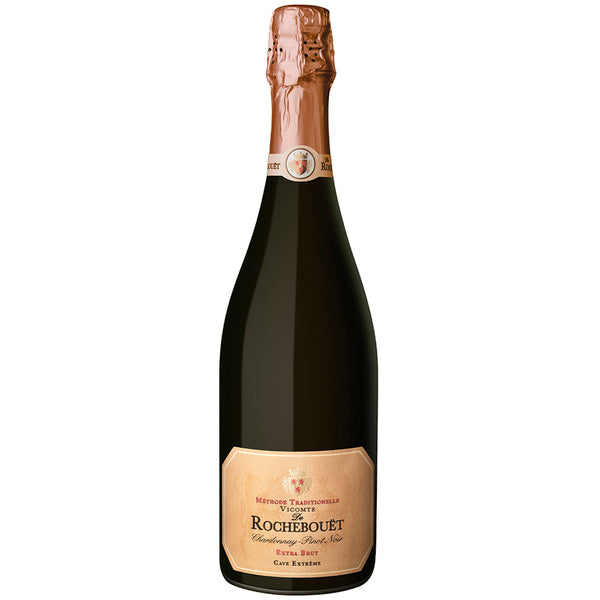
Atamisque - Vicomte de Rochebouet Extra Brut
An Argentinian traditional-method sparkling wine, fresh brioche and white flowers.

Bousquet - Virgen Malbec 2021
No added sulphites and no time in barrique: Malbec laid bare, full of fruit.
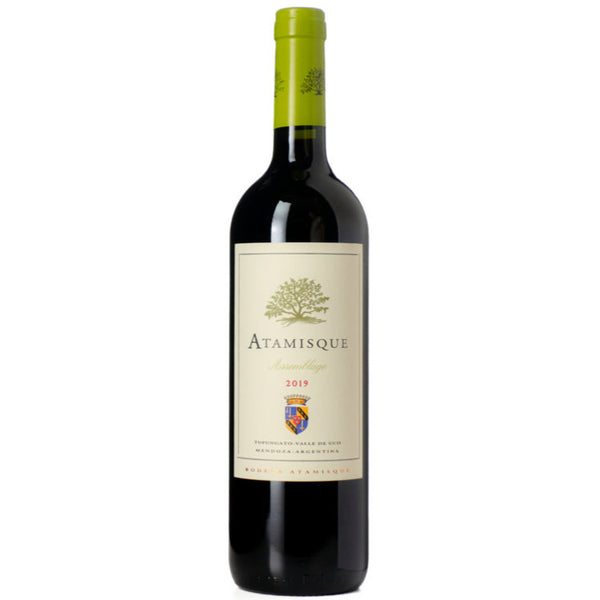
Atamisque - Atamisque Assemblage 2020
Atamisque's blend, black fruit and tobacco, with a decade ahead of it.
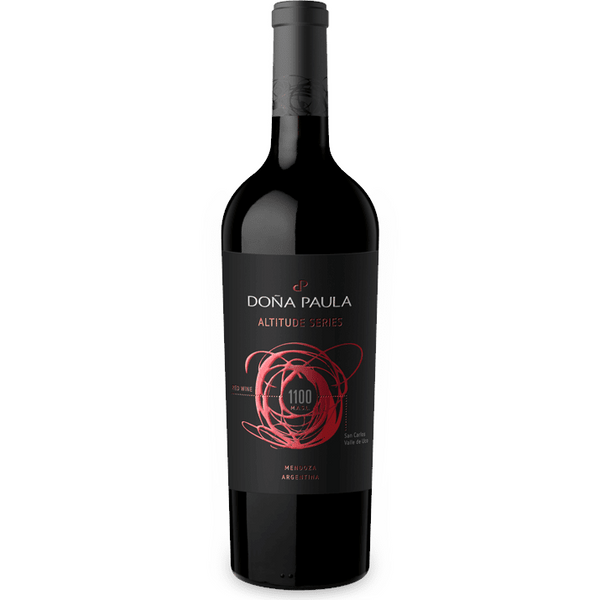
Doña Paula - Altitude Series 1100 2019
Malbec, Cabernet Sauvignon and Syrah come together to create this complex and balanced cuvée
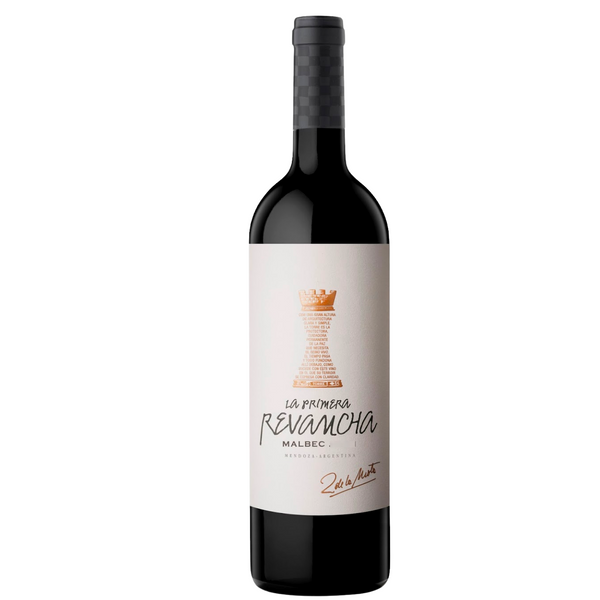
Revancha - Primera Revancha Malbec 2016
A Malbec with velvet tannins, from the best plots of the estate
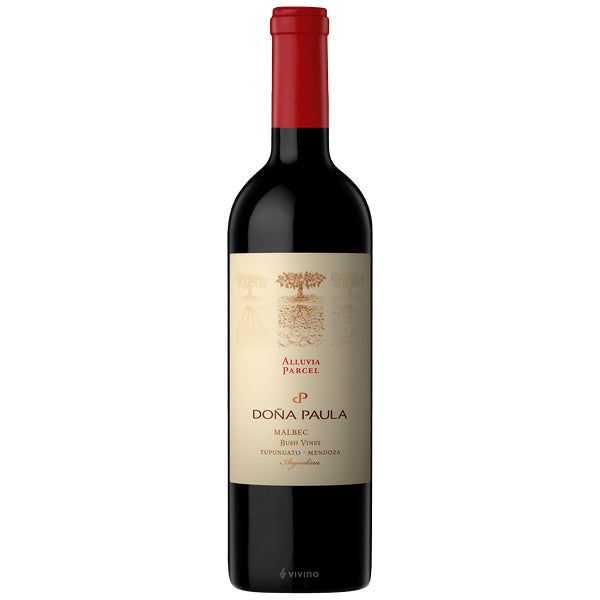
Doña Paula - Alluvia Malbec 2018
A single-parcel Malbec from the Uco Valley: dense, floral and built to last.
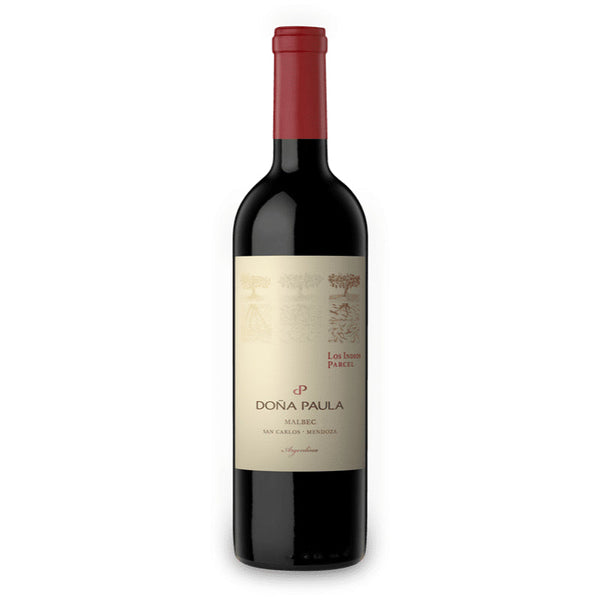
Doña Paula - Los Indios Malbec 2018
Cool-climate Malbec from El Cepillo, pepper and violet on a firm frame.
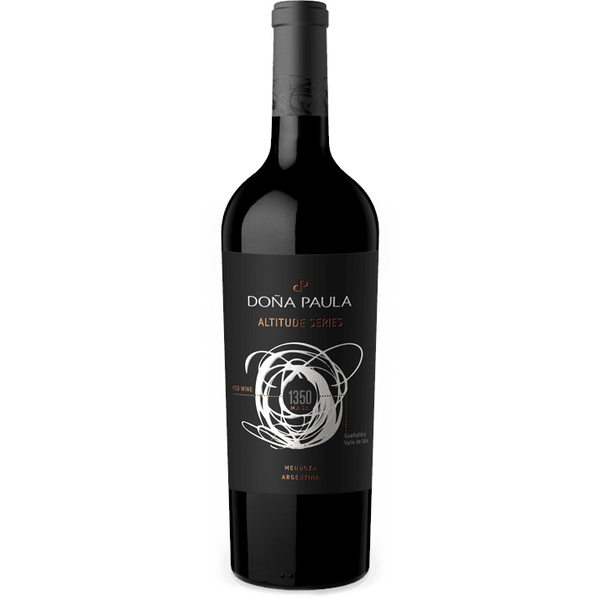
Doña Paula - Altitude Series 1350 2019
Malbec, Cabernet Franc and Casavecchia form a complex trio within the famous Gualtallary terroir
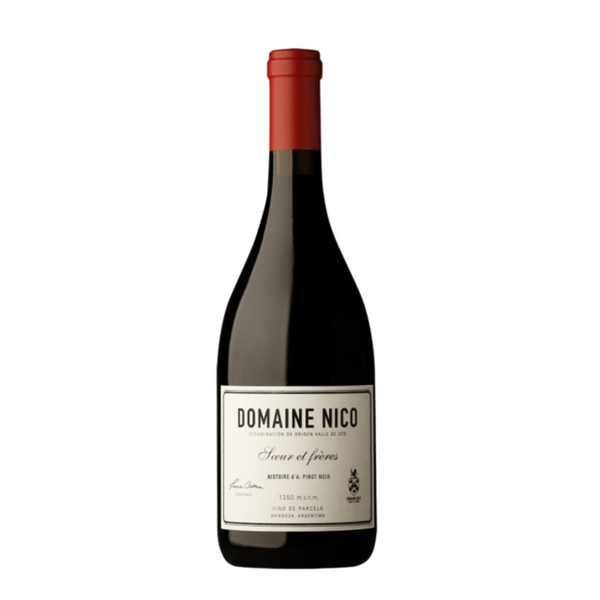
Domaine Nico - Histoire d'A Pinot Noir 2022
A fine and precise Argentinian high-altitude Pinot Noir, where Andean freshness meets Burgundian elegance.
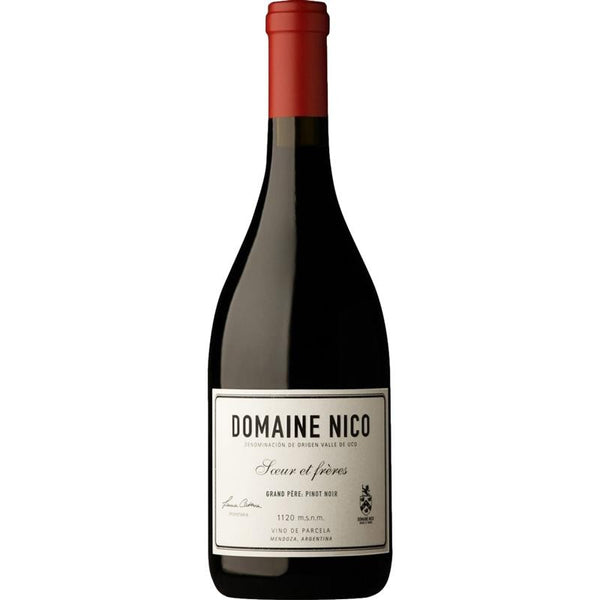
Domaine Nico - Grand Père Pinot Noir 2022
An Argentinian Pinot Noir from high altitudes, combining freshness, finesse and aromatic intensity.

La Rural - Rutini Antologia LIII 2018
A blend of the best grapes of the vintage, from a selection of 3 exceptional terroirs
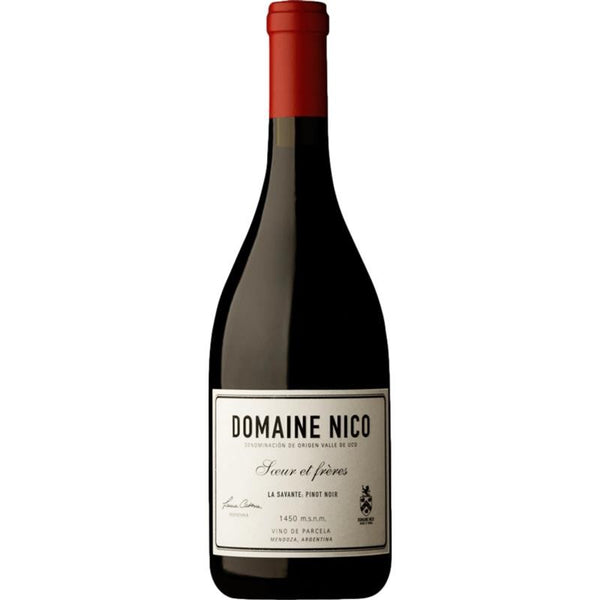
Domaine Nico - La Savante Pinot Noir 2022
An Argentinian high-altitude Pinot Noir that combines finesse, freshness and aromatic depth.
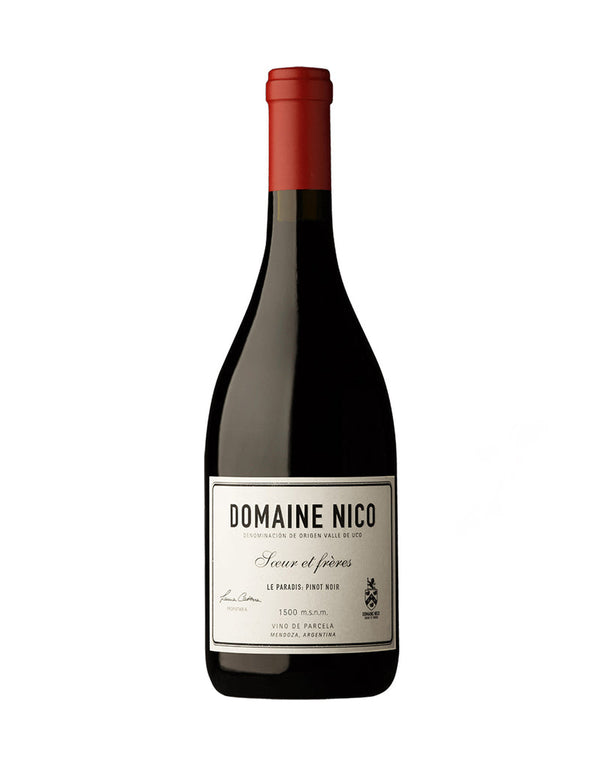
Domaine Nico - Le Paradis Pinot Noir 2018
An Argentinian high-altitude Pinot Noir combining aromatic finesse, freshness and elegant texture.

Catena Zapata - Adrianna White Stones 2023
A great Argentinian high-altitude Chardonnay, precise, mineral, and with remarkable tension.
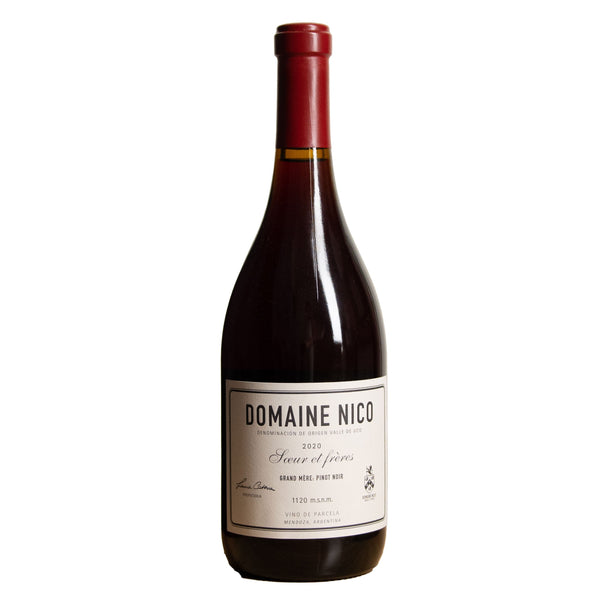
Domaine Nico - Grand Mere Pinot Noir 2022
An Argentinian high-altitude Pinot Noir that combines finesse, freshness and aromatic depth.

Catena - Alta Cabernet Sauvigon 2019
An Argentinian high-altitude Cabernet, combining aromatic intensity, Andean freshness, and an elegant structure.

Luca Wines - Beso de Dante 2019
An Argentinian red from high altitudes, combining Andean intensity, freshness and Bordeaux elegance.

Catena Zapata - Nicasia 2020
A high-altitude Malbec from Catena Zapata, combining aromatic intensity, Andean freshness, and textural depth.

Catena Zapata - Adrianna Fortuna Terrae 2022
A high-altitude Malbec of great finesse, where Andean freshness meets the depth of Gualtallary's limestone soils.

Catena Zapata - Adrianna White Bones 2023
A great high-altitude Argentinian Chardonnay, taut, mineral, and deeply marked by its Gualtallary limestone terroir.

Altos las Hormigas - Malbec Terroir Valle de Uco 2022
A precise and juicy high-altitude Malbec, where the freshness of the Uco Valley enhances the expression of the limestone terroir.

Catena Zapata - Adrianna River 2022
A high-altitude Malbec, precise and profound, that brilliantly expresses the unique minerality of the Adrianna vineyard.

Catena Zapata - Adrianna Mundus Bacillus Terrae 2021
A high-altitude Malbec, with rare mineral precision, that finely expresses the uniqueness of the Adrianna vineyard.

La Rural - Rutini Apartado Gran Malbec 2018
A dense and complex Malbec from a selection of 3 exceptional terroirs
The areas of the valley, from north to south
The valley is divided into three departments: Tupungato in the north, Tunuyán in the centre and San Carlos in the south. Within them, finer geographical indications have been delimited on the basis of soils rather than administrative boundaries. It is the first Argentine wine map drawn this way, alluvial fan by alluvial fan.
| Area | Altitude and soils | Grape varieties | What it means in the glass |
|---|---|---|---|
| Tupungato | 1,000 to 1,600 m, sandy alluvium on a bed of pebbles | Malbec, Chardonnay | The highest and coolest department. Crunchy fruit, clean acidity, never heavy. |
| Gualtallary | 1,200 to 1,700 m, pebbles coated in limestone, the famous tosca | Malbec, Chardonnay, Cabernet Francthe trio that made the sector's reputation | The valley's star area. Straight, saline wines with an almost chalky finish. |
| Tunuyán | 1,000 to 1,200 m, alluvial fans of the Río Tunuyán, deep gravels | Malbec, Cabernet Franc | The historic centre. More flesh and roundness than in the north, without losing freshness. |
| Los Chacayes | 1,100 to 1,500 m, granite boulders and pebbles at the foot of the Andes | Malbecon granite soils | A markedly floral nose, violet and pepper, fine tannin that lengthens without ever drying out. |
| San Carlos | 900 to 1,200 m, deeper soils, sand mixed with clay | Malbec, Semillón | The south of the valley, slightly warmer. Supple wines, ripe fruit, affordable. |
| Paraje Altamira | 980 to 1,150 m, rounded pebbles cemented by calcium carbonate | Malbec | Tight texture, noble bitterness mid-palate and a very recognisable saline finish. |
| La Consulta | 950 to 1,100 m, finer alluvium with some clay | Malbec, Semillón | The valley's longest-planted terroir. Black fruit, supple tannin, drink fairly early. |
| Vista Flores | 1,000 to 1,200 m, deep sands lying on a bed of pebbles | Malbec, Cabernet SauvignonBordeaux blends do well here | Fleshy, generous wines, made for the table rather than long ageing. |
Few labels carry the name of the geographical indication: many simply say Valle de Uco. The rest of the province can be found under Mendoza and Luján de Cuyo.
Who makes what in our section
The valley was planted late, mostly from the 1990s onwards. Hence a map of producers very different from that of Luján de Cuyo : long-established houses that came looking for freshness at altitude, and estates built from scratch on bare stone.
| Domain | What it does best | Price range | What sets it apart |
|---|---|---|---|
| Bousquet | Unoaked Chardonnay, easy-drinking Malbecthe valley's entry level | €10.50 to €33.00 | Planted in Gualtallary in 1997 by a family from Carcassonne, the estate is certified organic from vineyard to cellar. |
| Catena Zapata | The single-parcel wines of the Adrianna vineyardMalbec and Chardonnay from Gualtallary | €90.00 to €286.00 | White Stones and White Bones are two Chardonnays from two soils a few hundred metres apart. |
| Matías Riccitelli | Malbec and Chardonnay from limestone soilsfrom entry level to single-plot | €19.90 to €46.00 | Its Sobre Suelos Calcáreos range makes no secret of it: here, limestone has become a winemaker's selling point. |
| Domaine Nico | Pinot Noir, and nothing elseeach plot vinified separately | €39.80 to €330.00 | Laura Catena created this small estate in tribute to her grandfather Nicola, and plants nothing but Pinot Noir there. |
| Doña Paula | Malbec and Cabernet Franc blends a comparative reading of altitude | €24.00 to €76.00 | The Altitude series puts two planting heights side by side, 1,100 and 1,350 metres, in the same range. |
| Atamisque | Cabernet Sauvignon and blendsan extra brut too | €21.90 to €38.00 | A Tupungato estate that also makes a sparkling wine from Chardonnay and Pinot Noir, a rarity in the region. |
| Rutini | Blends for ageingMalbec, Cabernet Sauvignon, Cabernet Franc | €26.00 to €59.95 | Founded in 1885, the house makes Antología, a blend that sums up its know-how in the valley. |
| Altos Las Hormigas | A terroir Malbec without make-updeliberately discreet ageing | €28.40 | The estate bottles a Valle de Uco and a Luján de Cuyo separately, so you can compare two expressions of the grape. |
Zuccardi, Luca Wines, Revancha and E's Vino complete the selection as new stock arrives. The producers are also listed in our estate directory.
Limestone, what turned Malbec's reputation around
For a long time, the quality of Uco wines was explained by altitude alone. The real discovery came from the subsoil. Digging pits, winemakers found calcium carbonate deposits beneath the pebbles: the white crust that Argentinians call tosca in Gualtallary, and which cements the alluvial fan of Paraje Altamira.
This limestone changes everything. It holds little water, forces the roots to go deep, and gives small, thick-skinned berries. In the glass: acidity that holds, a fine bitterness mid-palate, and that saline finish missing from lowland Malbecs.
Why the nights matter
At 1,400 metres, the difference between day and night often exceeds fifteen degrees in summer. The vine works by day and rests at night: the tannins take their time to ripen while the acidity stays in place. It is this gap, more than the heat, that explains the freshness of the wines.
The Wine Wanderer Team
What we are asked about the Valle de Uco
Where is the Valle de Uco?
About a hundred kilometres south-west of the city of Mendoza, along the Andean foothills. It comprises three departments, Tupungato, Tunuyán and San Carlos, and forms the highest part of the province's vineyards. The rest of our Mendoza range is gathered in our section on Mendoza.
What exactly is Gualtallary?
An area of the Tupungato department, on the highest, stoniest fringe of the valley, where pebbles mix with the limestone deposits known as tosca. Its reputation was built in barely twenty years, and today it is home to the country's most expensive Malbecs and Chardonnays.
Does the Malbec here differ from that of Luján de Cuyo?
Clearly. Lower and warmer, Luján de Cuyo produces fleshy Malbecs with velvety tannins. At altitude, the same grape becomes straighter, with less jammy fruit and a saline finish. Altos las Hormigas puts both versions side by side under the same label.
What budget should you allow for a good bottle?
Allow between €20 and €40 a bottle for a serious estate Malbec: that is the heart of this section. Below €15, the cuvées are pleasant but simple. Above €100, you enter the single-parcel wines of Gualtallary, made for ageing.
Can I buy a single bottle?
Some of this section is sold by the bottle, the rest in lots of two or three bottles, or in cases of six. The format selector on each product page shows what is available for the cuvée you are viewing. The price shown then corresponds to the whole lot.
Why does Chardonnay do so well here?
Because altitude gives back what latitude takes away. The cold nights preserve its acidity, which collapses quickly in hot climates, and the limestone gives it tension. The most accomplished versions are more reminiscent of Burgundy than California. See also our section on Chardonnay.
And Cabernet Franc – is it a curiosity?
No, it is a genuine local success and plantings are growing fast. The grape needs ripeness to lose its green edge, and high-altitude sunshine provides it, without the excess heat that would weigh it down. It appears mainly in blends with Malbec, to which it adds depth and a peppery note.
How long do these wines keep?
The entry-level cuvées are drunk within three to five years, for their fruit. Estate Malbecs easily last eight to ten years. The single-parcel wines of Gualtallary and Paraje Altamira, more structured, often need five years in the cellar before opening up and will keep for more than fifteen years.
Which dishes should you serve them with?
High-altitude Malbec calls for grilled red meat and lamb, and its freshness can handle spicy dishes. The Pinot Noirs suit roast poultry and mushrooms, the Chardonnays oily fish and pressed cheeses. Serve the reds at around 16 degrees, the whites at around 11.
What should you discover next in our catalogue?
If altitude interests you, Salta climbs even higher, with its Torrontés and its Malbecs from the Valles Calchaquíes. For a cooler, more southerly style, take a look at Patagonia and its Pinot Noirs. The whole country is brought together on our page of Argentine wines, and the king of grapes on our page for Malbec.