
What wine goes with hard cheese (Comté, Beaufort)?
906 wines to serve with hard cheesesWith a hard cheese, serve a full-bodied, mineral white such as a Chardonnay, or a fine red with supple tannins: Pinot Noir, Nebbiolo or Sangiovese. The more mature the wheel, the more intense the wine can be, right up to a tawny Port for an aged Comté.
Comté, Beaufort, Abondance, tomme or Manchego share a melting texture and aromas of hazelnut, butter and dried fruit. Our wines from Italy, Spain, South Africa and Portugal go with this cheeseboard just right. Our wine and cheese pairing guide also covers the other cheese families.
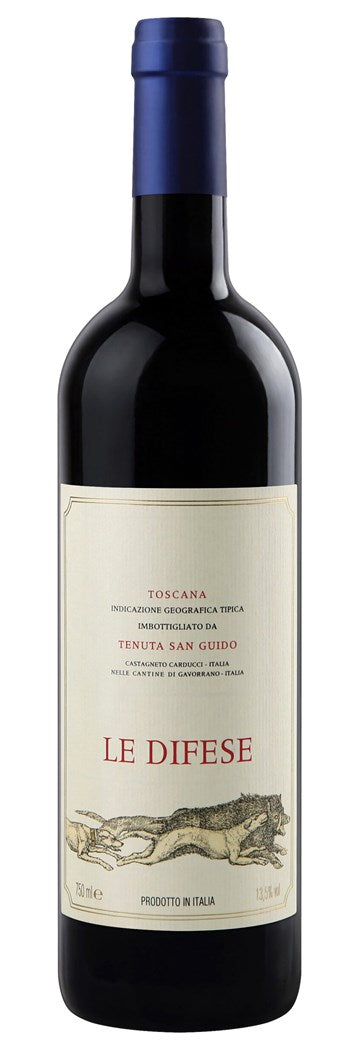
Tenuta San Guido - Le Difese 2023
A refined, delicious Tuscan wine, where Sangiovese meets the elegance of Cabernet Sauvignon.
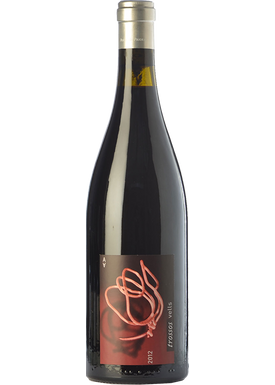
Portal del Priorat - Trossos Vells 2020
An intense, mineral Priorat, driven by the depth of old vines.

Tedeschi - Capitel San Rocco 2022
A generous Valpolicella Ripasso, between ripe fruit, spice and velvety elegance.
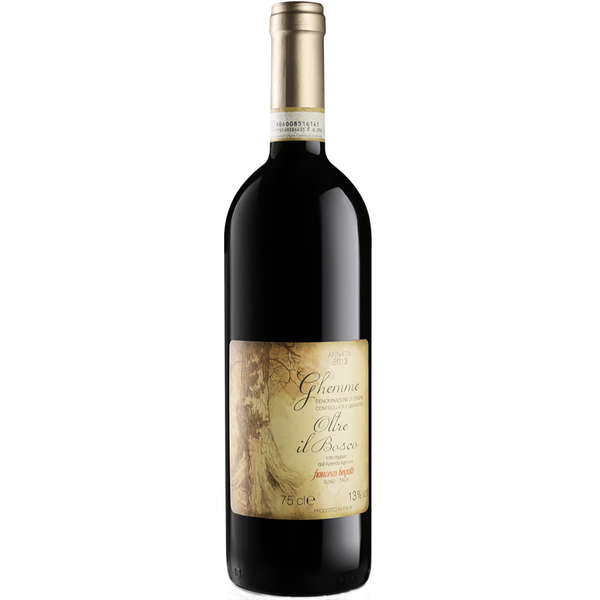
Francesco Brigatti - Ghemme Oltre il Bosco 2020
A great Nebbiolo from Ghemme, profound and distinctive, where alpine freshness meets an elegant structure and remarkable aromatic complexity.

Errázuriz - Max 2023
A precise and structured Chilean Cabernet Sauvignon, combining coastal freshness with the concentration of the Aconcagua terroir.

Marco de Bartoli - Riserva semi-dry 2004
A deep Marsala semisecco, where saline freshness balances oxidative richness.

De Alcohuaz - RHU 2018
A precise and vibrant high-altitude Andean red, where the freshness of the cordillera meets the depth of dark fruit.

Monteraponi - Chianti 2022
A high-altitude Chianti Classico, straight and vibrant. The finesse of Sangiovese carried by a mineral structure.

Tedeschi - Nicalo 2022
A generous, elegant Valpolicella, where ripe fruit meets sweet spice.
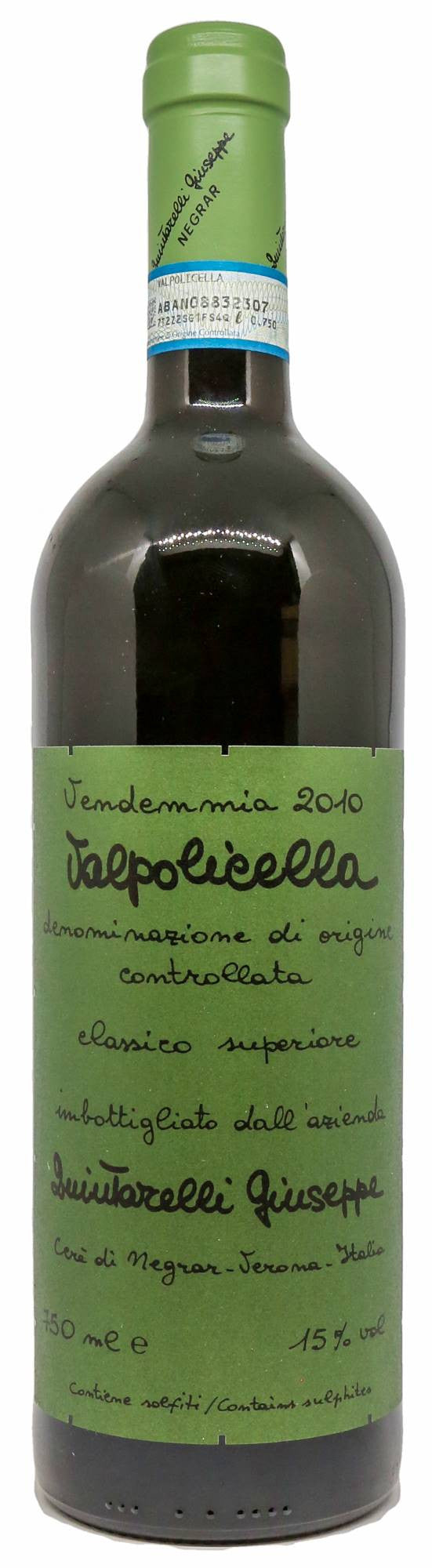
Giuseppe Quintarelli - Valpolicella Classico Superiore 2017
A deep and refined Valpolicella Classico Superiore, combining aromatic intensity, freshness, and length on the palate.

Heitz Cellar - Cabernet Sauvignon 2018
A Napa Valley Cabernet Sauvignon combining fruit purity, freshness, and depth, built for aging.

Dominio de Pingus - Flor de Pingus 2022
A great Ribera del Duero Tempranillo, combining depth, precision, and elegance in a silky texture.

Quinta da Carolina - Xisto Amarelo 2021
An intense, mineral Douro red, between ripe black fruit and schist relief.

La Spinetta - Barbaresco Bordini 2022
A precise and elegant single-vineyard Barbaresco, where the finesse of Nebbiolo meets the depth of the Neive terroir.

Giuseppe Quintarelli - Amarone della Valpo Tre Terre 2013
An Amarone of great depth, combining power, aromatic complexity, and elegant texture.

Ink Grade - Andosol Red Blend 2018
A structured and elegant Californian mountain red, where high-altitude freshness meets the depth of volcanic soils.

Giacomo Fenocchio - Barolo Cannubi 2020
A precise, structured Barolo with a strong sense of place, finely expressing the legendary elegance of Cannubi.

Macán - Macán Clásico 2021
A precise, silky Rioja Tempranillo, where fresh fruit meets the elegance of spice and oak.

Gaja - Ca'Marcanda 2020
A great Tuscan red from the coast, combining depth, elegance and aromatic precision.
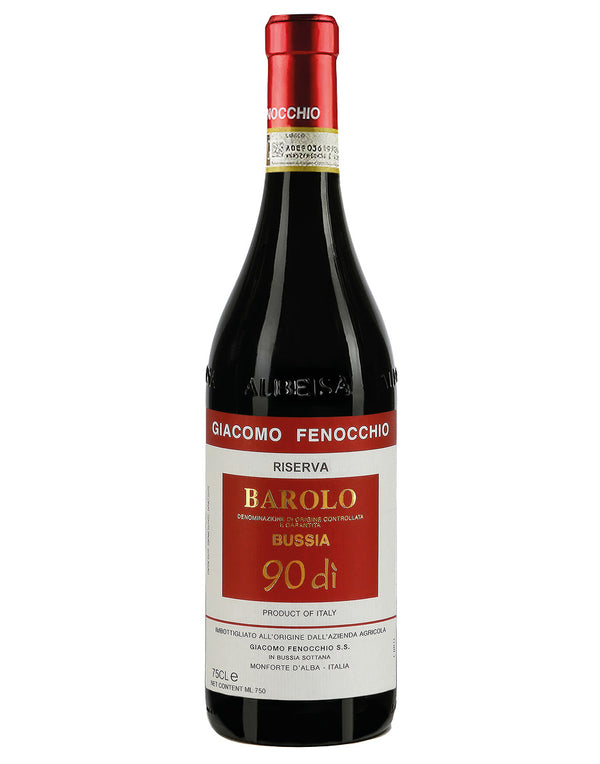
Giacomo Fenocchio - Barolo Riserva 90 di Bussia 2018
A deep and structured cru Barolo from Bussia, built for aging and fine dining.

Clos Mogador - Espectacle De Montsant 2022
A powerful Grenache from the Catalonian hillsides, at once robust, refined, and intensely expressive of the Montsant terroir.

Giuseppe Quintarelli - Rosso Ca del Merlo 2017
A big Valpolicella red, ample and deep, where aromatic finesse meets a velvety and persistent palate.

Ink Grade - Cabernet Sauvignon 2019
A structured and precise mountain Cabernet, intensely expressing the volcanic freshness of Howell Mountain.

Heitz Cellar - Martha's Vineyard 2018
An iconic Napa Valley Cabernet Sauvignon, combining menthol freshness, fruit depth, and elegant texture.
Which wine for which hard cheese?
Each hard cheese has its own character, from fruity Comté to crystalline Parmesan. Here are the pairings we recommend most often in the shop.
| Cheese | Wines to choose | Why it works |
|---|---|---|
| Young Comté fruity Comté, Abondance | Full-bodied Chardonnay, Piedmont white | The roundness of the white embraces the supple paste and its milky notes. |
| Aged Comté, summer Beaufort long-aged Comté, Beaufort Chalet d'Alpage | Oak-aged Chardonnay, tawny Port | Notes of toasted hazelnut and dried fruit answer each other from start to finish. |
| Tomme and Morbier Tomme de Savoie, Morbier, Saint-Nectaire | Supple Pinot Noir, Nebbiolo d'Alba | A fine, fresh red goes with the rind and its cellar and forest floor notes. |
| Cantal and Salers medium-aged Cantal, Salers, Laguiole | Tuscan Sangiovese (Chianti Rufina, Rosso di Montalcino) | The acidity of Sangiovese refreshes a dense, slightly tangy paste. |
| Sheep's milk cheeses Manchego, Ossau-Iraty, Idiazabal | Spanish Tempranillo, Grenache | The ripe fruit of the Spanish red extends the sweetness and nuttiness of sheep's milk. |
| Aged Mimolette and Gouda extra-aged Mimolette, aged Gouda | Tawny Port, Douro red based on Touriga Nacional | The caramelised character of the cheese calls for a wine with notes of dried fruit. |
| Parmesan and Pecorino Parmigiano Reggiano, Grana Padano, Pecorino | Nebbiolo, Aglianico del Vulture or Taurasi | The fine tannins and liveliness of the Italian red answer the salt and the crystals. |
| Melted cheese raclette, Savoyard fondue, tartiflette | Fresh, mineral Chardonnay, lively white | Hot cheese calls for freshness to keep every bite light. |
For a board mixing several hard cheeses, a full-bodied Chardonnay bridges the young wheels and the most mature ones.
White first, then red
Our take: with a Comté or a Beaufort, white wine often wins over red. The richness of the paste and its brown butter aromas find a natural echo in a full-bodied Chardonnay, from Burgundy or South Africa. White keeps the palate fresh and lets the cheese express itself fully.
Red becomes a lovely option when it plays on finesse. A Nebbiolo from Piedmont, like those from 460 Casina Bric, or a Tuscan Sangiovese from Fattoria di Basciano brings acidity and silky tannins, perfect with a tomme or Parmesan. To finish with an aged Comté, try a tawny Port from Quinta do Vallado: its notes of walnut and caramel extend those of the cheese with a lovely sweetness.
Three pairings to try
Alpine Beaufort and South African Chardonnay. The tension of the wine highlights the floral notes of summer milk.
Manchego and Tempranillo. Two Spanish classics that share ripe fruit and hazelnut.
Aged Mimolette and tawny Port. A caramel and dried fruit duo, ideal at the end of a meal.
The Wine Wanderer Team
Your questions about wine and hard cheeses
What red wine goes with Comté?
With Comté, choose a fine, fresh red: Pinot Noir, Nebbiolo or Sangiovese. Their silky tannins respect the melting texture of the cheese and their acidity balances its richness. Keep more structured reds for long-aged Comtés, whose hazelnut and forest floor aromas can take more substance.
White or red wine with hard cheese?
White wine pairs most easily with hard cheeses. A full-bodied Chardonnay or an aromatic Italian white answers the richness and buttery notes. Red also works when it stays light and supple, like a Pinot Noir. For a mixed board, a white bridges all the cheeses.
What wine goes with Beaufort?
Beaufort calls for a rich, mineral white, such as an oak-aged Chardonnay. This floral, slightly fruity Alpine cheese loves wines that combine roundness and freshness. A well-aged summer Beaufort also takes a supple Pinot Noir or, at the end of the meal, a white Port served chilled.
What wine goes with a hard cheese board?
For a hard cheese board, plan two bottles: a full-bodied white and a fine red. Chardonnay goes with young Comté, Abondance and tomme. A Nebbiolo or a Tempranillo takes over with Manchego, Cantal or Parmesan. Serve the cheeses from mildest to most mature, and the wines in the same order.
At what temperature should wine be served with Comté?
Serve white wine between 10 and 12 °C and red between 15 and 17 °C with Comté. Also take the cheese out of the fridge an hour beforehand: at room temperature, it releases all its aromas and the pairing gains in harmony. A tawny Port is best slightly chilled, at around 14 °C.
What wine goes with Parmesan or Manchego?
With Parmesan, a lively Italian red such as Nebbiolo or Aglianico works wonders; with Manchego, prefer a Spanish Tempranillo. In both cases, the acidity of the wine answers the salt and the small crystals of these aged cheeses. An aged Parmesan also goes very well with a tawny Port.