
Spätburgunder: German Pinot Noir versus Burgundy
5 bottles, from light reds to single-plot wines aged in barriqueA pale red, discreet tannin, crunchy cherry and a freshness that calls for the next glass: that is probably what you are looking for when you open a bottle of pinot noir, and Germany now delivers a very convincing version of it. The country is the world’s third largest producer of the grape.
Warmer summers have changed the game. The grape now ripens fully in the south of the country, in Baden, in the Pfalz and on the slate of the Ahr. Styles run from the light red served cool to the single-plot wine aged in barrel, cut out for the cellar.

Ziereisen - Tschuppen 2023
A beautiful expression of Pinot Noir full of elegance and flavors!
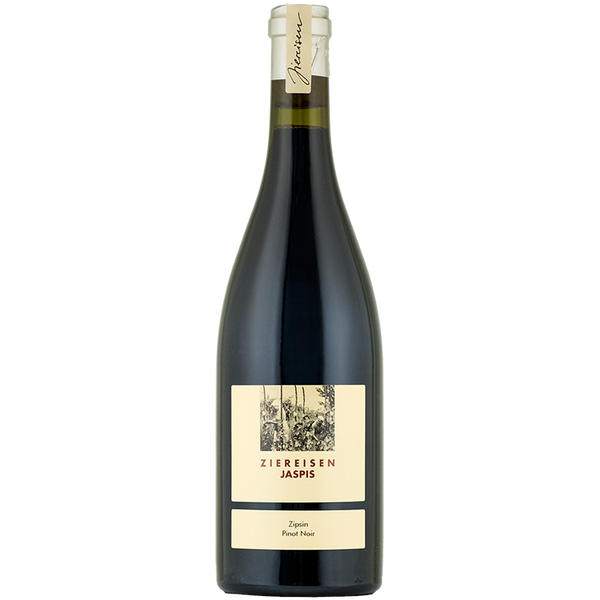
Ziereisen - Jaspis Zipsin Pinot Noir 2021
A Pinot Noir from a limestone terroir, precise and elegant, where the finesse of the fruit meets a deep and digestible structure.

Friedrich Becker - Kammerberg Spätburgunder 2018
A great Spätburgunder from limestone terroir, combining finesse, depth and aromatic precision.

Friedrich Becker - Becker Family Spätburgunder 2019
A precise and elegant Spätburgunder, where Schweigen's limestone soil imparts a finely structured red wine.

Koehler Ruprecht Saumagen - Spätburgunder Trocken 2020
A delicious and nervous German Pinot Noir, with notes of forest fruits
Where German Pinot Noir ripens
The grape occupies the south and the sheltered valleys, where the season stays long enough to bring the berry to full ripeness. Each terroir stamps its own style, from the supple, perfumed red to the firm, smoky wine.
| Region | Climate and soil | The wine's profile | Dinner's ready |
|---|---|---|---|
| Markgräflerland, southern BadenEfringen-Kirchen, facing Alsace | Mild and dry, limestone and marl | Precise red fruit, fine tannin, straight acidity | Roast poultry, mushrooms, fine charcuterie |
| Kaiserstuhl, Baden | Volcanic soil and loess, the warmest corner of the vineyard | Deep colour, black fruit, broad texture | Duck breast, lamb with herbs, pork chop |
| Südpfalz, PfalzSchweigen, straddling the border | Active limestone, marl and light clays | Cherry, forest floor, tight and long structure | Squab, veal sweetbreads, morels |
| Mittelhaardt, Pfalz | Coloured sandstone and limestone, a very mild climate | Ripe roundness, sweet spices, salty finish | Duck, roast pork, young Munster |
| Ahr | Slate and greywacke, a narrow, steep-sided valley | Smoky, pepper, tight tannin, great freshness | Game birds, beetroot, lentils |
| Assmannshausen, Rheingau | Red quartzite, the historic cradle of the grape variety | Classic style, firm tannin, long ageing potential | Braised beef, aged cheeses |
These are the same limestone soils that made the reputation of the Côte d’Or. Burgundy remains the grape’s benchmark, and Germany offers a fresher reading of it, often lighter in alcohol and more affordable.
Reference points for temperature, decanting and cellaring
These reds are better served cool, a notch below a bordeaux: their perfume opens between 13 and 16 °C. A quarter of an hour in the fridge before the meal is enough in most cases.
| Type of cuvée | Temperature | Aeration | Ageing after harvest |
|---|---|---|---|
| Light red aged in tank | 13 °C | Serve straight away | 2 to 4 years |
| Estate cuvée in used barrels | 14 °C | Open twenty minutes ahead | 4 to 8 years |
| Limestone plot aged in barrique | 15 °C | One hour in a decanter | 5 to 10 years |
| Grosses Gewächs from a great lieu-dit | 16 °C | Wide decanter, a good hour | 10 years and more |
| Slate Spätburgunder, Ahr style | 14 °C | Thirty minutes in a decanter | 5 to 12 years |
| Weissherbst, the rosé made from the grape | 10 °C | Serve straight away | 1 to 3 years |
Recent vintages are already a pleasure to drink, while the single-plot cuvées deserve patience. The full range, whites included, can be browsed from the wines of Germany page.
Which bottle to start with
From the midweek red to the single plot worth cellaring, here are four ways into this style and three neighbouring leads.
Start with a weekday red
Blackberry, graphite, spiced cherry and blueberry, twenty months in used barrels and native yeasts: a straight, easy-drinking Pinot Noir to serve cool.
Ziereisen Tschuppen 2023 · €21 per bottle, by the case of 6A dinner red cut out for the table
Schweigen limestone, straddling the Alsace border, malolactic and ageing in oak barrels: precise fruit, fine tannin, five to ten years of ageing potential.
Friedrich Becker Becker Family Spätburgunder 2019 · €32.60 per bottle, by the case of 6Moving up a notch towards terroir
Limestone and marl slopes of Efringen-Kirchen, whole bunches and gentle extraction: a slender, deep Pinot that will keep ten years in the cellar.
Ziereisen Jaspis Zipsin Pinot Noir 2021 · €84 per bottle, in a pack of 2A great bottle to lay down in the cellar
The Kammerberg lieu-dit, sitting on the Franco-German border, vinified in open vats with gentle punching down. Finesse, depth, and more than ten years ahead of it.
Friedrich Becker Kammerberg Spätburgunder 2018 · €140 per bottle, sold individuallyComparing with the French benchmark
The same grape variety on limestone, Burgundy version. Put two glasses side by side: the exercise teaches more than a long explanation.
Neighbouring section · Burgundy winesLooking for a low-tannin red
The light reds in the catalogue, from every country, for summer meals, vegetable dishes and cool serving.
Neighbouring section · Light red winesSee all of Germany's vineyards
The mainstay of the section: Mosel Rieslings, the sweetness scale explained and reds from the south, gathered on one page.
Section page · Wines of Germany
Why this red is reminiscent of a burgundy
Pinot noir reached Germany in the Middle Ages, carried by the same Cistercian abbeys that planted the Côte d’Or. There it found cousin soils, limestone in the south of the Pfalz, marl in Baden, and a higher latitude that preserves acidity.
For a long time that freshness gave pale, short reds, often sweetened. Two developments changed everything: warmer summers, which bring the berry to full ripeness, and a generation of growers who had spent time in Burgundy and brought back partial destemming, native yeasts and the three-hundred-litre barrel. The result tastes like a Burgundy village wine, at a lower degree of alcohol and a more measured price.
How do you choose
We taste every cuvée before listing it, and with these reds we look for two things: fineness of tannin and clarity of red fruit. A pinot noir that forces extraction or new oak stays in the cloakroom, however fine the label. We give priority to ageing in used barrels, which lets the fruit speak. The rest follows the terroir.
The Wine Wanderer Team
What we are asked about Spätburgunder
Spätburgunder and pinot noir: are they the same grape?
Yes, word for word: spätburgunder means late Burgundian, and refers to exactly the pinot noir of the Côte d’Or. The German name is a reminder that the berry ripens late in the season. Some labels carry the words Pinot Noir directly, particularly at estates that export, such as Ziereisen in the south of Baden.
Why are these bottles sold by the case or in packs?
The German estates we work with ship their cuvées by full case, and we keep that format to hold the price keen. The price shown on each listing is the bottle price, with the sales format right beside it. The Kammerberg from Friedrich Becker, though, can be bought singly, at €140 a bottle.
Is a spätburgunder sweet?
Serious German reds are dry, and the label confirms it with the word Trocken. The Prädikat mentions, Kabinett, Spätlese or Auslese, describe the ripeness of the grapes at harvest, not the final taste: a Spätlese Trocken is therefore still a dry wine. Residual sugar belongs above all to the whites on the Riesling page.
How long does a German Pinot Noir keep?
Allow two to four years for a light cuvée aged in tank, five to ten years for an estate cuvée aged in barrel, longer for a classified plot. The Becker Family and the Jaspis Zipsin hold five to ten years, the Kammerberg goes beyond a decade. Mosel rieslings live longer still.
What temperature should they be served at?
Between 13 and 16 °C depending on the density of the cuvée, a notch below a southern red. Served too warm, this grape loses its perfume and leaves the alcohol to the fore. A quarter of an hour in the fridge before the meal is enough, and the reference table gives the exact range for each style.
What is the difference from a red Burgundy?
Same grape, same family of limestone soils, but a higher latitude: the acidity stays livelier, the alcohol lower, the tannic frame finer. Red fruit dominates, the oak stays discreet, the finish gains in salinity. At comparable quality, the German price is often half as much.
Which dishes go with them?
Their light tannin and their freshness make them easy table wines: roast poultry, duck, pigeon, veal with mushrooms, fine charcuterie. The slate versions from the Ahr stand up to feathered game. On the vegetable side, think of pan-fried ceps, roast beetroot and lentils with bacon.
Should these reds be decanted?
A light cuvée can be drunk as soon as it is opened. A single-plot wine aged in barrel gains from an hour in a decanter, which unfolds the spice and softens the frame. For an older bottle, prefer a long opening to a brutal decanting: mature pinot noir gives up its perfume gently, then holds for several hours in the glass.
Which bottle should I start with?
Start with the Tschuppen from Ziereisen, at €21 a bottle by the case of 6: straight fruit, fine tannin, the style in its most readable form. Then move on to the Becker Family, at €32.60 a bottle, to measure the depth and length that the limestone of Schweigen brings.