
What wine goes with game? Our reds for venison and wild boar
395 wines to serve with gameWith game, serve a red with character and mellow tannins: Nebbiolo, Sangiovese, Syrah or Cabernet Sauvignon, ideally with a few years of bottle age. The forest floor and leather aromas of a mature wine answer the wild meat.
Game birds, more delicate, prefer a Pinot Noir or a Barbaresco. Ground game in a civet calls for a Barolo, an Amarone from Veneto or a Brunello di Montalcino. Italy takes a large place in our selection, alongside Spain, South Africa and the United States.

Duckhorn - Howell Mountain Cabernet Sauvignon 2018
A mountain Cabernet from Napa, dense and deep, with black fruit, cedar and cocoa.
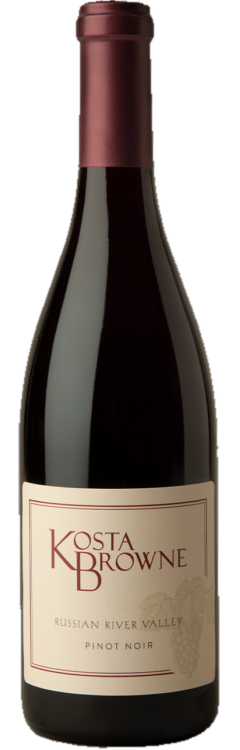
Kosta Browne - Russian River Valley Pinot Noir 2022
A Pinot Noir from the Russian River Valley, rich in black fruit and enlivened by lovely freshness.

Paternoster - Synthesi Aglianico del Vulture 2019
An Aglianico del Vulture that sums up its volcanic terroir: black fruit, pepper and velvety tannins.
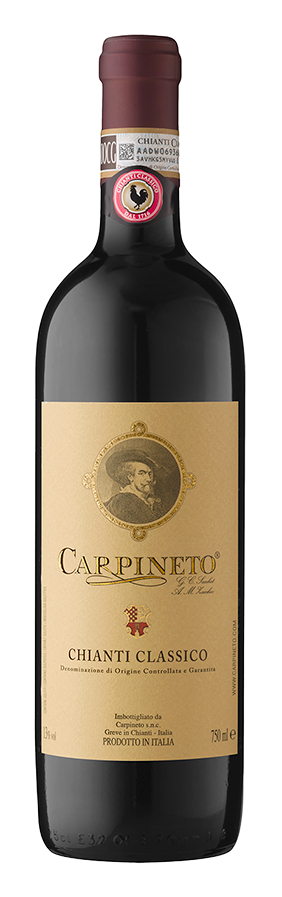
Carpineto - Chianti Classico 2024
A vinous, floral Chianti Classico with notes of violet, velvety, sapid and well structured.
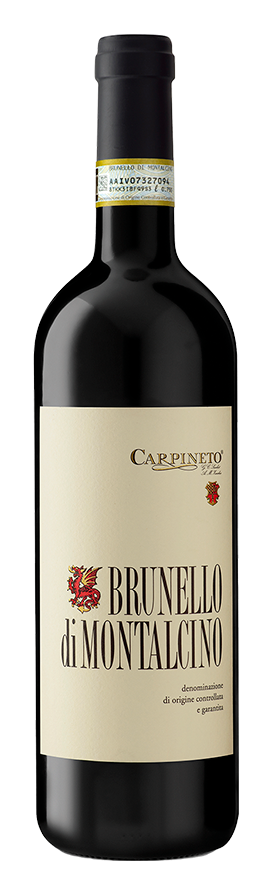
Carpineto - Brunello di Montalcino 2021
A Brunello from some of the highest-altitude vineyards in Montalcino, aged three years in large foudres.
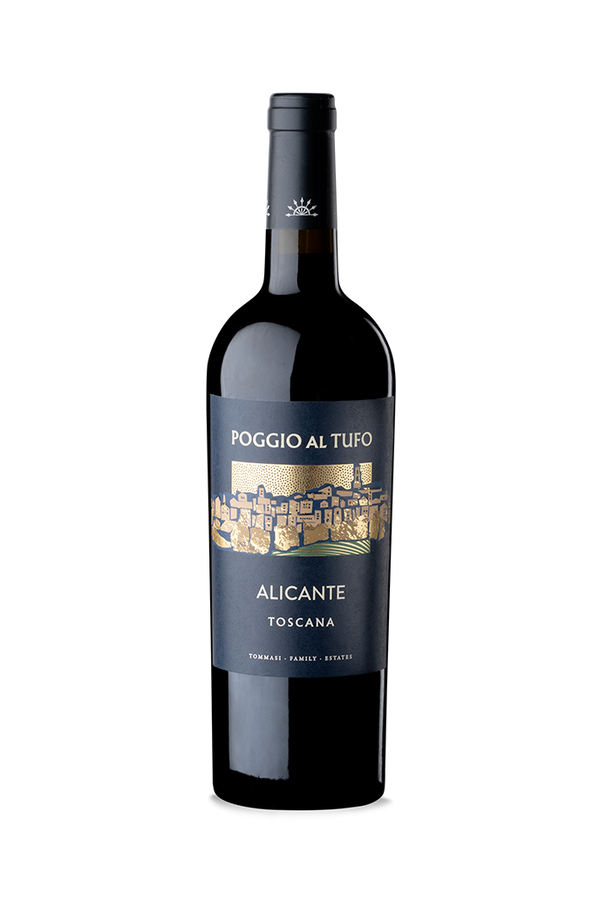
Poggio al Tufo - Alicante 2020
An Alicante from the Maremma with a sunny, Mediterranean character, aged 15 months in large Slavonian oak foudres.
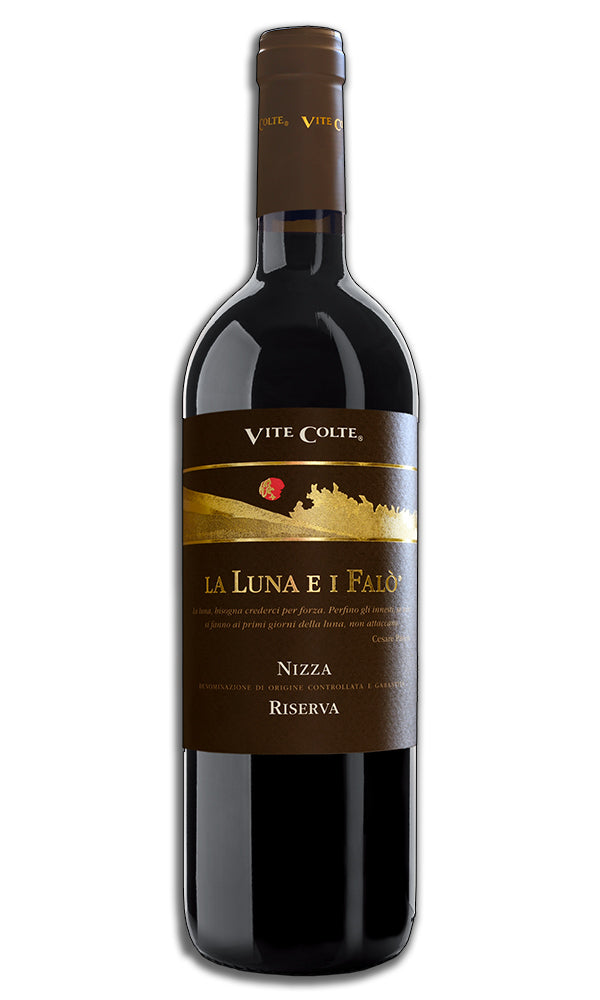
Vite Colte - Nizza Riserva La Luna e i Falò 2019
A low-yield Nizza Riserva, made only in great vintages, concentrated, elegant and deep.

Gianni Gagliardo - Barolo del Comune di Monforte d'Alba 2021
A village Barolo from Monforte d'Alba, a blend of two vineyards of opposite character, austere and deep.
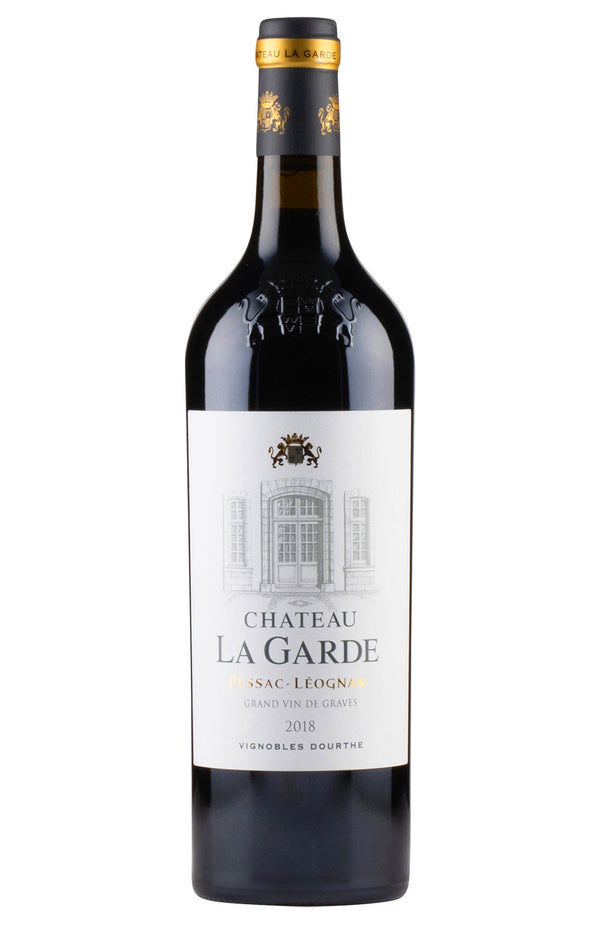
Vignobles Dourthe - Château La Garde 2018
A Cabernet Sauvignon-led Pessac-Léognan, powerful and smoky, with very fine tannins.

Vignobles Dourthe - Diane de Belgrave 2018
The second wine of Château Belgrave, a round and voluptuous Haut-Médoc with very fine tannins.

La Bastide Blanche - Bandol Rouge 2022
A Bandol with 81% Mourvèdre, biodynamic, with dense, smooth tannins, round and Mediterranean.
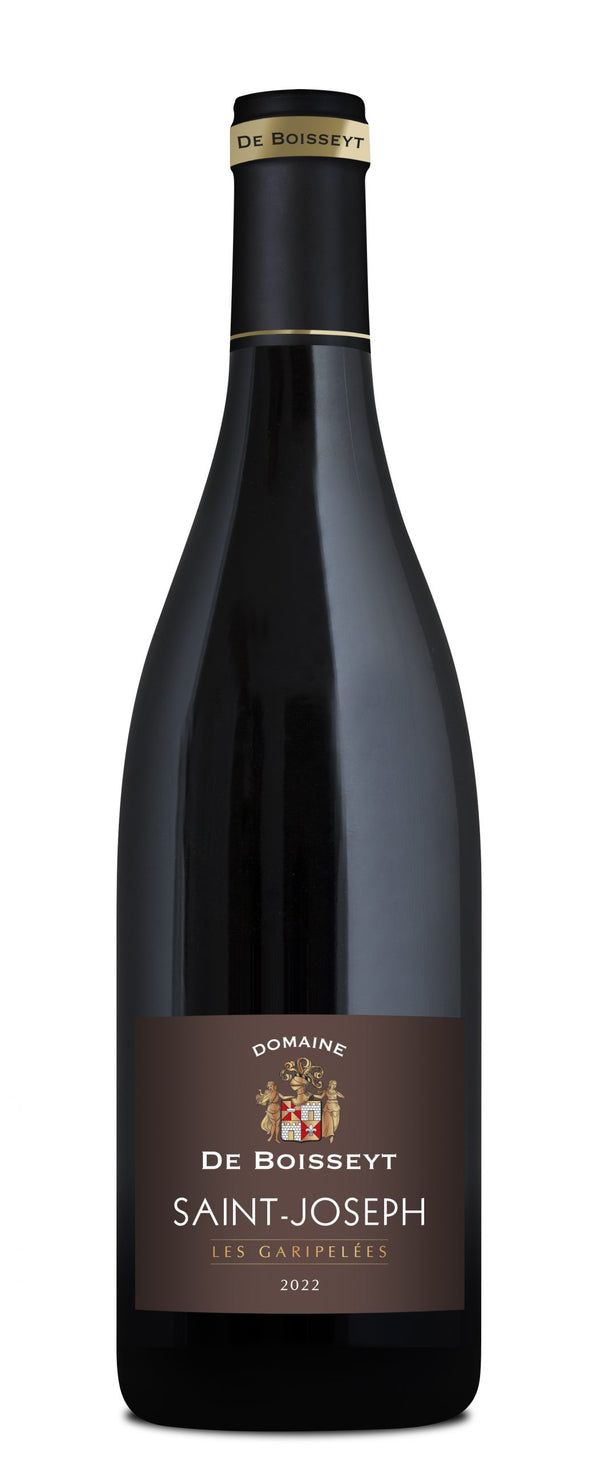
Domaine de Boisseyt - Saint-Joseph Les Garipelées Rouge 2022
Syrah from granite and gneiss soils in Chavanay, for an eloquent, perfectly balanced Saint-Joseph.
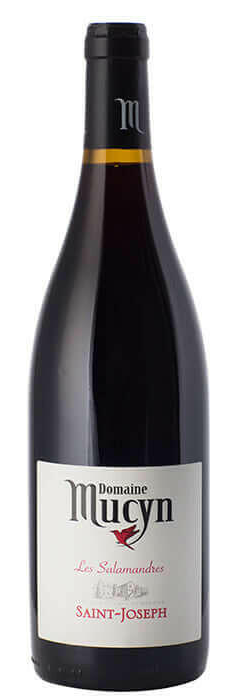
Domaine Mucyn - Saint-Joseph Les Salamandres 2023
A dense, peppery organic Saint-Joseph, with black fruit and violet, structured by fine tannins.

Château La Nerthe - Châteauneuf-du-Pape Cuvée des Cadettes 2022
The cuvée from La Nerthe's oldest vines: a dense, elegant Châteauneuf built for ageing.

Château La Nerthe - Châteauneuf-du-Pape Rouge 2020
The great red wine of Château La Nerthe, sunny and silky, remarkably balanced and with good ageing potential.

Domaine Les Sibu - Gigondas 2023
An organic Gigondas from old vines, ample and firmly structured, between ripe fruit, black olive and liquorice.

Vignerons des Terres Secrètes - Saint-Véran Croix de Montceau 2023
A south-facing lieu-dit in Prissé, for a brioche-scented, straightforward Saint-Véran with fine persistence.

Domaine Simon Gaudet - Corton Grand Cru Les Grandes Lolières 2020
A dense, precise Corton Grand Cru from sixty-year-old vines, between liquorice, aniseed and mocha.

Domaine Parent - Corton Grand Cru Les Renardes 2023
A powerful, fleshy Corton Grand Cru, with black fruit and wild mushrooms, of great persistence.

Domaine Parent - Pommard 1er Cru Les Chaponnières 2022
A generous Pommard premier cru, with fleshy raspberry and cherry fruit underlined by liquorice.

Domaine Parent - Pommard 1er Cru Les Épenots 2022
A great Pommard premier cru, dense and fine, where violet meets cherry and raspberry.

Domaine Parent - Pommard 1er Cru Les Chanlins 2022
A sensual, racy Pommard premier cru, with black fruit lifted by a floral and mineral touch.

Domaine Jacques Cacheux & Fils - Échézeaux Grand Cru 2022
An Échézeaux grand cru from the Orveaux and Cruots climats, aged in new barrels, deep, silky and mineral.

Domaine Jacques Cacheux & Fils - Nuits-Saint-Georges Au Bas de Combe 2022
A Nuits-Saint-Georges from the border with Vosne-Romanée, floral and fresh, with round, silky tannins.
Which wine for which game and preparation?
Game birds call for finesse, ground game for power. The sauce then refines the choice.
| Dish | Wines to choose | Why it works |
|---|---|---|
| Wild boar civet civet, wild boar daube | Barolo, Amarone, Valpolicella Ripasso | A blood-thickened sauce calls for a powerful, deep wine with mellow tannins. |
| Venison with grand veneur sauce medallions, fillet or haunch of venison | Syrah, Cabernet Sauvignon, Brunello di Montalcino | The poivrade sauce and red berries go well with the dark fruit and spice of the wine. |
| Roast pheasant pheasant, partridge, wild guinea fowl | Pinot Noir, Barbaresco | The delicate meat of game birds loves finesse and forest floor aromas. |
| Pigeon and quail pink squab, quail with grapes | Pinot Noir, Langhe Nebbiolo, Cornalin from Valais | Pink, flavourful meat calls for an elegant red with lively acidity. |
| Hare à la royale hare, jugged hare | Amarone, appassimento, mature Barolo | A rich, intense dish calls for the most concentrated of reds, with notes of dried fruit. |
| Roast venison roast, venison steak | Cabernet Franc, Merlot, Pinotage | Lean, pink meat appreciates a supple wine with fine tannins and fresh fruit. |
| Game terrine venison pâté, pheasant terrine | Chianti Riserva, Ruchè, Rosso di Montalcino | Served cold, the terrine goes well with a fresh, spicy, easy-drinking red. |
The more the game is hung or marinated for a long time, the more the wine benefits from age.
Italy, land of hunting and great reds
For game, our favourites come from Italy. Piedmont's Nebbiolo, in a Barolo or a Barbaresco, blends cherry, faded rose, truffle and leather: an obvious match for a wild boar civet or roast venison. With a few years of ageing, like the Barolo Bricco delle Viole from 460 Casina Bric, its tannins become silky and wrap around the meat.
In Veneto, Corvina and Rondinella give Amarone, made from dried grapes. The one from Zeni, rich in dried fruit and spice, is an ideal match for hare à la royale. For a simpler meal, a Valpolicella Ripasso offers the same character with more lightness. And in Tuscany, the Sangiovese of Tricerchi's Brunello brings welcome freshness against the richest sauces.
Three pairings to try
Wild boar civet and Barolo. The depth of Nebbiolo answers the sauce made with wine and blood.
Pheasant with cabbage and Barbaresco. A more ethereal Nebbiolo for delicate meat.
Venison terrine and Ruchè. The floral, peppery notes of this Piedmontese red refresh the starter.
The Wine Wanderer Team
Your questions about wine and game
What wine goes with wild boar civet?
With a wild boar civet, serve a powerful, mature red: Barolo, Amarone or a Cabernet Sauvignon with a few years of age. The sauce, thickened with blood and wine, calls for depth and mellow tannins. A Valpolicella Ripasso offers a more accessible version of this pairing.
What red wine goes with venison?
With venison, choose a spicy red with dark fruit, such as a Syrah, a Brunello di Montalcino or a Cabernet Sauvignon. Grand veneur sauce, with its berries and pepper, finds a natural echo in these wines. For more ideas, see our guide what wine goes with game.
What wine goes with pheasant or partridge?
For a pheasant or a partridge, serve a fine, elegant red: Pinot Noir from Burgundy or elsewhere, Barbaresco, or Langhe Nebbiolo. Game birds have delicate meat that prefers finesse to power. An oaked Chardonnay also works for pheasant in a cream sauce.
Can you serve white wine with game?
Yes, a white wine can go with some game birds, especially in a creamy or mushroom sauce. In that case choose a rich, oaked white, such as a barrel-aged Chardonnay or a wine with a broad texture. For ground game and red wine sauces, red remains the best choice.
Should you decant wine for game?
Yes, decant a young, powerful red one to two hours before a game dish: its tannins soften and its aromas open up. For a mature wine, simply decant it just before serving, to preserve its delicate forest floor notes. For more serving tips, see our food and wine pairing page.
At what temperature should wine be served with game?
Serve powerful reds for game between 16 and 18 °C, and finer reds, intended for game birds, at around 15 °C. A controlled temperature keeps the wine fresh and precise against rich sauces. Open the bottle in advance to give it time to breathe.