
Burgundy wine: a map of the climats, from village to grand cru
125 bottles, from €13.90 to €199.90The section brings together wines from €13.90 to €199.90, with a median of €35.00. They are spread across four areas: the Côte de Beaune, the Côte Chalonnaise and the regional appellations, the Côte de Nuits and the Hautes Côtes de Nuits. Two grape varieties do almost everything: Pinot Noir for the reds, Chardonnay for most of the whites, including a few crémants. Rosé completes the section.
The heart of the selection lies in the Côte d'Or and the Côte Chalonnaise, with a foray into the Mâconnais for whites. The first table explains the hierarchy of appellations, which drives the price far more than the vintage or the estate. The second separates the areas, from the north of the Côte de Nuits to the hills of the Hautes Côtes.
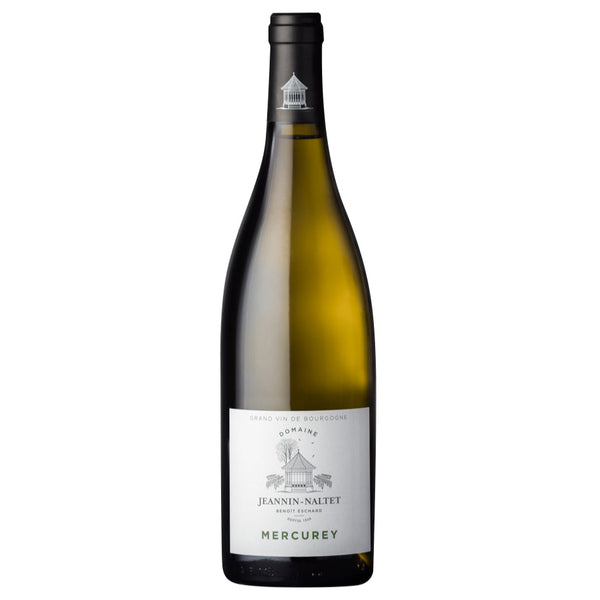
Domaine Jeannin-Naltet - Mercurey Blanc 2023
A stony white Mercurey, with pear and the toastiness of the barrel in perfect balance.

Domaine Vincent Prunier - Monthélie 1er Cru Les Duresses Rouge 2020
Monthélie premier cru: cherry and blackberry on firm tannins that time will polish.
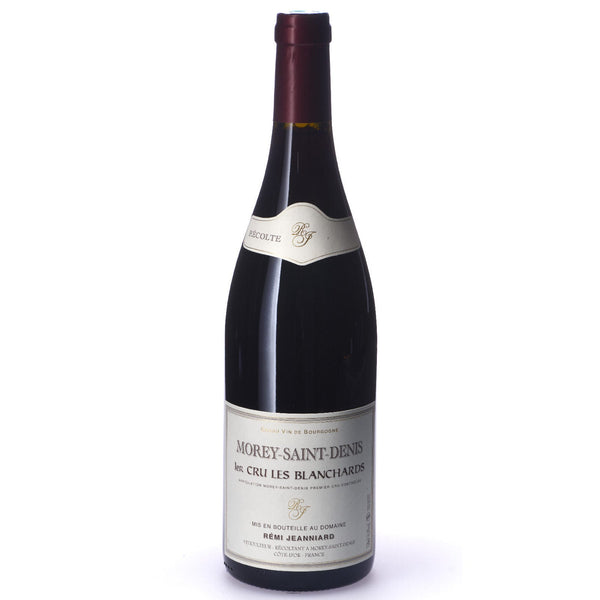
Rémi Jeanniard - Morey-Saint-Denis 1er Cru Les Blanchards Rouge 2023
Blackcurrant, leather and tobacco: an old-vine premier cru made for the cellar.
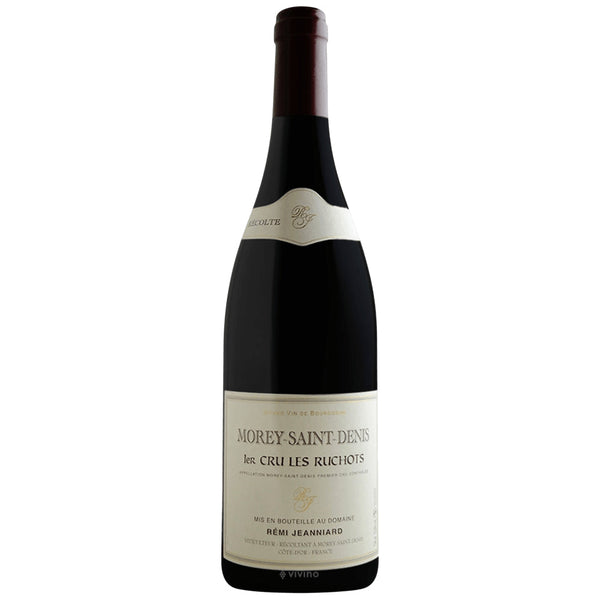
Rémi Jeanniard - Morey-Saint-Denis 1er Cru Les Ruchots Rouge 2023
Les Ruchots, a Morey-Saint-Denis premier cru: violet and truffle on silky tannins.

Rémi Jeanniard - Morey-Saint-Denis Vieilles Vignes Rouge 2023
Blackcurrant and truffle: old vines from Morey with a velvety palate.
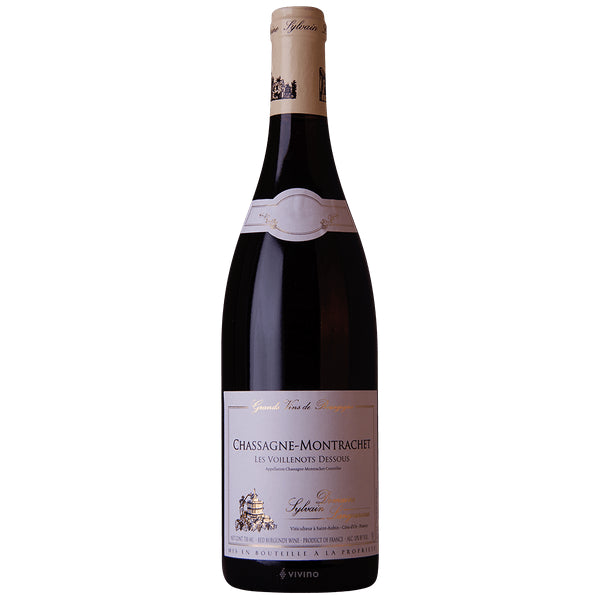
Sylvain Langoureau - Chassagne-Montrachet Voillenots Dessous Rouge 2022
A red Chassagne, cherry and raspberry on fine tannins, going against the grain.

Sylvain Langoureau - Saint Aubin 1er Cru Le Champlot Blanc 2024
Le Champlot as a premier cru: chalky minerality, almond and ripe peach.
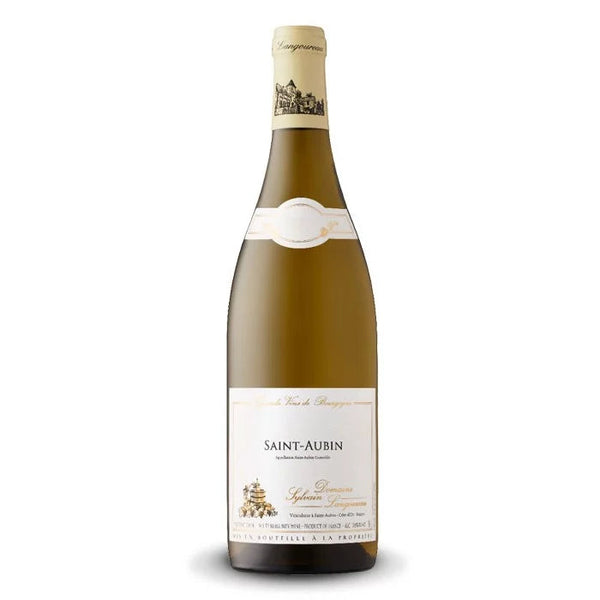
Sylvain Langoureau - Saint Aubin Blanc 2022
White flowers and hazelnut, a mineral Saint-Aubin that stays lively to the very end.
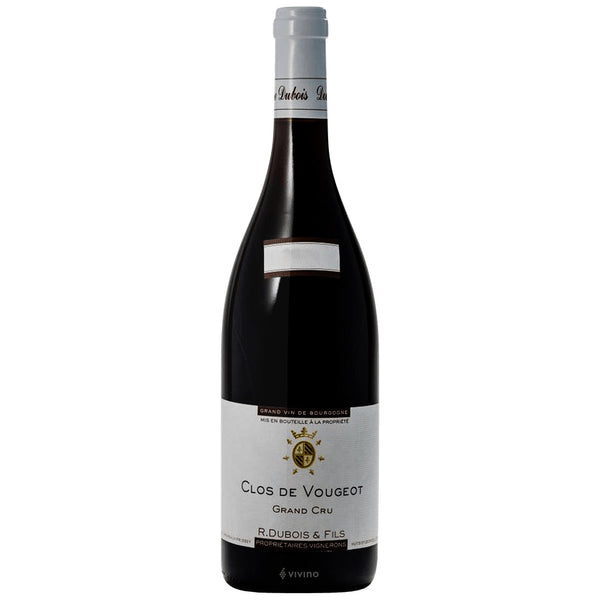
Domaine Dubois - Clos de Vougeot Grand Cru 2020
A Clos de Vougeot grand cru: truffle and forest floor over powerful tannins.
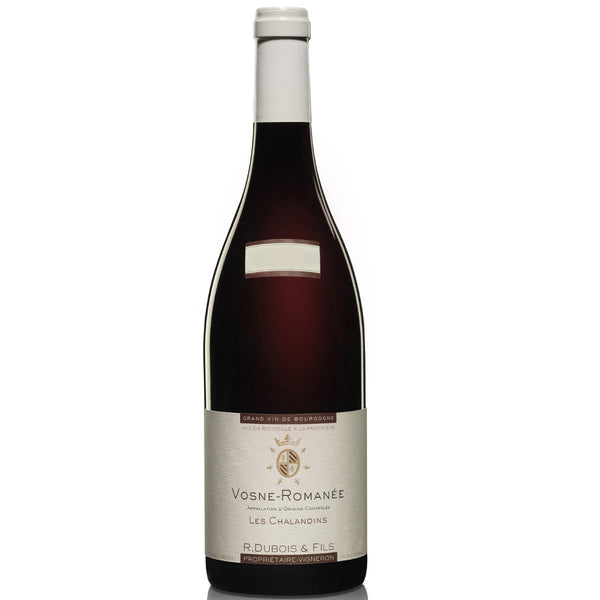
Domaine Dubois - Vosne-Romanée Chalandins 2022
Vosne-Romanée Aux Chalandins: black cherry and violet on a silky frame.
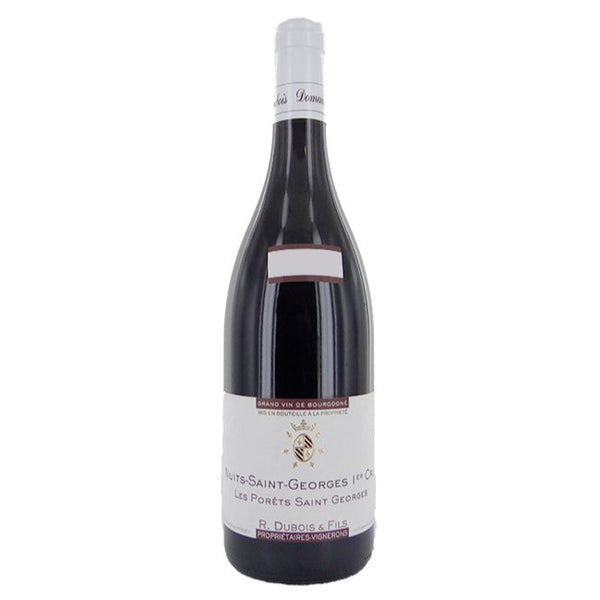
Domaine Dubois - Nuits-Saint-Georges 1er Cru Rouge Les Porets St Georges 2022
Ripe cherry and liquorice: the power of Nuits-Saint-Georges with fine tannins.
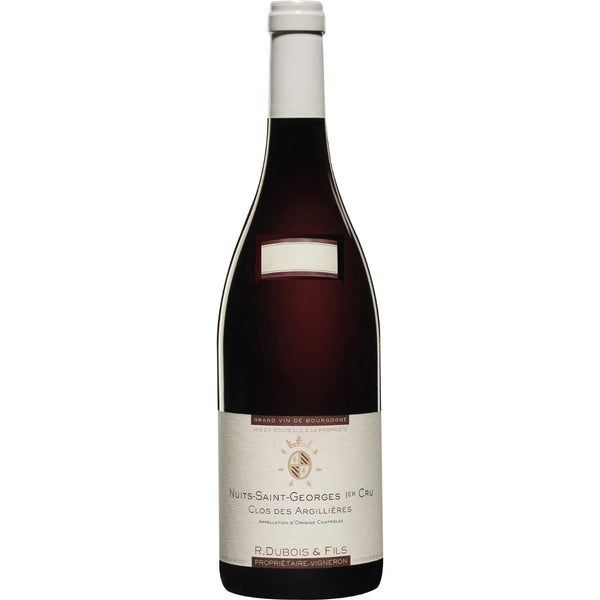
Domaine Dubois - Nuits-Saint-Georges 1er Cru Rouge Clos des Argilières 2020
Blackberry, violet and tobacco: a Nuits premier cru built for long ageing.
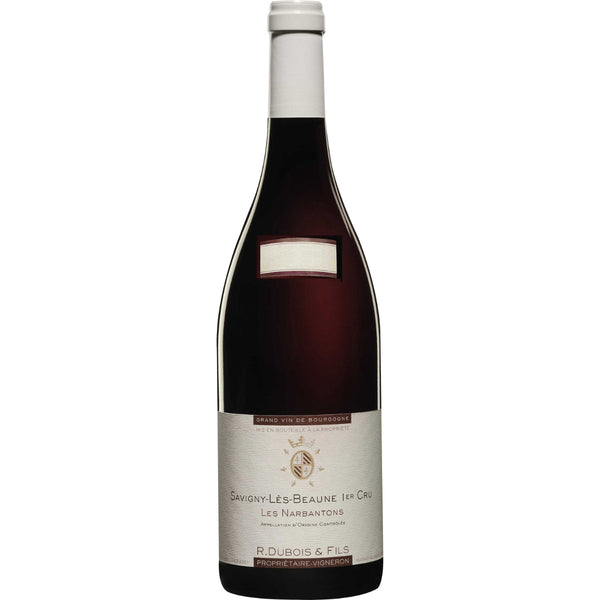
Domaine Dubois - Savigny Les Beaune 1er Cru Rouge Les Narbantons 2023
Morello cherry and truffle, a dense premier cru where roasted coffee shows through on the finish.
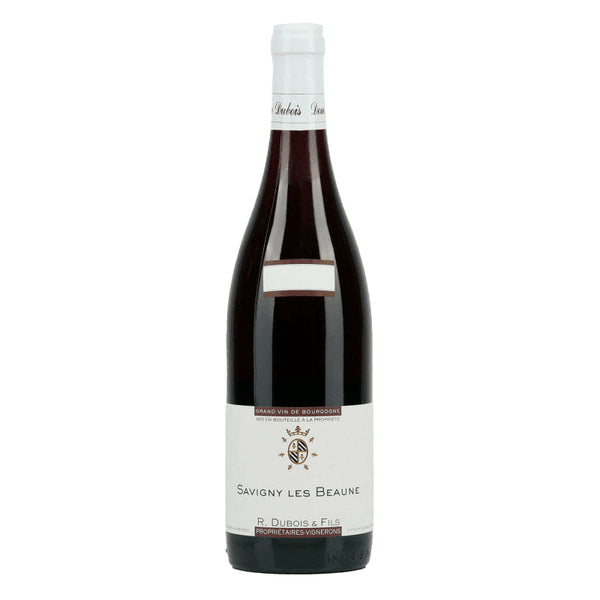
Domaine Dubois - Savigny Les Beaune Rouge 2021
Violet and pepper over vibrant red fruit: Savigny in its usual finesse.
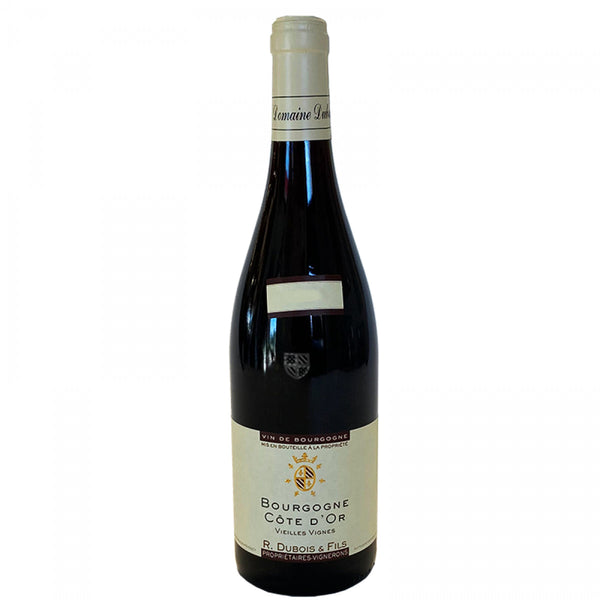
Domaine Dubois - Bourgogne Côte d’Or Issu de Vieilles Vignes Rouge 2023
Old vines in the Côte d'Or: cherry and forest floor carried by fine tannins.
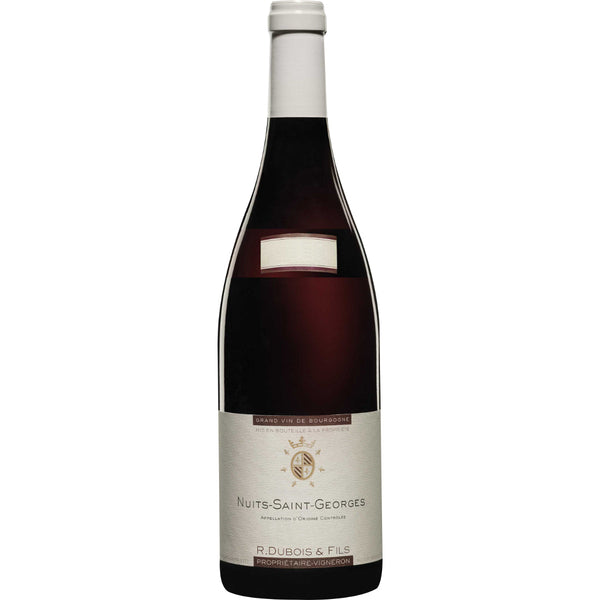
Domaine Dubois - Nuits-Saint-Georges Rouge 2023
Blackcurrant and black cherry with a hint of tobacco: Nuits-Saint-Georges in its structured style.
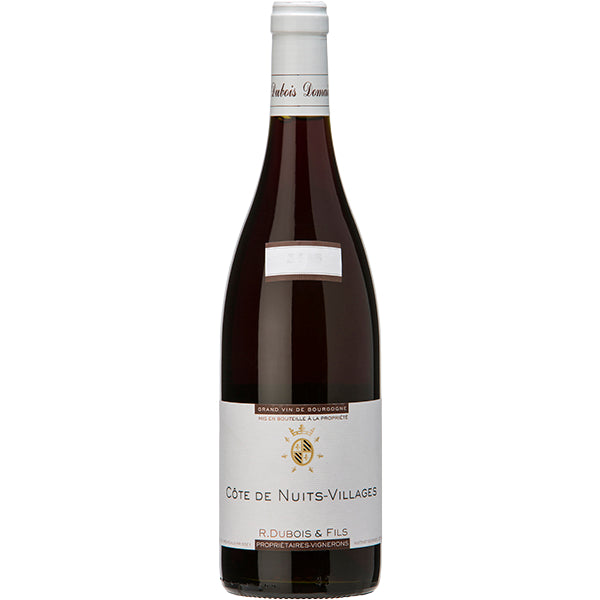
Domaine Dubois - Côtes de Nuits Villages Rouge 2022
Cherry and violet with a touch of liquorice: Côtes de Nuits Villages in its classic attire.

Domaine Dubois - Côtes de Nuits Villages Les Monts de Boncourt Blanc 2022
Flint and candied lemon, a structured white from the Côtes de Nuits.
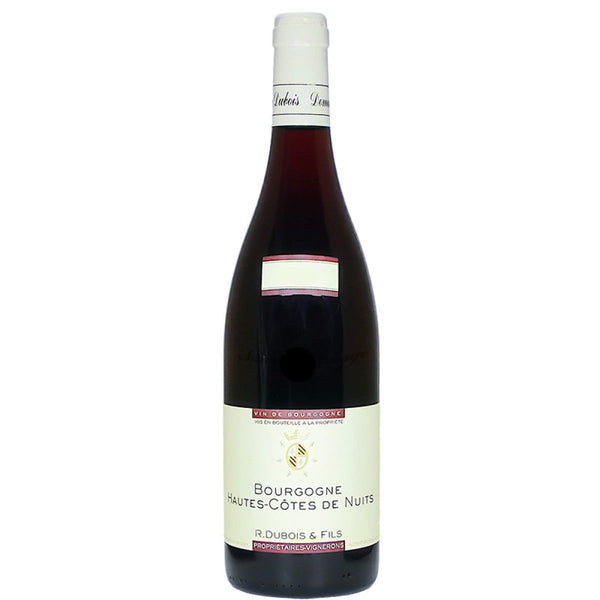
Domaine Dubois - Bourgogne Hautes-Côtes de Nuits Rouge 2024
Cherry, blackcurrant and forest floor: a high-altitude Pinot Noir with a silky texture.

Domaine Dubois - Bourgogne Hautes-Côtes de Nuits Blanc 2023
Pear and apple on a lively palate: Hautes-Côtes Chardonnay with no frills.
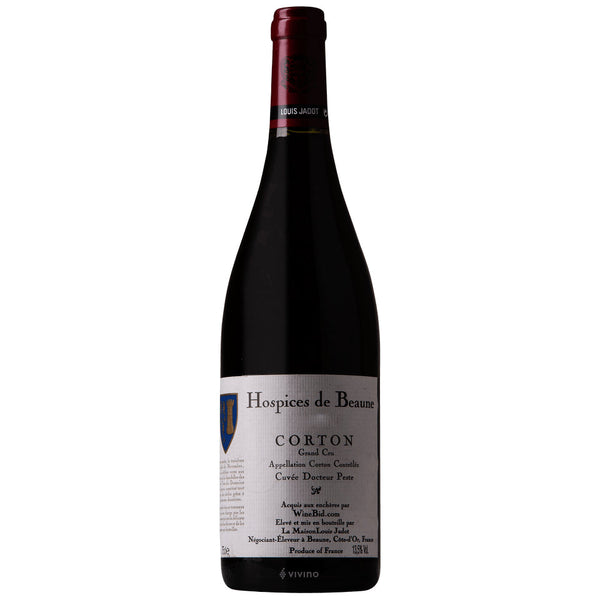
Hospice de Beaune - Corton Grand Cru Cuvée Docteur Peste 2013
A Corton grand cru at maturity: black fruit, leather and tobacco.

Hospice de Beaune - Meursault-Charmes 1er Cru Albert Grivault 2013
Meursault-Charmes premier cru: peach and hazelnut on a creamy palate.

Trapet-Rochelandet - Gevrey-Chambertin Vieilles Vignes 2023
Old vines from Gevrey-Chambertin, blackberry and leather carried by a silky tannin.

Olivier Guyot - Marsannay Rosé Fleur de Printemps 2022
Fleur de Printemps lives up to its name: strawberry and cherry on a lively, light palate.
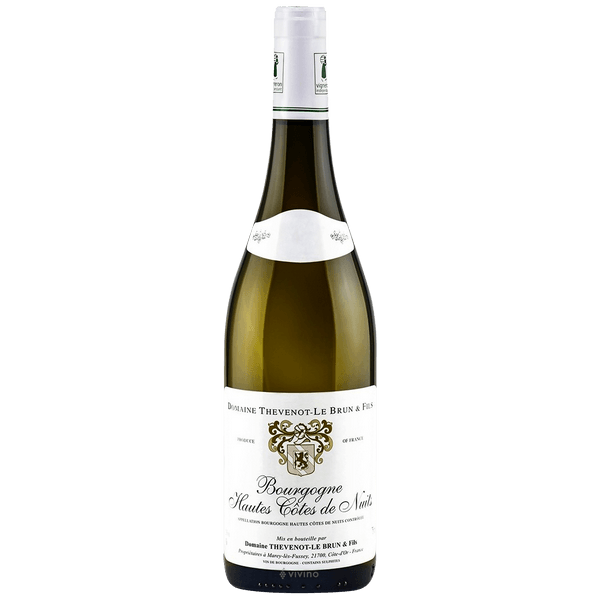
Thevenot Le Brun - Hautes Côtes Nuits blanc "Clos du Vignon" 2019
This Chardonnay is a subtle wine which fully expresses the aromas of white fruits, sweet almond and caramel.
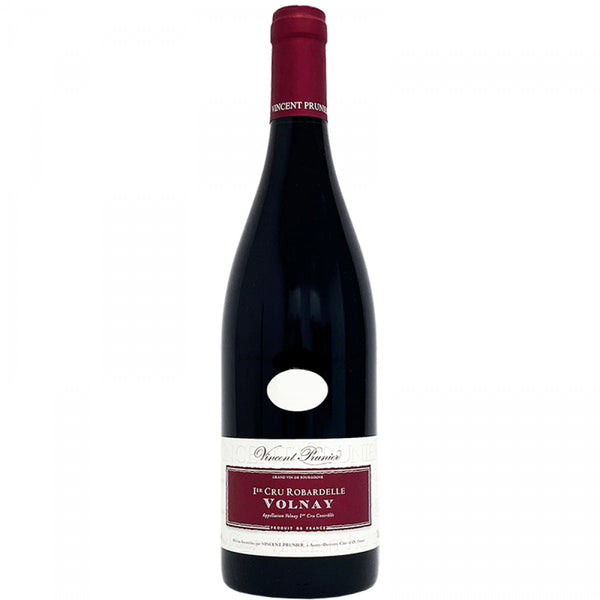
Domaine Vincent Prunier - Volnay 1er Cru Robardelle Rouge 2017
Robardelle as a premier cru: violet and pepper on a velvety tannin typical of Volnay.

Domaine Vincent Prunier - Chassagne Montrachet Rouge 2020
Strawberry and black cherry: the roundness of a red Chassagne with silky tannins.

Domaine Bonnardot - Hautes Côtes de nuits Rosé 2023
Pinot Noir rosé, raspberry and redcurrant, tightened by a fine minerality.

Four tiers of appellation, from regional to grand cru
In Burgundy, the label does not name an estate or a grape variety: it names a boundary of land, and that boundary narrows as the price rises. A regional appellation covers the whole region, a grand cru sometimes covers just a few hectares. It is the only system you need to have in mind before buying, because it explains almost the entire gap between a bottle at €14.90 and a bottle at €195.00.
| Tier | What it delimits | What it changes in the glass | In our cellar |
|---|---|---|---|
| Regional appellationBourgogne, Aligoté, Crémant, Hautes-Côtes | The whole region, or a large area of hillsides. The grapes can be blended from several communes. | Direct fruit, short tannins, clean acidity. Drink young, within two to four years. | From €13.90 to €28.90 |
| Village Rully, Mercurey, Ladoix, Volnay, Meursault | The territory of a single commune. The village name replaces that of the region on the label. | A character recognisable from one village to the next, more substance and length. | From €21.00 to €105.00 |
| Premier cru Les Naugues, Les Cras, Le Champlot, Les Ruchots | A classified plot within the village, named on the label after the name of the commune. | More density and tannin, fruit that closes up for a year or two before opening. Five to ten years of ageing potential. | From €29.90 to €188.00 |
| Grand cru Corton, Corton-Vergennes, Clos de Vougeot | A parcel that bears its own name alone, without the village's. They are few in number and all located in the Côte d'Or. | Concentration and length on the palate, but also a closed youth that calls for patience or a decanter. | From €99.90 to €199.90 |
The ranks overlap more than you might think: the cheapest premier cru in the section, the Rully 1er Cru Champs Cloux de Duvernay at €29.90, costs half as much as a village wine such as the Meursault Les Clous du Domaine de la Roche Aiguë at €66.00. So rank alone is not enough to decide; it has to be cross-checked with the village.
Six ways into the vineyard
Four areas account for most of the section, each with its own price level and dominant colour. Two narrower sections complete the map: the Beaune appellation itself and the best-represented estate in our cellar.
Côte de Beaune
The best-stocked area in the section, from Ladoix to the Maranges. It combines 25 Pinot Noir reds and 9 Chardonnay whites, with a median of €45.00.
From €23.00 to €199.90Côte de Nuits
The northern half of the Côte d'Or, almost exclusively red. It is also the most expensive area: half the bottles cost more than €64.00.
From €28.00 to €105.00Côte Chalonnaise
Rully, Mercurey and Givry, south of the Côte d'Or. The same grape varieties as in the Côte de Beaune, at noticeably lower prices, from €26.00 to €48.00.
From €26.00 to €48.00Hautes Côtes de Nuits
The plateaus west of the Côte de Nuits, higher and cooler. This is the entry point to the section, with reds, whites and a rosé from €13.90 to €24.00.
From €13.90 to €24.00Rully, the way in
Eight cuvées between €26.00 and €32.00, the tightest price range in the region. This is where you can taste a Burgundy without spending fifty euros.
8 winesDubois Estate
The most represented producer in our cellar, present in four sectors at once. The range starts with a Bourgogne Côte d'Or vieilles vignes at €22.00 and goes up to a Clos de Vougeot grand cru at €195.00.
12 wines
Five areas and what sets them apart
The appellation rank tells you how tightly the parcel is delimited; the area tells you where it is. Together, they are enough to place any Burgundy label and to judge whether the asking price makes sense. Here is how the section is spread across the map.
| Sector | What sets it apart | Colours | In our cellar |
|---|---|---|---|
| Côte de NuitsMarsannay, Morey-Saint-Denis, Nuits-Saint-Georges, Vosne-Romanée | The northern half of the Côte d'Or. The most sought-after names are concentrated here, and prices follow. | 9 reds, 1 rosé | From €28.00 to €105.00 |
| Côte de BeauneLadoix, Savigny, Pommard, Volnay, Meursault, Maranges | The largest sector in our cellar. It is the only one that yields as many whites for ageing as structured reds. | 25 reds, 9 whites | From €23.00 to €199.90, median €45.00 |
| Côte ChalonnaiseRully, Mercurey, Givry | South of the Côte d'Or, on more fragmented hillsides. Same grape varieties, same ranks, less renown. | 10 reds, 7 whites | From €26.00 to €48.00, median €32.00 |
| Hautes Côtes de NuitsMarey-lès-Fussey, Villers-la-Faye | The plateaus west of the Côte, higher and cooler. Later ripening, lighter wines. | Reds, whites and a rosé | From €13.90 to €24.00 |
| Regional appellations Bourgogne, Aligoté, Crémant | No specific village on the label. The grapes come from parcels spread across the region. | 10 whites, 7 reds | Most bottles under €34.00 |
These four sectors cover most of the section. The rest carry a regional appellation or the name of a stand-alone village, ranging from Bourgogne Aligoté at €13.90 to Clos de Vougeot grand cru at €195.00.
What makes Burgundy expensive is not the tier
People say that a premier cru is worth more than a village wine, and a village wine more than a regional one. The prices in our cellar tell a different story. The cheapest premier cru in the section, a Rully from Duvernay, is €29.90. The most expensive village wine, a Vosne-Romanée from Domaine Dubois, is €105.00 – more than three times as much for a lower rank.
What really pushes the price up is how famous the village name is. A Mercurey premier cru Les Naugues is €48.00, a Corton-Vergennes grand cru €99.90, while a Meursault-Charmes premier cru from the Hospice de Beaune reaches €188.00. Three different ranks, three prices that do not follow the expected order. The village's reputation weighs more heavily than the classification of the parcel.
The practical consequence is simple: the best ratio between rank and price is found in the Côte Chalonnaise. Six premiers crus are offered there between €29.90 and €48.00, with the same grape variety, the same hierarchy and the same parcel-by-parcel work as in the Côte d'Or. By way of comparison, you have to spend €79.90 for the cheapest premier cru in the Côte de Nuits. A buyer who wants to understand what classification changes in the glass would do well to start with a Rully or a Mercurey, not a Morey-Saint-Denis.
Worth knowing before you pay
The best rank at the best price: the six premiers crus of the Côte Chalonnaise, from €29.90 to €48.00, against a minimum of €79.90 for a Côte de Nuits premier cru.
The village name decides: a simple village Vosne-Romanée costs €105.00, a Mercurey premier cru €48.00. Rank is only part of the price.
What our cellar does not have: no Chablis, and only one white from the Mâconnais. The section is entirely about the Côte d'Or and the Côte Chalonnaise.
The Wine Wanderer Team
What we are asked most often
Is there any Chablis in this section?
No, none. Our cellar covers the Côte d'Or, the Côte Chalonnaise and the Hautes Côtes, but not the Yonne vineyards where Chablis is found. For a lively, taut white in the same spirit, the Bourgogne Aligoté du Domaine la Renarde at €13.90 or Duvernay's white Rullys at €26.90 come closest.
And wines from the Mâconnais, Mâcon or Pouilly-Fuissé?
The Mâconnais is represented by just one white, a Viré-Clessé from Domaine Virolys, and it is not sold by the single bottle. There is no Mâcon-Villages or Pouilly-Fuissé in the section. The rest of the section is devoted to the Côte d'Or, the Côte Chalonnaise and the Hautes Côtes de Nuits.
Why a range from €13.90 to €199.90 within the same region?
Because the appellation does not cover the same area of land. A regional appellation can blend grapes from all over Burgundy, whereas a grand cru is limited to a single parcel that bears its own name. The tighter the boundary, the smaller the volumes and the higher the price. The section's median is still €35.00, and some of the bottles are under €25.00.
What is a climat in Burgundy?
It is the name of a delimited parcel, handed down over centuries and written on the label after the village name. Les Naugues in Mercurey, Les Cras in Beaune, Le Champlot in Saint-Aubin and Les Ruchots in Morey-Saint-Denis are climats. Two neighbouring climats in the same village can produce very different wines, depending on the slope, the exposure and the depth of the soil.
Is it better to buy a village wine or a premier cru?
It depends on when you plan to open the bottle. A village wine is drunk sooner and shows its fruit straight away; a premier cru often needs a year or two to open up but lasts longer. If you are opening it within the year, a good village wine from a serious estate will do better than a premier cru that is too young.
Which bottle to choose at around €30?
This is the best-served budget in the section, just under the €35.00 median. Two premiers crus are available here, the Rully 1er Cru Champs Cloux red and the Rully 1er Cru Rabourcé white, both at €29.90. At this price you will also find village wines from the Côte de Beaune and the Côte Chalonnaise.
Which sector to start with when discovering the region?
Through the Côte Chalonnaise. Its wines range from €26.00 to €48.00, with a median of €32.00, and it produces as many reds as whites of comparable quality. It is the area that lets you taste all four appellation ranks while staying under €50.00 a bottle.
What is the split between reds and whites?
The section offers mainly reds, then whites and a few rosés. The reds are almost all Pinot Noir, the whites Chardonnay apart from a few Bourgogne Aligotés. The Côte de Nuits is the most lopsided, almost entirely red; the Côte Chalonnaise is the most evenly split between the two colours.
Are all bottles sold individually?
The vast majority of wines can be ordered by the bottle. The others are offered in lots until they are available individually again. Each wine's page shows the format on offer before you add it to your basket.
Which dishes go with a Burgundy?
The reds of the Côte de Beaune and the Côte Chalonnaise, supple and fruity, go well with slow-cooked beef and roast poultry. The Chardonnay whites, mostly barrel-aged, stand up to white fish in sauce. Serve the reds at around 15 degrees and the whites at around 11, never ice-cold.