
What wine goes with blue cheese, from Roquefort to Fourme?
158 wines to serve with Roquefort and blue cheesesWith a blue cheese, choose a sweet or dessert wine: Tokaji, Port, late-harvest Riesling or Recioto. The sugar in the wine wraps around the salt and power of the blue, for an intense sweet and savoury pairing.
Roquefort, Fourme d'Ambert, Bleu d'Auvergne, Gorgonzola or Stilton find their partners here, from Hungary, Portugal, Germany, Italy and South Africa. For a milder blue, a rich dry white also works. Browse our dessert wines to plan the end of your meal.
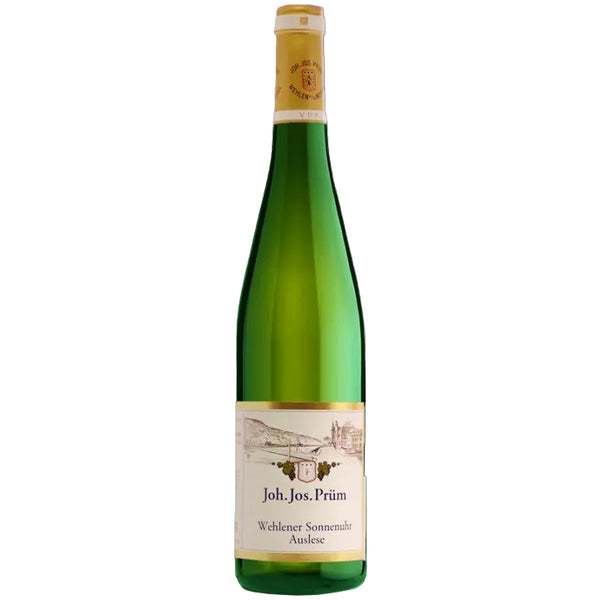
Joh Jos Prüm - Wehlener Sonnenuhr Auslese 2023
A great Moselle Riesling, combining refined sweetness, vibrant freshness, and mineral purity.

Joh Jos Prüm - Graacher Himmelreich Auslese 2022
A great Moselle Riesling, combining crystalline purity, controlled sweetness, and remarkable mineral tension.

Dr Loosen - Beerenauslese 2018
A Mosel Riesling Beerenauslese of great purity, where the luscious richness is balanced by a vibrant acidity.

Dr Loosen - Erdener Treppchen Auslese 2024
A Mosel Auslese combining refined sweetness, crystalline tension and the mineral purity of the red slate from Erdener Treppchen.
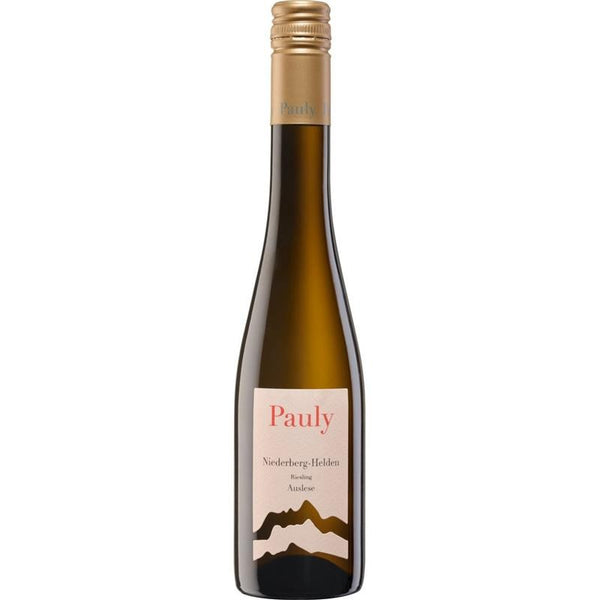
Axel Pauly - Lieserer Niederburg-Helden Riesling Auslese 375ml 2021
A Mosel Auslese where the sweetness of the fruit meets crystalline freshness.

Chappaz - Grain Noble
A high-altitude Valaisan sweet wine, combining sun-drenched richness and crystalline alpine freshness.

Dr Loosen - Urziger Wurzgarten Auslese 2023
A Moselle Riesling that is both intense and ethereal, where sweetness marries a vibrant freshness.

Joh Jos Prüm - Wehlener Sonnenuhr Auslese Goldkap 2018
A Mosel Auslese combining aromatic intensity, controlled sweetness and crystalline freshness.

Barbeito - Verdelho 1995 1995
A Verdelho Madeira that is both lively and complex, where oceanic freshness meets the richness of oxidative aging.
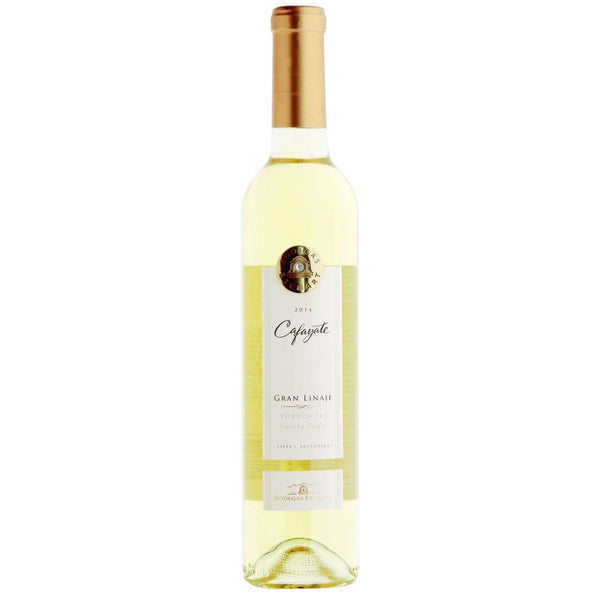
Etchart - Cosecha Tardia Torrontés 2024
Late-harvest Torrontés, lychee and honey, for dessert or spicy food.

Axel Pauly - Lieserer Niederberg-Helden Riesling Auslese 2021
An Auslese from Moselle combining intense indulgence, fruit purity and crystalline freshness.

Timeless - Napa Valley 2020
A dense Napa red, marked by cedar and tobacco, that benefits from ageing.
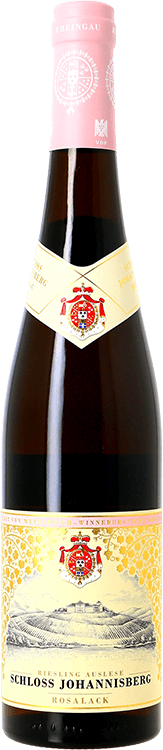
Schloss Johannisberg - Rosalack Auslese 2021
A smooth, chiselled Riesling Auslese, where rich fruit meets the freshness of the Rheingau.
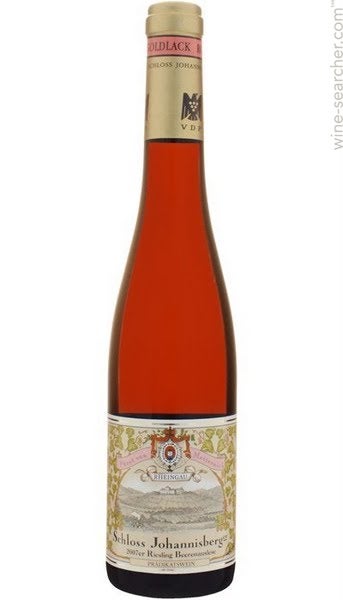
Schloss Johannisberg - Purpurlack BA (37.5cl) 2023
A sumptuous Riesling Beerenauslese, where the richness of candied fruit meets chiselled freshness.
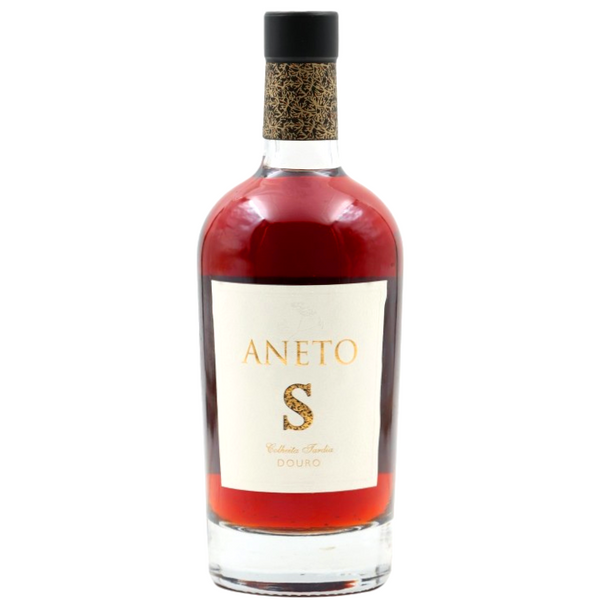
Aneto - Aneto S Colheita Tardia 2014
A great liqueur that combines complexity, elegance and freshness.

Oremus - Late Harvest 2023
Luminous Tokaj sweetness, balanced by vibrant freshness.

Joh Jos Prüm - Zeltinger Sonnenuhr Auslese 2022
A magnificent Mosel Riesling, combining refined sweetness, crystalline tension, and profound minerality.

Marco de Bartoli - Riserva semi-dry 2004
A deep Marsala semisecco, where saline freshness balances oxidative richness.

Francesco Clerico - Barolo Bussia 2020
Bussia in all its rigour: a tannic, floral Nebbiolo to be cellared for a long time.
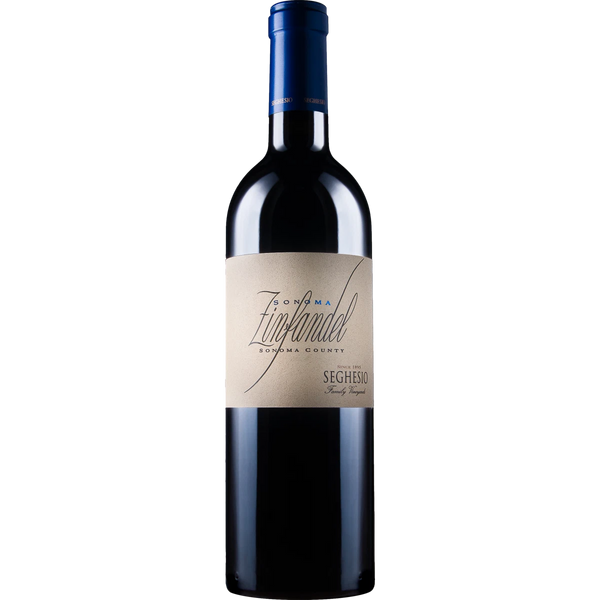
Seghesio Family Vineyards - Sonoma Zinfandel 2022
A generous, fruity and balanced Sonoma Zinfandel. The warm, delicious signature of Seghesio.
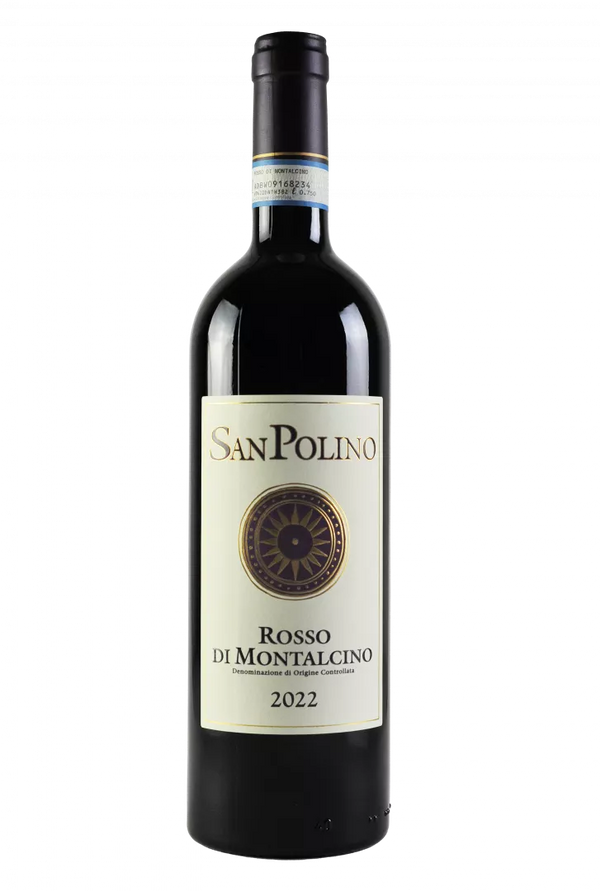
San Polino - Rosso 2022
A lively, harmonious Sangiovese from Montalcino, between deep fruit and Tuscan freshness.
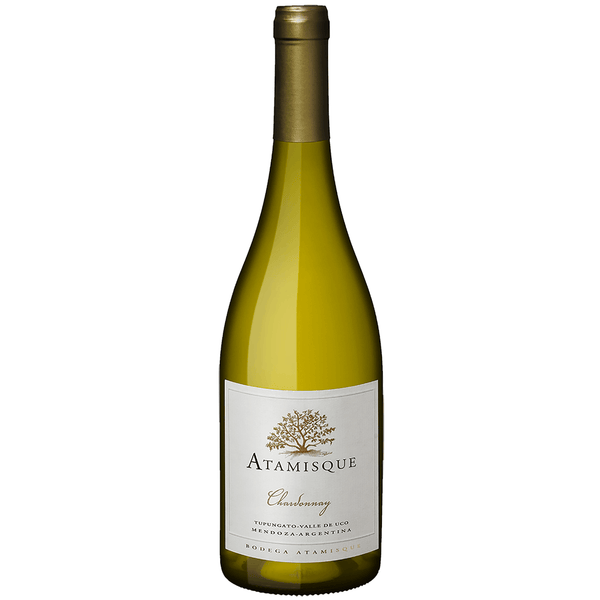
Atamisque - Atamisque Chardonnay 2023
A first-class Argentinian Chardonnay from high altitude vineyards!

Dr Loosen - Erdener Treppchen Kabinett 2024
A precise and ethereal Mosel Riesling, where delicate sweetness meets crystalline freshness.

Oremus - Aszu 6 puttonyos 2013
A deep, luminous Tokaji Aszú, where sweetness meets bright acidity.
Which wine for each blue cheese?
The saltier and sharper the blue, the sweeter the wine should be. Mild, creamy blues prefer a discreet sweetness.
| Cheese | Wines to choose | Why it works |
|---|---|---|
| Roquefort Roquefort, Bleu des Causses | Tokaji Aszú, Vin de Constance | The rich sweetness and lively acidity of the wine balance the salt of the sheep's milk. |
| Fourme d'Ambert Fourme d'Ambert, Fourme de Montbrison | Medium-sweet Riesling, white Port | This mild, creamy blue prefers a fresh wine with moderate sweetness. |
| Bleu d'Auvergne Bleu d'Auvergne, Bleu de Laqueuille | Tokaji Furmint, tawny Port | Notes of dried apricot and walnut go with a stronger paste. |
| Gorgonzola Gorgonzola Dolce, Gorgonzola Piccante | Recioto della Valpolicella, Malvasia delle Lipari Passito | Two Italian wines with candied fruit aromas for Lombardy's great blue. |
| Stilton Stilton, Blue Cheshire | LBV Port, Vintage Port | The English classic: the dark fruit and power of Port answer the aged blue. |
| Mountain blues Bleu de Gex, Bleu du Vercors-Sassenage | Rich Chardonnay, late-harvest Riesling | These milder blues go well with round whites or light sweetness. |
| Blue cheese in cooking Roquefort sauce, pear and Gorgonzola tart, walnut salad | Riesling, dry Furmint, Chardonnay | Hot and softened by cream, blue cheese pairs with an aromatic dry white. |
With a board of several blues, start with the mildest and finish with the Roquefort, served with the sweetest wine.
Sweetness, blue cheese's best ally
Our take: Roquefort deserves a great sweet wine. Hungarian Tokajis, made from Furmint, combine generous sweetness with dazzling acidity: the salt of the cheese softens and the wine gains in depth. Those from Château de Sárospatak or Royal Tokaji offer notes of apricot, honey and orange peel that extend the finish.
Port is the other great classic, especially with Stilton or a well-aged Bleu d'Auvergne. Quinta do Vallado offers the full range, from white Port to Vintage, by way of tawnies with walnut aromas. Think of South Africa too: the Grand Constance from Groot Constantia, the legendary sweet wine of the Cape, makes a sumptuous pairing with a Fourme or a Gorgonzola.
Three pairings to try
Roquefort and Tokaji Aszú. The ultimate sweet and savoury pairing, rich and vibrant.
Stilton and Vintage Port. The dark fruit of the Douro meets the power of the English blue.
Gorgonzola and Recioto della Valpolicella. An Italian duo with notes of candied cherry.
The Wine Wanderer Team
Your questions about wine and blue cheese
What wine goes with Roquefort?
With Roquefort, serve a sweet dessert wine: Tokaji Aszú, Vin de Constance or late-harvest Riesling. Their sweetness wraps around the salt and power of the sheep's milk, while their acidity keeps everything fresh. It is one of the most celebrated sweet and savoury pairings, ideal at the end of a meal with a slice of walnut bread.
Red or white wine with blue cheese?
White wine, sweet or luscious, works best with blue cheese. The salt and the blue veining call for sugar and acidity, two qualities typical of great sweet whites. For red, choose a fortified wine such as Port, or a sweet red such as Recioto, whose candied fruit balances the strength of the cheese.
What wine goes with Fourme d'Ambert?
Fourme d'Ambert pairs with a medium-sweet Riesling, a white Port or a sweet Furmint. Milder and creamier than Roquefort, it prefers fruity wines with moderate sweetness. A rich, lightly oaked Chardonnay also works very well, especially in a salad with walnuts and pears.
What wine goes with Gorgonzola?
For Gorgonzola, stay in Italy: a Recioto della Valpolicella or a Malvasia delle Lipari Passito. These sweet wines with aromas of cherry, apricot and fig answer the character of the Lombard blue. For a creamier Gorgonzola Dolce, a delicately sparkling Moscato d'Asti offers a fresh alternative.
At what temperature should sweet wine be served with cheese?
Serve a sweet wine well chilled, between 8 and 10 °C, with a blue cheese. This coolness highlights the acidity of the wine and makes the sweetness more elegant. Tawny Port is served a little warmer, at around 12 to 14 °C, and Vintage Port at around 16 °C. Take the blue cheese out of the fridge an hour before serving.
What wine goes with Roquefort sauce?
With meat or pasta in Roquefort sauce, choose a dry, aromatic white: Riesling, dry Furmint or Chardonnay. Once hot and melted into cream, the blue becomes milder. A lively white wine is then enough to balance the sauce. Keep the sweet wine for the cheeseboard.