
Vin espagnol : de la Rioja aux bodegas de Jerez
209 bouteilles, du fino au PrioratUn rouge de garde pour le gigot, un blanc salin pour les coquillages, un vieux xérès pour finir le repas : le pays offre les trois, à tous les prix, avec des cépages qui lui appartiennent en propre.
Le tempranillo de la Rioja et de la Ribera del Duero, la garnacha des schistes du Priorat, l'albariño de la Galice atlantique et le palomino de Jerez donnent quatre mondes distincts. Le tableau des régions dit ce qu'on boit où, et ce que ça donne dans le verre.
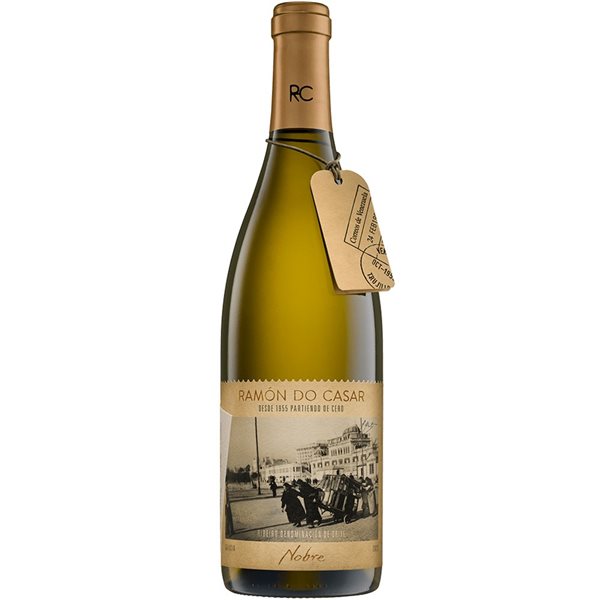
Ramon do Casar - Nobre
Un grand blanc de Ribeiro où la fraîcheur de la treixadura rencontre la finesse du chêne français.
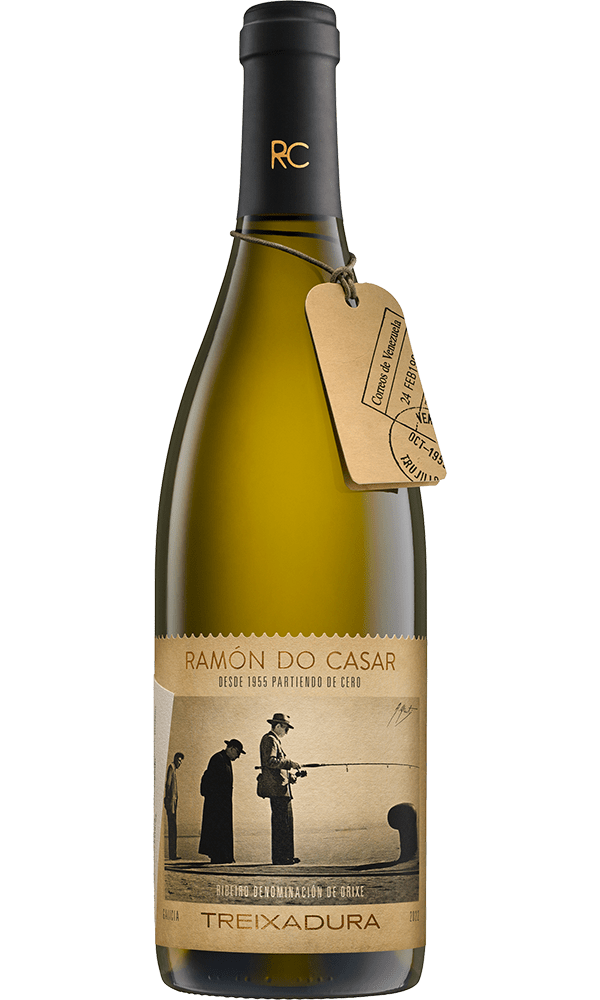
Ramon do Casar - Treixadura 2025
Une treixadura de Ribeiro fraîche et ciselée, entre agrumes, fleurs et herbes fines.
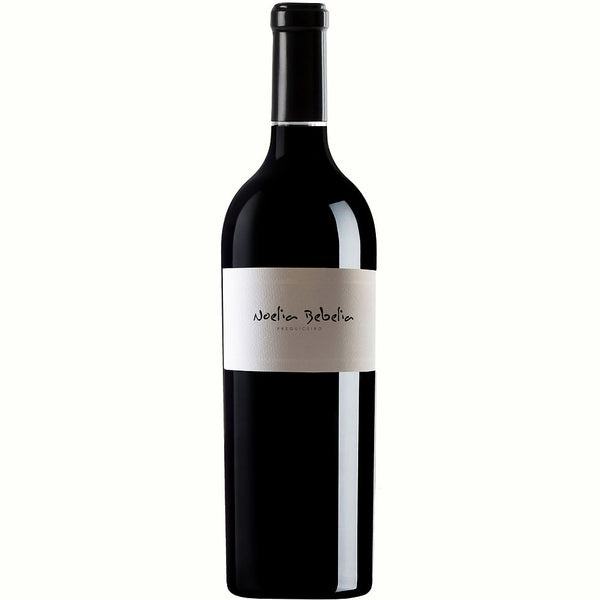
Noelia Bebelia - Preguiceiro
Un rouge atlantique frais et singulier, porté par les cépages historiques de Galice.
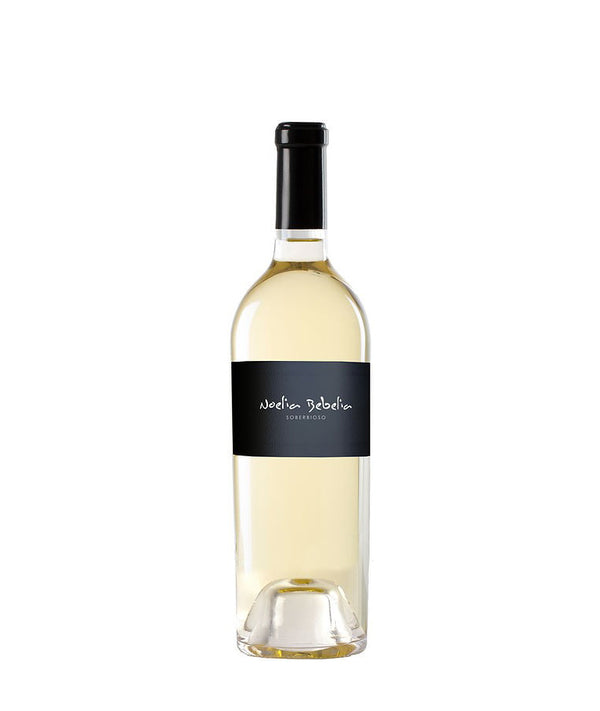
Noelia Bebelia - Soberbioso 2023
Un Albariño de Soutomaior ample et tendu, façonné par l’Atlantique et le chêne.
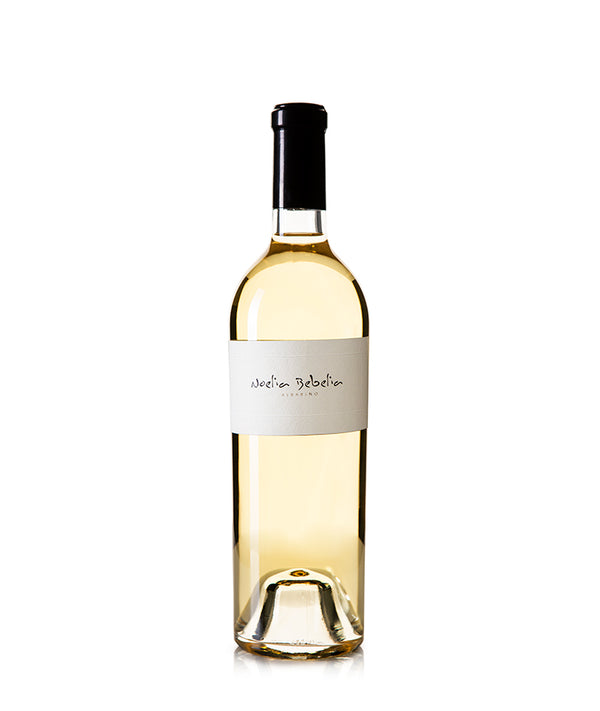
Noelia Bebelia - Albariño 2025
Un Albariño atlantique précis et lumineux. La fraîcheur du Verdugo dans le verre.
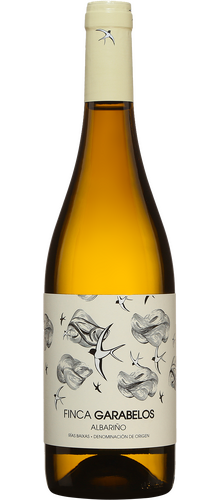
Notas Frutales - Finca Garabelos
Un albariño de terroir, ample et précis. La fraîcheur galicienne avec une belle profondeur.
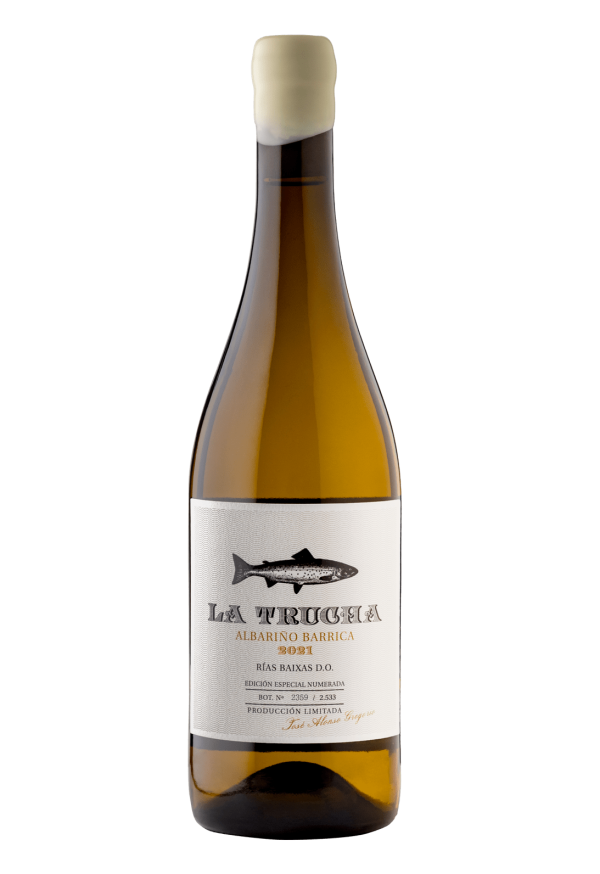
Notas Frutales - La Trucha Barrica
Un Albariño de caractère, où la fraîcheur atlantique rencontre la finesse du fût.
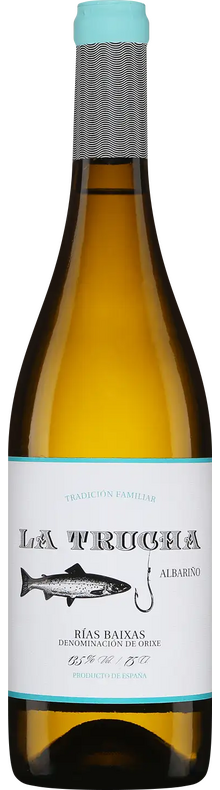
Notas Frutales - La Trucha
Un albariño galicien frais et salin, porté par un fruit éclatant. L’allié naturel des saveurs marines.

Vinyes d’Olivardots - Vermell 2022
Un rouge de l’Empordà à la fois fruité, épicé et velouté. Une belle expression méditerranéenne portée par la fraîcheur.
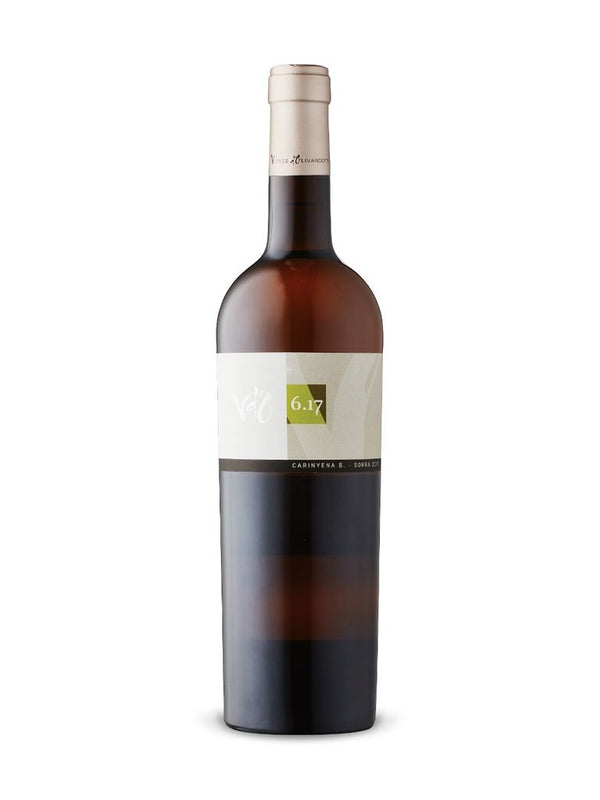
Vinyes d’Olivardots - Vd'O 6 Cariñena Blanca 2023
Un grand blanc d’Empordà, rare et profondément minéral. La cariñena blanca dans une lecture pure et ciselée.
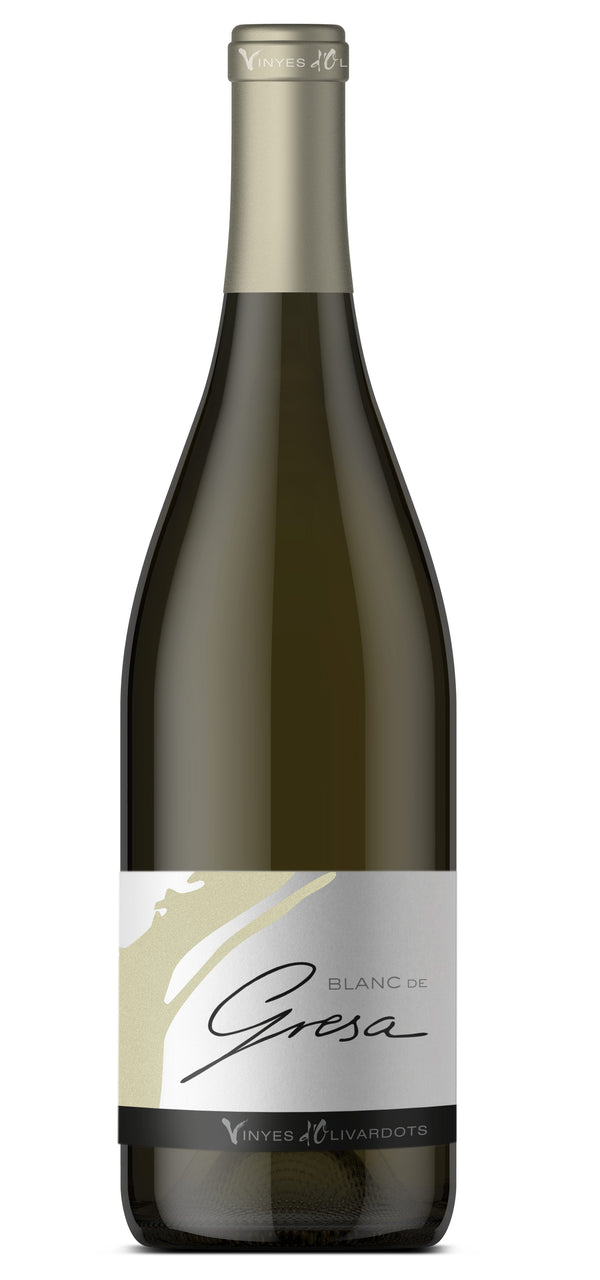
Vinyes d’Olivardots - Blanc de Gresa 2022
Un blanc d’Empordà ample et salin, où les vieilles vignes rencontrent l’éclat méditerranéen.
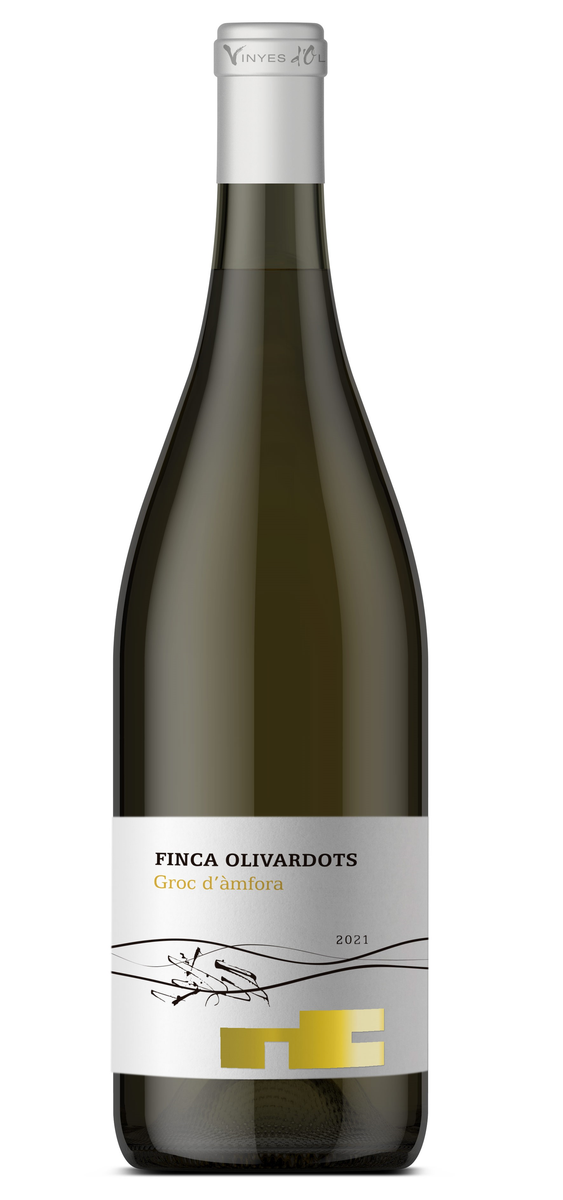
Vinyes d’Olivardots - Groc d’Amfora 2025
Un blanc d’Empordà à la fraîcheur saline, façonné par l’amphore. Une expression singulière des cépages catalans.
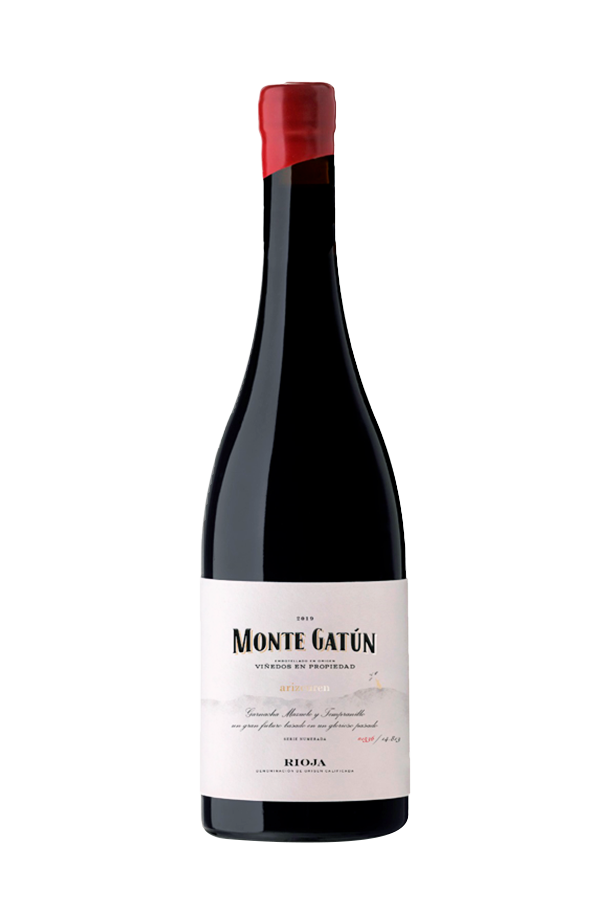
Arizcuren - Monte Gatún rouge 2023
Un Rioja Oriental de hauteur, souple et parfumé. L’éclat du fruit rencontre la finesse des tanins.
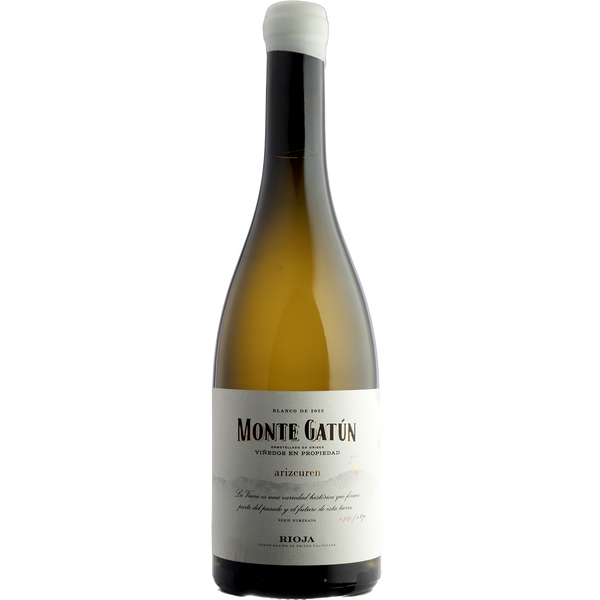
Arizcuren - Monte Gatún blanc 2024
Une viura de montagne ample et fraîche, portée par un élevage précis.

Cuentaviñas - Tinto Fino 2019
Un Tempranillo de vieilles vignes, profond et très équilibré. La Ribera del Duero dans une interprétation précise et fraîche.

Cuentaviñas - Arriscado 2022
Un blanc de Rioja de terroir, tendu et profondément minéral.
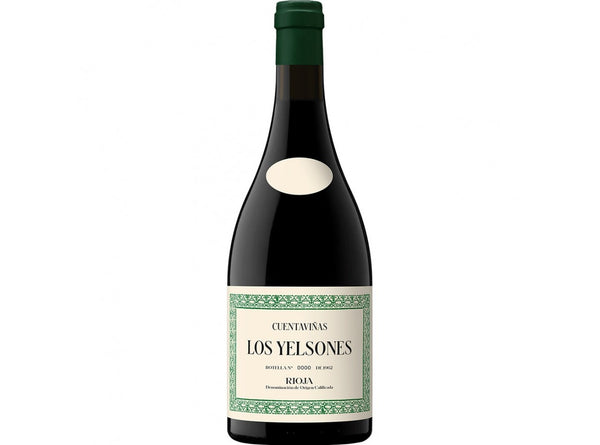
Cuentaviñas - Los Yelsones 2020
Un Rioja de parcelle intense et crayeux. La finesse du Tempranillo rencontre une fraîcheur minérale singulière.
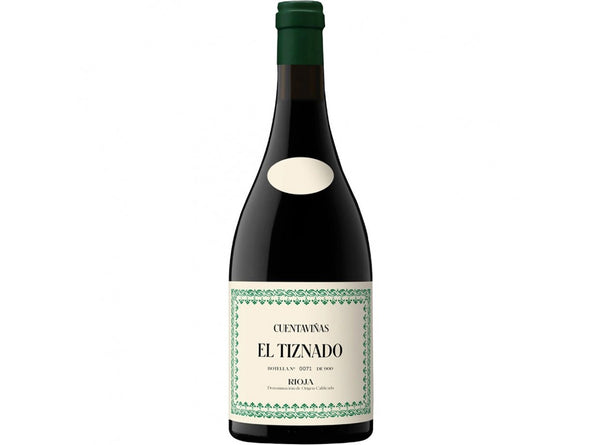
Cuentaviñas - El Tiznado 2020
Un grand tempranillo de parcelle, intense et minéral. La profondeur du fruit rencontre une trame tannique raffinée.

Cuentaviñas - Alomado 2019
Un Rioja de parcelle à la fraîcheur atlantique. Profond, précis et finement épicé.

Cuentaviñas - Garnacha 2020
Une Garnacha de Rioja fraîche et racée, née de très vieilles vignes de Cordovín.
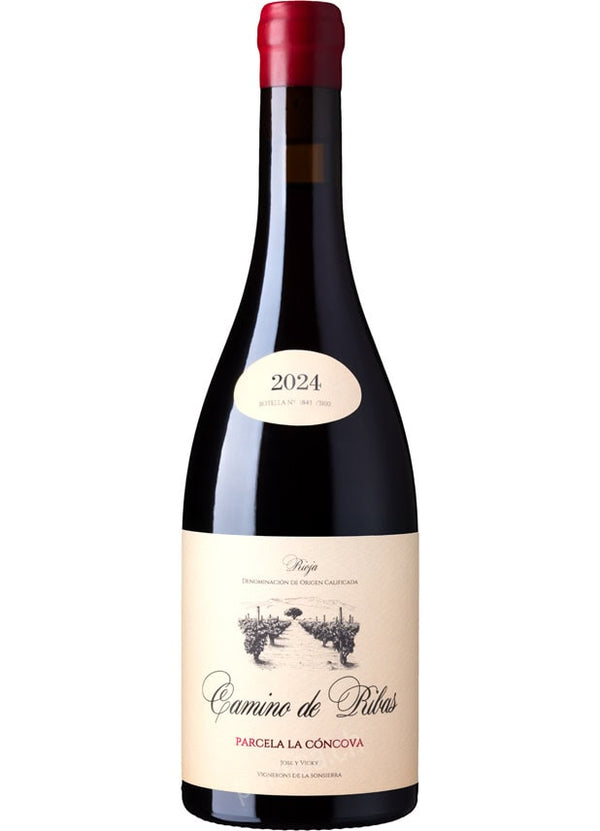
Jose Gil - Camino de Ribas
Un Rioja de parcelle à la fraîcheur d’altitude et au fruit profond. Élégant, floral et finement épicé.
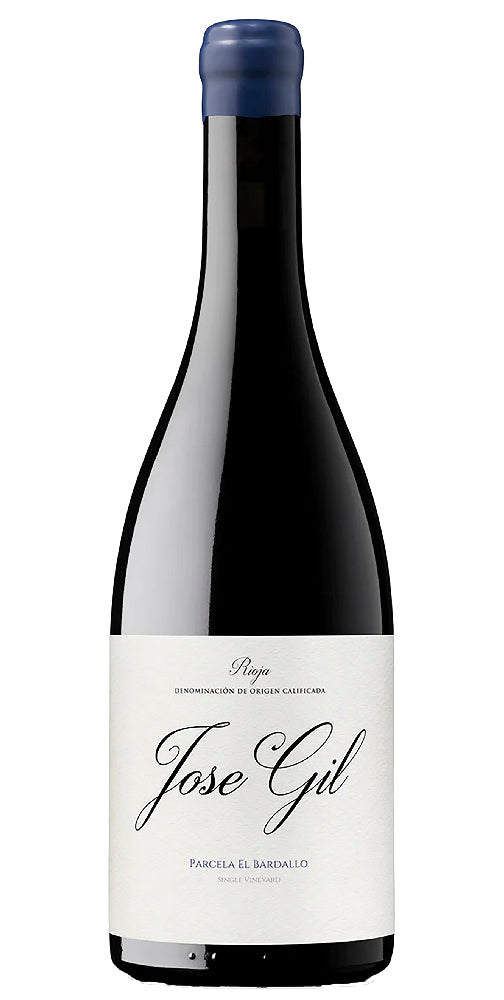
Jose Gil - El Bardallo
Un Rioja de lieu-dit précis et floral, porté par une fraîcheur calcaire.
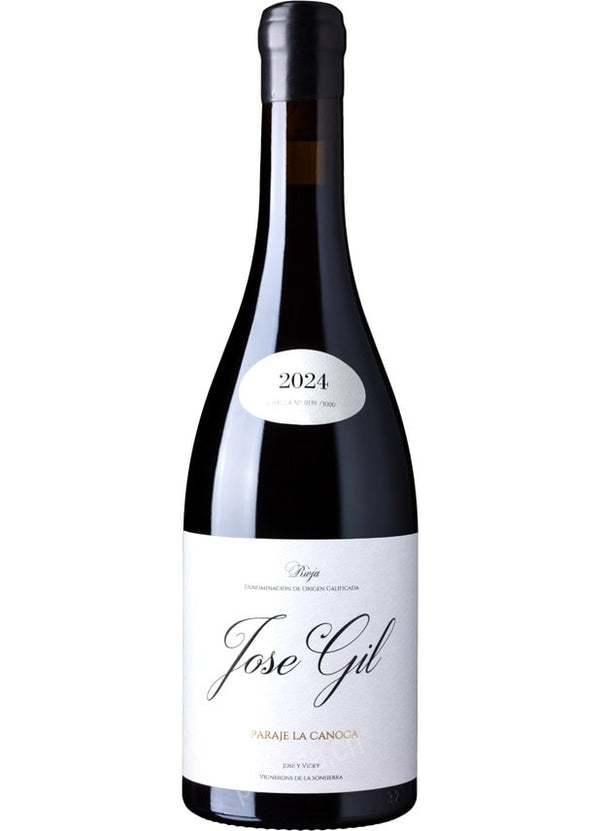
Jose Gil - La Canoca
Un Rioja de lieu-dit, profond et aérien. La fraîcheur calcaire prolonge son fruit avec élégance.

Jose Gil - Labastida
Une Rioja de village vive et nuancée, portée par le fruit et la fraîcheur calcaire.
Par où commencer
Chacune mène directement à sa sélection.
La Rioja, classique et moderne
Des Gran Reserva de La Rioja Alta et de Murrieta aux vins de lieu d'Artadi. L'appellation la plus fournie de la cave.
RiojaLes grands rouges de la Ribera
Tinto fino d'altitude, du Crianza de semaine aux mythes du plateau : Vega Sicilia Único, Pingus, Dominio de Es à Soria.
Ribera del DueroLe Priorat et le Montsant
Garnacha et cariñena sur schiste, en terrasses abruptes. Des rouges denses et minéraux, et le Montsant voisin pour découvrir.
CatalogneLe xérès, du fino au PX
Du fino au pedro ximénez, jusqu'aux VORS de trente ans de Bodegas Tradición. Le vin le plus singulier du pays.
Jerez et MontillaLes blancs de Galice
L'albariño salin des Rías Baixas, signé Nanclares y Prieto, et les vignes en terrasses de la Ribeira Sacra. Le versant atlantique.
Rías BaixasLa mencía, rouge de fraîcheur
Le cépage du Bierzo et de la Ribeira Sacra : fruit rouge, fleurs, tanins fins. Souvent comparé au pinot noir ou au cabernet franc.
BierzoLa famille Palacios
Álvaro Palacios au Priorat, Palacios Remondo en Rioja Oriental, Descendientes de J. Palacios dans le Bierzo : trois régions, une même exigence.
DomaineCommencer par les petits prix
Monastrell de Jumilla, crianza de Rioja, mencía du Bierzo : le rayon trié du moins cher au plus cher, pour viser juste.
Dès 8,30 € la bouteille, par caisse de 6
Huit régions, autant de styles
Une étiquette espagnole annonce une appellation avant un cépage : savoir ce qu'on plante où aide à deviner ce qu'il y a dans la bouteille.
| Région | Appellations dans la cave | Cépage roi | Ce que ça donne dans le verre |
|---|---|---|---|
| RiojaHaut Èbre : Rioja Alta, Alavesa, Oriental | Rioja DOCa | Tempranillo, garnacha | Du rouge classique élevé en fût américain au vin de lieu moderne, plus dense. Le blanc de viura vieillit très bien. |
| Ribera del DueroPlateau castillan, plus de 750 m | Ribera del Duero, Soria, Toro en voisin | Tinto fino (tempranillo) | Nuits froides, journées brûlantes : couleur profonde, fruit noir, tanins serrés. Le rouge de garde par excellence. |
| Priorat et MontsantCatalogne, schistes de llicorella | Priorat DOQ, Montsant | Garnacha, cariñena | Terrasses à rendements minuscules : rouges concentrés, chauds, au toucher de graphite. |
| Jerez et MontillaAndalousie, sols d'albariza | Jerez-Xérès-Sherry, Montilla-Moriles | Palomino, pedro ximénez | Du fino sec et salin, élevé sous voile de flor, au pedro ximénez noir et sirupeux. |
| GaliceL'Espagne verte, atlantique | Rías Baixas, Ribeira Sacra | Albariño, mencía, godello | Blancs tendus et salins près de l'océan, rouges fins et frais sur les terrasses du Sil. |
| Bierzo et RuedaNord et ouest de la Castille | Bierzo, Rueda | Mencía, verdejo | Mencía florale et digeste ; verdejo aromatique, herbe et agrume. |
| Catalogne hors Priorat Penedès, Conca de Barberà, Costers del Segre | Penedès, Corpinnat, Conca de Barberà | Xarel·lo, cabernet sauvignon | Les effervescents de Recaredo, longuement élevés sur lattes, et les rouges de Torres. |
| Castille et Levant Plateaux du centre et du sud-est | Almansa, Jumilla, la Manche, Sierra de Gredos | Monastrell, garnacha, bobal | Rouges généreux de monastrell, garnachas d'altitude sur les granites de Gredos. |
La Rioja et la Ribera del Duero pèsent le plus lourd dans la cave : un choix assumé.
Quelle bouteille pour quelle table
Une cuisine salée, fumée, souvent grillée : des vins frais pour les tapas, de la matière pour les viandes rôties.
| Le plat | Ce qu'il faut en face | Appellations | Pourquoi ça marche |
|---|---|---|---|
| Jamón ibérico | Un blanc sec et salin | Fino, manzanilla | Le sel et le gras noisette du jambon trouvent leur écho dans un fino bien frais. |
| Chorizo, charcuterie pimentée | Un rouge fruité et souple | Garnacha, monastrell | Le paprika fumé demande du fruit mûr et des tanins fondus. |
| Tapas frites, croquetas, calamars | Une bulle ou un fino | Penedès, Jerez | L'acidité et la bulle nettoient le gras de la friture. |
| Paella aux fruits de mer | Un blanc ample | Rioja blanc, albariño | Le safran veut un blanc qui a de la matière, et la fraîcheur des crustacés. |
| Agneau rôti, lechazo | Un rouge de garde | Ribera del Duero, Rioja Reserva | Le tempranillo élevé en fût répond à la chair grillée de l'agneau de lait castillan. |
| Manchego affiné | Un rouge mûr ou un oloroso | Rioja Reserva, oloroso | Un brebis sec et piquant réclame des arômes de cuir, de noix et de fruits secs. |
| Poisson grillé | Un blanc tendu et iodé | Rías Baixas, Txakoli | L'albariño et l'hondarrabi zuri ont la vivacité d'une chair délicate. |
| Coquillages, poulpe à la galicienne | Un blanc atlantique | Rías Baixas, Ribeira Sacra blanc | Les vins nés face à l'océan partagent la salinité des produits de la ría. |
Chaque fiche donne ses accords, et le filtre par plat les reprend dans la grille.
Les grands rouges d'abord, et une vraie place au xérès
Notre cave espagnole penche nettement vers la Rioja et vers les grands rouges du plateau castillan. C'est voulu : le tempranillo est le cépage qui récompense le mieux la garde, et ces deux appellations réunissent les maisons qui ont fait la réputation du pays, de La Rioja Alta à Vega Sicilia.
L'autre choix, c'est le xérès. Il reste méconnu en France, alors qu'un fino servi frais ou un oloroso de trente ans comptent parmi les vins les plus complexes qui soient, pour des prix modestes au regard de leur âge. Nous préférons défendre ces flacons que de multiplier les rouges de volume.
Lire une étiquette espagnole
DO est l'appellation d'origine, DOCa (DOQ en catalan) son niveau supérieur, réservé à la Rioja et au Priorat. Vino de Pago désigne un domaine classé à lui seul.
Joven : vin vendu jeune, sur le fruit. Crianza : deux ans de vieillissement, dont une partie en fût. Reserva : trois ans. Gran Reserva : cinq ans, dont deux en fût.
L'équipe du Baroudeur du Vin
Ce qu'on nous demande sur les vins espagnols
Quels sont les meilleurs vins espagnols ?
Quelques noms font consensus : Vega Sicilia Único et Pingus en Ribera del Duero, L'Ermita d'Álvaro Palacios au Priorat, les Gran Reserva de La Rioja Alta et les vins de lieu d'Artadi en Rioja. Ajoutez-y les vieux xérès, oloroso et palo cortado, au niveau des plus grands vins du monde.
Rioja ou Ribera del Duero, quelle différence ?
Les deux reposent sur le tempranillo. La Rioja, sur l'Èbre, l'assemble souvent à la garnacha et au graciano : vins plus souples, marqués par l'élevage. La Ribera del Duero, sur un plateau à plus de 750 mètres, le travaille presque seul : couleur plus noire, tanins plus serrés. La Rioja se goûte plus tôt.
Que signifie Crianza sur une bouteille de vin espagnol ?
C'est une mention de vieillissement. Un rouge Crianza a passé au moins deux ans à la bodega, dont une partie en fût de chêne. Au-dessus viennent Reserva, trois ans, puis Gran Reserva, cinq ans dont deux en fût. La mention dit la durée de l'élevage : un bon Crianza vaut mieux qu'un Reserva fatigué.
Qu'est-ce que le xérès et comment le boire ?
Un vin blanc andalou de palomino, élevé en solera : des fûts étagés où le vin jeune rafraîchit le plus vieux. Fino et manzanilla, secs et salins, se servent très frais à l'apéritif. Amontillado et oloroso accompagnent fromages et viandes ; le pedro ximénez finit le repas. Tout est sur la page Jerez.
Quel budget pour un bon vin espagnol ?
Le rayon commence à 8,30 € la bouteille, par caisse de 6, et à 11,90 € à l'unité avec le Tinto Madurado de David Moreno en Rioja. Entre 15 et 25 €, les crianzas de Rioja et les monastrells de Jumilla offrent le meilleur rapport au plaisir. Au sommet, Pingus 2022 atteint 1 400 € la bouteille. Voir le rayon par prix croissant.
Existe-t-il de bons vins blancs espagnols ?
Oui, et ils progressent vite. L'albariño des Rías Baixas est salin et tendu, le godello de la Ribeira Sacra plus ample, le verdejo de Rueda aromatique. La Rioja blanche, en viura, vieillit remarquablement. Le Penedès produit avec Recaredo des effervescents de longue garde, élevés plusieurs années sur lattes.
Quels vins espagnols se gardent le mieux ?
Les Gran Reserva de Rioja d'abord, vendus prêts et capables de tenir trente ans. Les grands rouges de Ribera del Duero et du Priorat demandent souvent dix ans pour s'ouvrir. Les vieux xérès se conservent très longtemps. Un joven, un albariño simple ou un rosé se boivent dans les deux ans.
Pourquoi Vega Sicilia et Pingus sont-ils si chers ?
Vega Sicilia est la bodega historique de la Ribera del Duero : l'Único sort après une dizaine d'années d'élevage, ici à partir de 450 € la bouteille. Pingus, créé en 1995 par Peter Sisseck, produit quelques milliers de bouteilles sur de vieilles vignes : 1 400 € pour le 2022. Pour approcher leur style, Flor de Pingus coûte 140 € et Psi 45 € la bouteille, par caisse de 3.