
Tokaji wine: from sweet Aszú to dry Furmint
Dry, mellow and sweet, from €11Our Tokaji wine selection covers Hungary's legendary sweet wines, Aszú from 3 to 6 puttonyos, Szamorodni, Late Harvest and Eszencia, as well as dry Furmint, from Oremus, Château de Sárospatak, Royal Tokaji, Balassa and Zoltán Demeter.
Tokaji comes from Tokaj, in northeastern Hungary, where two rivers maintain the autumn fogs that give rise to noble rot. The dominant grape variety is Furmint, whose acidity stands up to the sugar: this is the singularity of these wines, sweet without being heavy.
The region does not only produce sweet wines. The same Furmint also produces dry, taut, volcanic white wines, which have only been discovered in the last twenty years. The two tables below illustrate each style and explain the puttonyos scale.
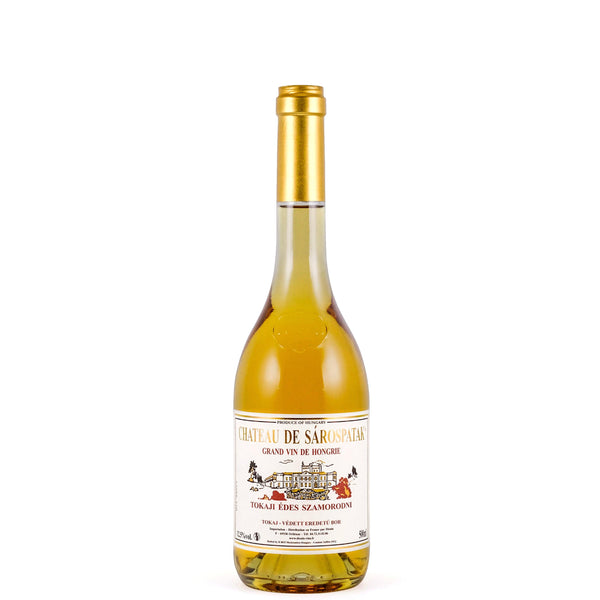
Château de Sárospatak - Tokaji Edes Szamorodni 2021
A late harvest vintage of noble grains, from the mystical terroirs of Tokaj
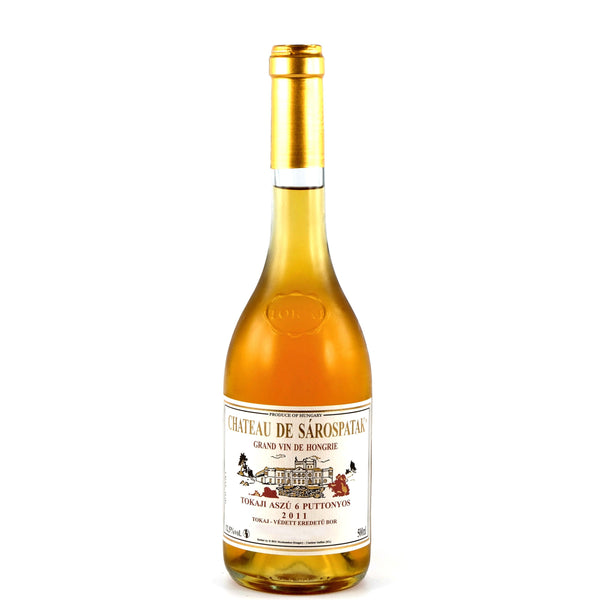
Château de Sárospatak - Tokaji Aszú 6 Puttonyos 2011
The jewel of Tokaji from an exceptional vintage!
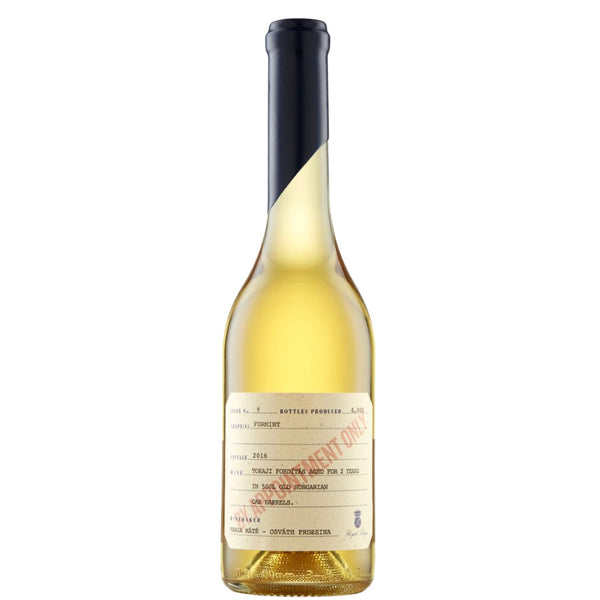
Royal Tokaji - Tokaji Fordítás Furmint 2016
A Tokaji Fordítás looking like 6 Puttonyos
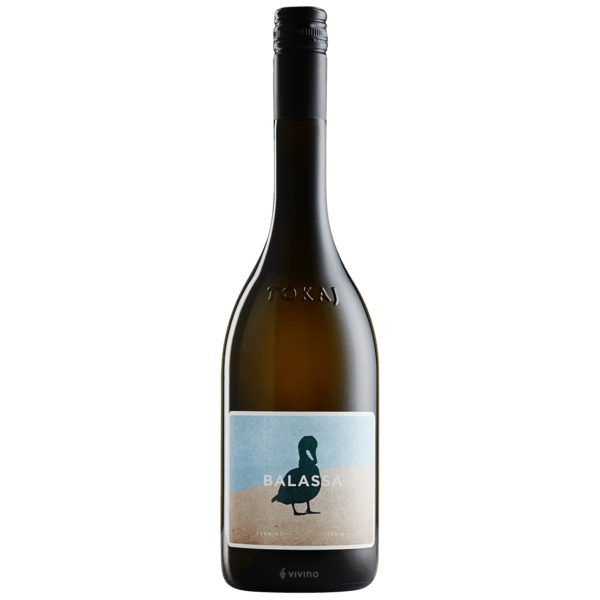
Balassa - Tokaji Furmint Duck 2025
A vibrant and fruity version of Furmint, Hungary's iconic grape variety.
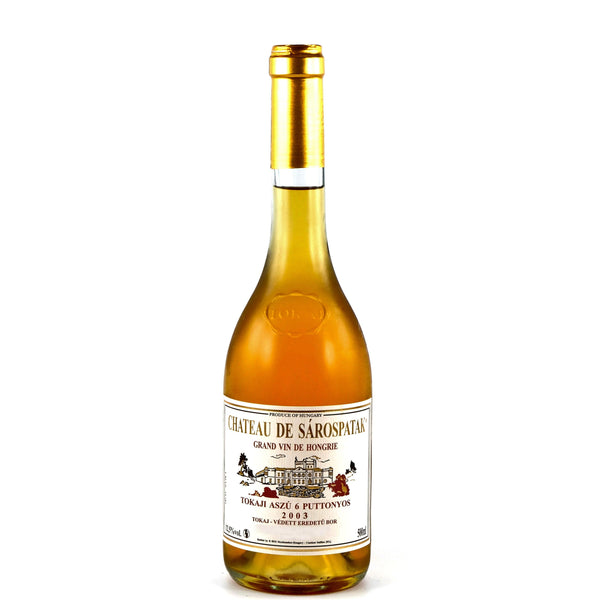
Château de Sárospatak - Tokaji Aszú 6 Puttonyos 2003
A great sweet Tokaji with a unique and confidential vintage
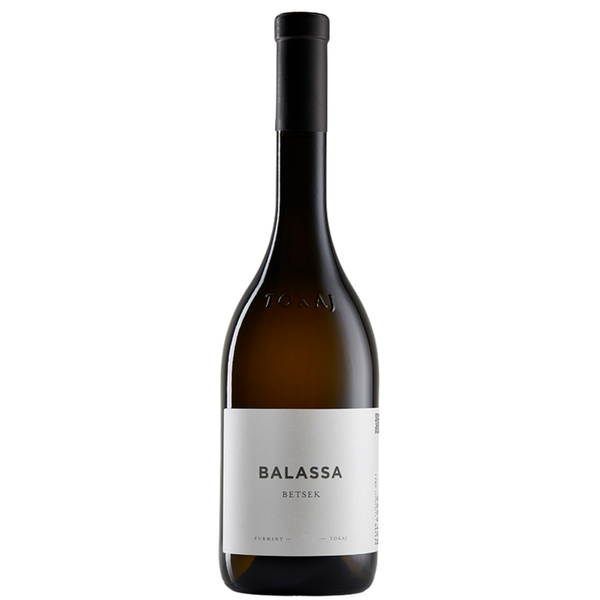
Balassa - Tokaji Furmint Betsek 2024
A wine with a volcanic character from Betsek, bringing tension, complexity and finesse
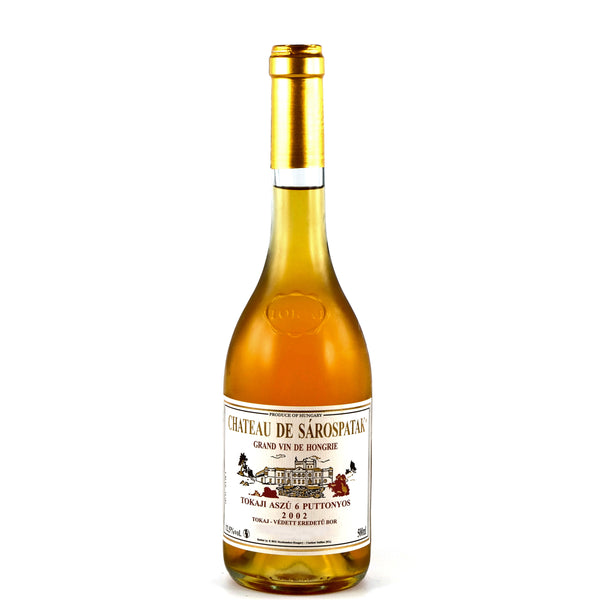
Château de Sárospatak - Tokaji Aszú 6 Puttonyos 2002
A great sweet Tokaji with a unique and confidential vintage
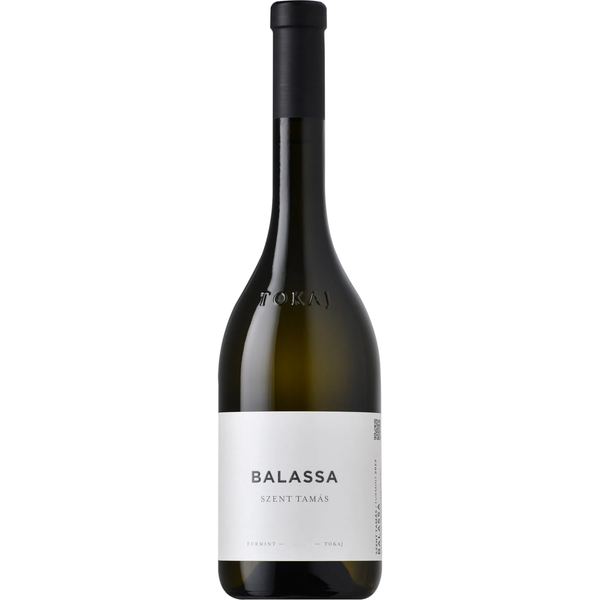
Balassa - Tokaji Furmint Szent Tamas 2021
One of the greatest single-plot vintages of Tokaji
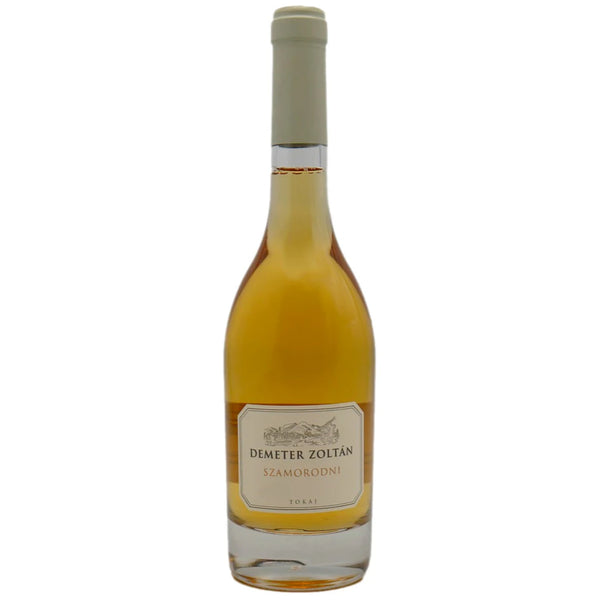
Demeter Zoltan - Tokaji Szamorodni Eszter 2023

Oremus - Dry Mandolas 2022
A dry Furmint from Tokaj, vibrant and mineral, where rich fruit meets saline freshness.

Zoltan Demeter - Kakas Furmint 2023
A dry Furmint from the Kakas cru, on the rhyolites of Bodrogkeresztúr, delicate, mineral and elegant.
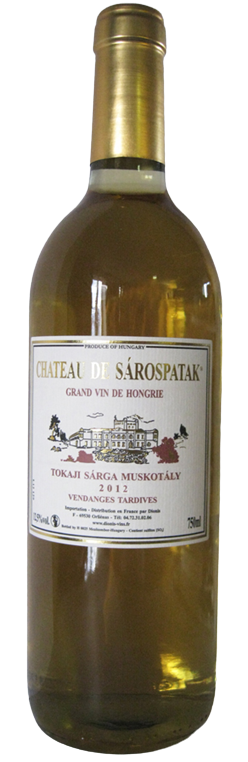
Château de Sárospatak - Tokaji Sárga Muskotály 2016
A tiny sweet cuvée of botrytised Muscat from Tarcal, all finesse, freshness and well-judged sweetness.
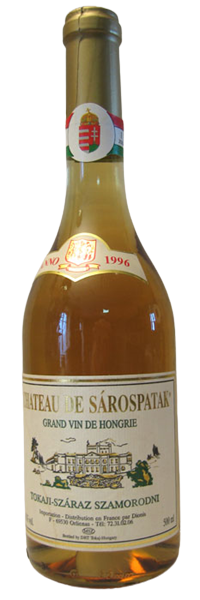
Château de Sárospatak - Tokaji Szamorodni Száraz 1996
A collector's dry Tokaji, aged for three years under flor like a vin jaune, between fresh walnut and smoke.

Château de Sárospatak - Tokaji Aszú 6 Puttonyos 2021
A great Tokaji Aszú 6 puttonyos, rich and luminous, where sweetness rests on vibrant acidity.

Oremus - Aszu 6 puttonyos 2013
A deep, luminous Tokaji Aszú, where sweetness meets bright acidity.

Oremus - Late Harvest 2023
Luminous Tokaj sweetness, balanced by vibrant freshness.

Oremus - Dry Petracs 2021
A dry Furmint from Tokaj, chiselled and saline, where freshness meets volcanic depth.

Oremus - Aszu 3 puttonyos 2018
A luminous Tokaji Aszú, where the sweetness of candied fruit meets vibrant freshness.

Oremus - Aszu 5 puttonyos 2018
A luminous Tokaji Aszú, where the richness of candied fruit meets finely chiselled freshness.

Oremus - Eszencia 2013
A Tokaj essence of rare concentration, carried by luminous freshness.
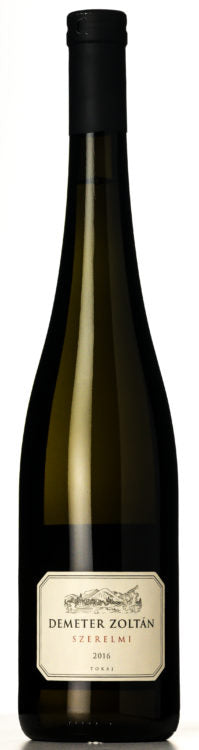
Zoltan Demeter - Szérelmi Tokaji 2024
A precise and vibrant Tokaji of the terroir, where rich liqueur-like texture is combined with crystalline freshness.
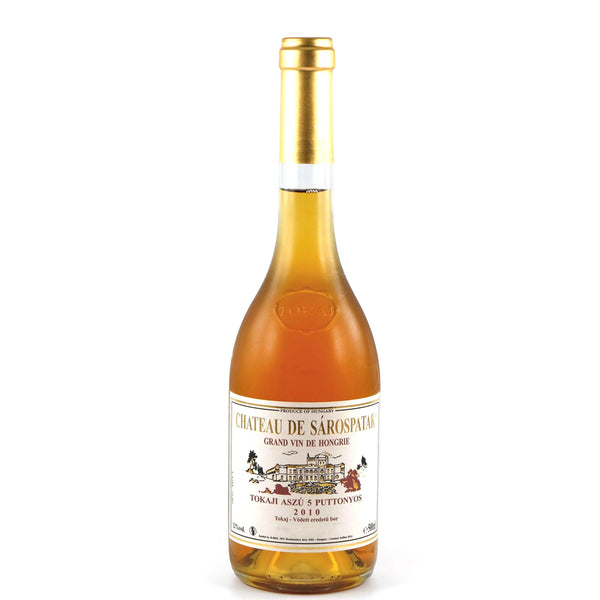
Château de Sárospatak - Tokaji Aszú 5 Puttonyos 2010
A splendid Tokaji with incredible complexity and balance.
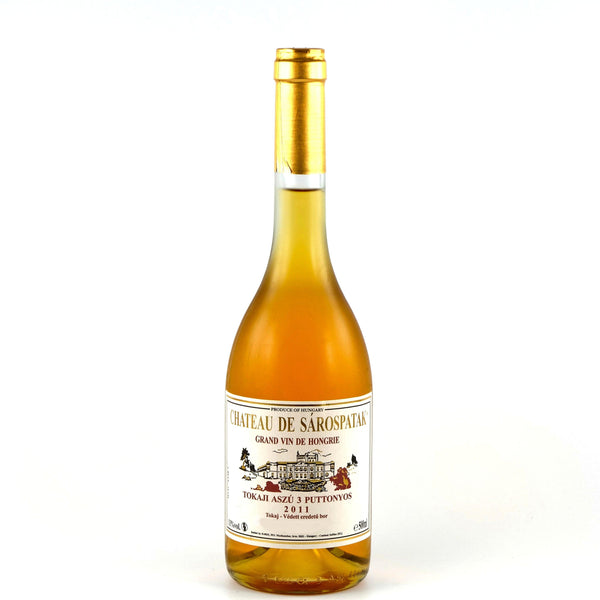
Château de Sárospatak - Tokaji Aszú 3 Puttonyos 2011
One of the last vintages of Tokaji 3 puttonyos.
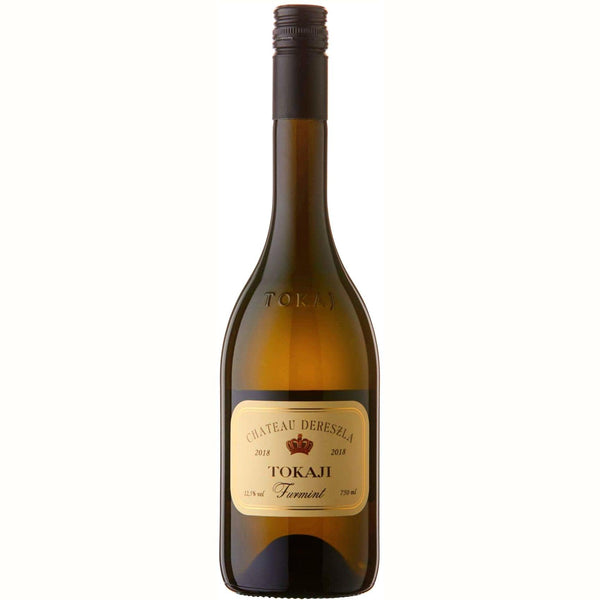
Château de Dereszla - Tokaji Furmint sec 2019
A dry white wine typical of Hungary, lively and mineral
The wines, line by line
Domain, grape variety, and alcohol content for each bottle. This data comes from the product sheets: it follows the catalog.
| Vintage | Domain | Grape varieties | Degree | Price |
|---|---|---|---|---|
| Balassa - Tokaji Furmint Duck - 2025 | Not specified | Not specified | Not specified | 19,90 € |
| Château de Sárospatak - Tokaji Edes Szamorodni - 2021 | Not specified | Not specified | Not specified | 32,00 € |
| Balassa - Tokaji Furmint Betsek - 2024 | Not specified | Not specified | Not specified | 36,00 € |
| Oremus - Dry Mandolas - 2022 | Not specified | Not specified | Not specified | 37,40 € per bottle, sold as set of 3 |
| Château de Sárospatak - Tokaji Szamorodni Száraz - 1996 | Not specified | Not specified | Not specified | 37,70 € |
| Oremus - Late Harvest - 2023 | Not specified | Not specified | Not specified | 41,20 € per bottle, sold as set of 3 |
| Royal Tokaji - Tokaji Fordítás Furmint - 2016 | Not specified | Not specified | Not specified | 46,00 € |
| Château de Sárospatak - Tokaji Sárga Muskotály - 2016 | Not specified | Not specified | Not specified | 46,80 € |
| Zoltan Demeter - Szérelmi Tokaji - 2024 | Not specified | Not specified | Not specified | 48,00 € per bottle, sold as set of 3 |
| Zoltan Demeter - Kakas Furmint - 2023 | Not specified | Not specified | Not specified | 50,00 € per bottle, sold as set of 2 |
| Balassa - Tokaji Furmint Szent Tamas - 2021 | Not specified | Not specified | Not specified | 59,00 € |
| Demeter Zoltan - Tokaji Szamorodni Eszter - 2023 | Not specified | Not specified | Not specified | 60,00 € |
| Oremus - Aszu 3 puttonyos - 2018 | Not specified | Not specified | Not specified | 61,40 € per bottle, sold as set of 2 |
| Château de Sárospatak - Tokaji Aszú 6 Puttonyos - 2021 | Not specified | Not specified | Not specified | 63,00 € |
| Château de Sárospatak - Tokaji Aszú 6 Puttonyos 2011 | Not specified | Not specified | Not specified | 65,00 € |
| Château de Sárospatak - Tokaji Aszú 6 Puttonyos - 2003 | Not specified | Not specified | Not specified | 77,00 € |
| Château de Sárospatak - Tokaji Aszú 6 Puttonyos - 2002 | Not specified | Not specified | Not specified | 77,00 € |
| Oremus - Aszu 5 puttonyos - 2018 | Not specified | Not specified | Not specified | 100,00 € |
| Oremus - Aszu 6 puttonyos - 2013 | Not specified | Not specified | Not specified | 118,00 € |
| Oremus - Dry Petracs - 2021 | Not specified | Not specified | Not specified | 124,00 € |
| Oremus - Eszencia - 2013 | Not specified | Not specified | Not specified | 778,00 € |
| Château de Dereszla - Tokaji Furmint sec - 2019 | Not specified | Not specified | Not specified | Sold out |
| Château de Sárospatak - Tokaji Aszú 3 Puttonyos - 2011 | Not specified | Not specified | Not specified | Sold out |
| Château de Sárospatak - Tokaji Aszú 5 Puttonyos 2010 | Not specified | Not specified | Not specified | Sold out |
Current discounts are automatically applied to the cart.
The five Tokaj styles, from driest to most concentrated
A word on the label is enough to identify the bottle, provided you know what it means. All come from the same vineyard and, most often, from the same grape variety.
| Style | How it's born | In the glass | When to open it |
|---|---|---|---|
| Dry Furmint dry | Healthy grapes, classic winemaking, no passerillage or botrytis. | Tense, saline, with a noble bitterness on the finish. The volcanic soil is palpable. | With grilled fish or spicy dishes. The most recent style of the region. |
| Szamorodni "as it came" | The entire cluster is pressed, with any botrytized berries it contains, without sorting them. | Dry or unctuous depending on the proportion of noble rot that year. Often a desired oxidative note. | The gateway to the vineyard, and the best way to understand what botrytis does. |
| Translation "reversal" | Fresh must is poured over the noble rot berry pulp that has already been pressed for the aszú, and then left to macerate again. | A second pressing, lighter than an aszú but retaining its signature. | When you want the character of an aszú without its price tag. Rare and confidential. |
| Aszú the vineyard's classified wine | Botrytized berries are picked one by one, then macerated in a base wine before pressing. | Candied apricot, orange zest, saffron, and an acidity that holds everything together despite the sugar. | Foie gras, blue cheeses, desserts with yellow fruits. And alone, long after the meal. |
| Essence uncategorized | The juice that flows from the berries under their own weight, before any pressing. | A syrup that takes years to ferment and is barely a few degrees proof. | With a spoon, and in very small quantities. More of an object than a bottle. |
Eszencia is not included in our selections: only a few hundred bottles per vintage worldwide.
Puttonyos: what the number really measures
A puttony is a harvest basket containing about 25 kg of botrytized grapes. The number indicated how many puttonyos were poured into a 136-litre barrel: it is therefore a measure of concentration, not a quality rating.
| Please mention | Minimal sugar | What it changes |
|---|---|---|
| 3 puttonyos old vintages | 60 g/L | The lightest of the aszú, almost a moelleux. Fresh fruit still dominates over candied fruit. |
| 5 puttonyos | 120 g/L | The reference balance: enough concentration for the foie gras, enough tension so as not to cloy. |
| 6 puttonyos | 150 g/L | Dense, unctuous, with a finish that lasts for minutes. This is where aging becomes spectacular. |
| Aszú Eszencia beyond the scope | 180 g/L | The top of the official hierarchy, produced only in great vintages. |
Since the 2013 vintage, the minimum aszú threshold has been raised: the 3 and 4 puttonyos designations have disappeared from new cuvées. Those you still come across, like our 2011 3 puttonyos, are older vintages.
Which bottle for which intention?
The tables give the theory. Here are the bottles, and only those that can be shipped today.
Discovering Dry Furmint
A vibrant and fruity white, the cheapest and most direct way to understand the grape.
Balassa Duck 2023 · €19.90A first sweet wine
A sweet, whole cluster Szamorodni, which shows what noble rot does without the price of an Aszú.
Sárospatak Édes Szamorodni · €29.90The benchmark aszú
Five puttonyos for the 2010 vintage, the classic balance between concentration and acidity.
Sárospatak Aszú 5 puttonyos · €59.90A single vineyard wine
Szent Tamás, one of the vineyard's great lieux-dits, in dry (version). For those already familiar with the region.
Balassa St. Tamás 2021 · €59The summit, for gifting
Six puttonyos from a highly-regarded 2011 vintage, in its original 50cl presentation box.
Sárospatak Aszú 6 puttonyos · €65See other dessert wines
Sauternes, Jurançon, Muscats and late harvest wines: the sweet wine section in full.
All our sweet wines
A sweet wine that you actually drink, not one you just watch get old
Tokaji suffers from a curious status: a bottle given as a gift, stored away, and never opened because one wouldn't know when. This is a shame, and it stems from a misunderstanding about sugar.
What distinguishes these wines from other sweet wines is the acidity of Furmint. It cuts through the concentration instead of being overwhelmed by it, and it's what makes aszú drinkable beyond the first glass, whereas other sweet wines quickly become tiresome. A twenty-year-old six puttonyos is fresher than many dry white wines of the same vintage.
How do we choose them
On tension, never solely on richness. A vintage that only offers sugar is not acceptable, regardless of the number of puttonyos displayed.
And regarding aging: these wines improve so much in the bottle that buying a young one is like giving yourself a decade head start.
The Wine Wanderer Team
What we're asked about Tokaji
What do the puttonyos mean?
A puttony is a hod holding about 25 kg of botrytised grapes. The number indicated how many were poured into a 136-liter barrel, thus determining the wine's concentration: a minimum of 120g of sugar per liter for a 5 puttonyos, and 150g for a 6. This is a measure of richness, not a quality rating.
What is the difference between an Aszú and a Szamorodni?
Sorting. For an Aszú, botrytized berries are picked one by one and then macerated in a base wine. For a Szamorodni, the entire cluster is pressed as is, with whatever noble rot berries it contains that year. Szamorodni is therefore less concentrated, less expensive, and is the best entry point into the vineyard.
Is Tokaji always a sweet wine?
No. Furmint also produces dry, taut, volcanic white wines, which the region has been developing for the past twenty years. Our Balassa Duck is an example at €19.90, a far cry from the image of a sweet nectar.
What to serve with Tokaji Aszú?
Pan-fried foie gras, Roquefort and blue cheeses in general, yellow fruit desserts, thin apricot tart. The acidity of Furmint also allows it to pair well with sweet and savory dishes, such as lacquered duck or tagine. And it's also delicious on its own, long after the meal.
At what temperature should I serve it?
Between 10 and 12°C for an Aszú, slightly cooler for a Szamorodni, and 10 to 11°C for a dry Furmint. Too cold, the confit aromas will be muted; too warm, the sugar will dominate.
How long can an open bottle be kept?
Several weeks in the refrigerator, recorked. The sugar and acidity protect the wine much better than a dry white, which makes the 50cl format perfectly reasonable even for two people.
Should I wait before opening it?
Not necessarily. The vintages on this page are indicated as being suitable for aging between ten and fifteen years or more, and several of our aszús are already older vintages, from 2002 to 2016. They are ready now, and will continue to evolve for decades.
Why is Tokaji Aszú so expensive?
Because it's harvested grain by grain, over several passes through the vineyards, and it takes a considerable quantity of berries to fill a 50 cl bottle. Added to this are years of aging before it's put on sale.