
Bordeaux wine: Pomerol, Saint-Émilion and Pessac-Léognan
Reds from the Right Bank and the GravesA great Bordeaux is chosen first by its bank. This range brings together reds from the Right Bank, Pomerol and Saint-Émilion, where Merlot thrives on clay and limestone, and Graves wines from Pessac-Léognan on the Left Bank.
You will find the second wines of renowned châteaux, Croix Canon, Petit Bécot and Croix de Beauregard, which open the door to these terroirs from €26.00 a bottle, as well as vintages already at their peak, going back to 2009.
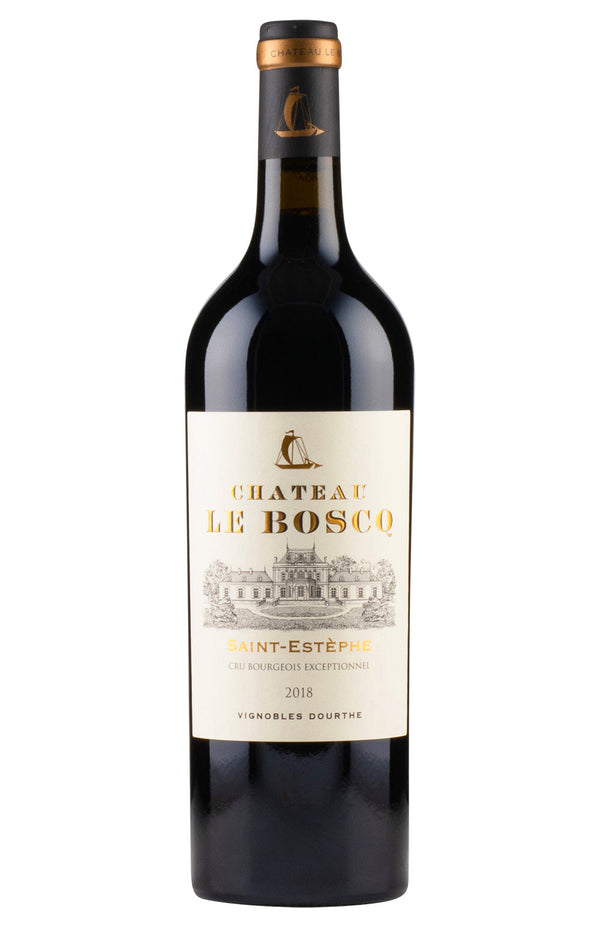
Vignobles Dourthe - Château Le Boscq 2018
A Saint-Estèphe facing the Gironde estuary, dense and spicy, with notes of cedar and black fruit.
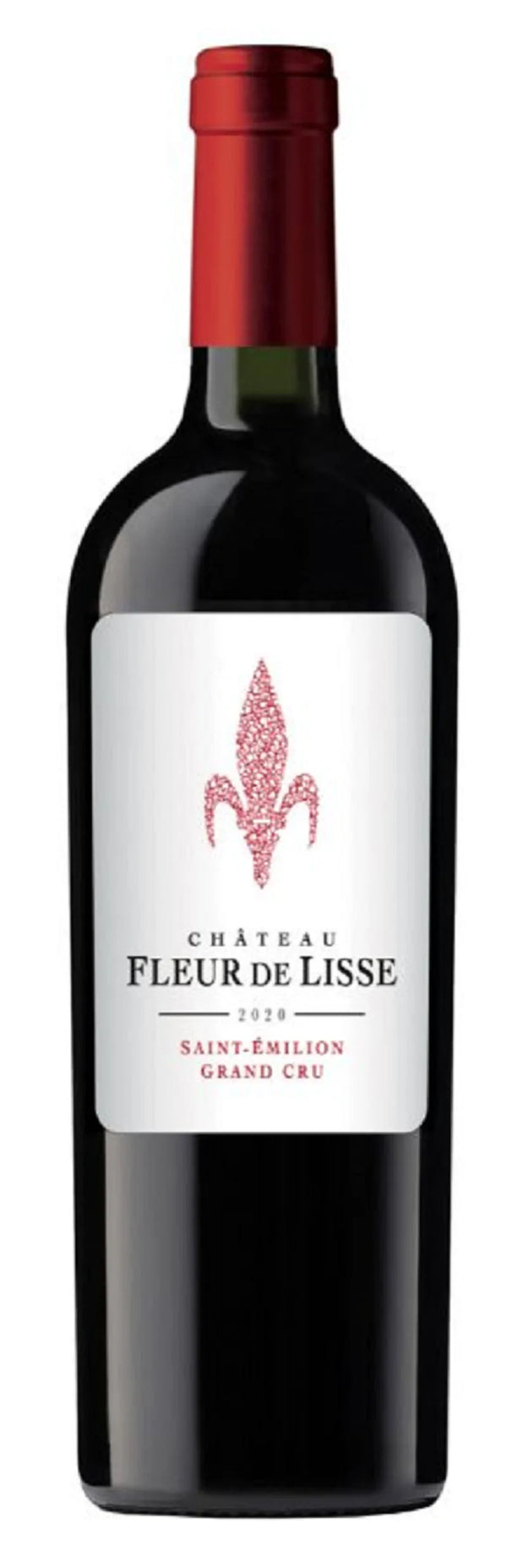
Vignobles Jade - Château Fleur de Lisse 2020
An organic Saint-Émilion Grand Cru, with intense black fruit and tannins of striking velvet.
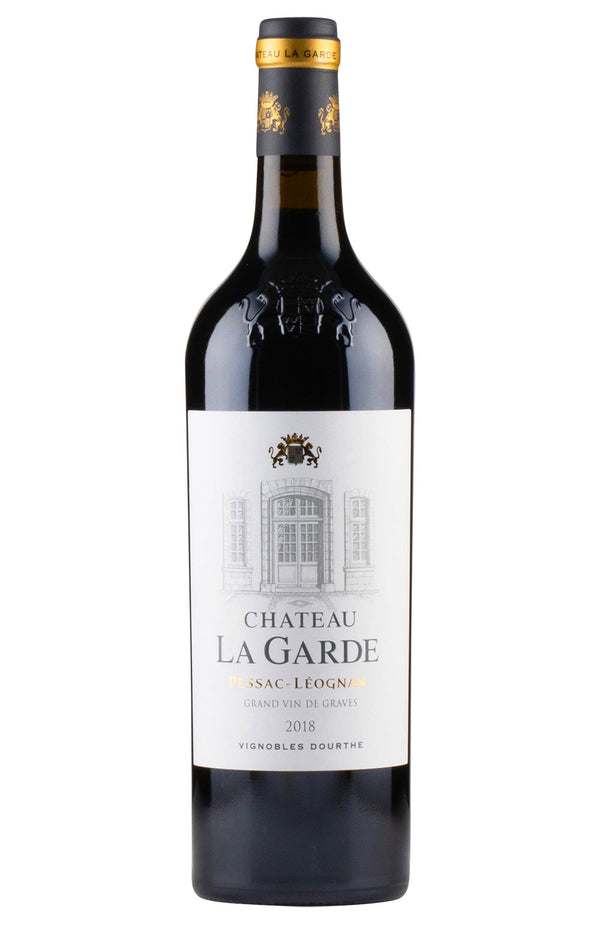
Vignobles Dourthe - Château La Garde 2018
A Cabernet Sauvignon-led Pessac-Léognan, powerful and smoky, with very fine tannins.

Vignobles Dourthe - Diane de Belgrave 2018
The second wine of Château Belgrave, a round and voluptuous Haut-Médoc with very fine tannins.

Vignobles Jade - Fontfleurie 2019
A Saint-Émilion Grand Cru with pure fruit and a melting texture, aged in foudres and amphorae.
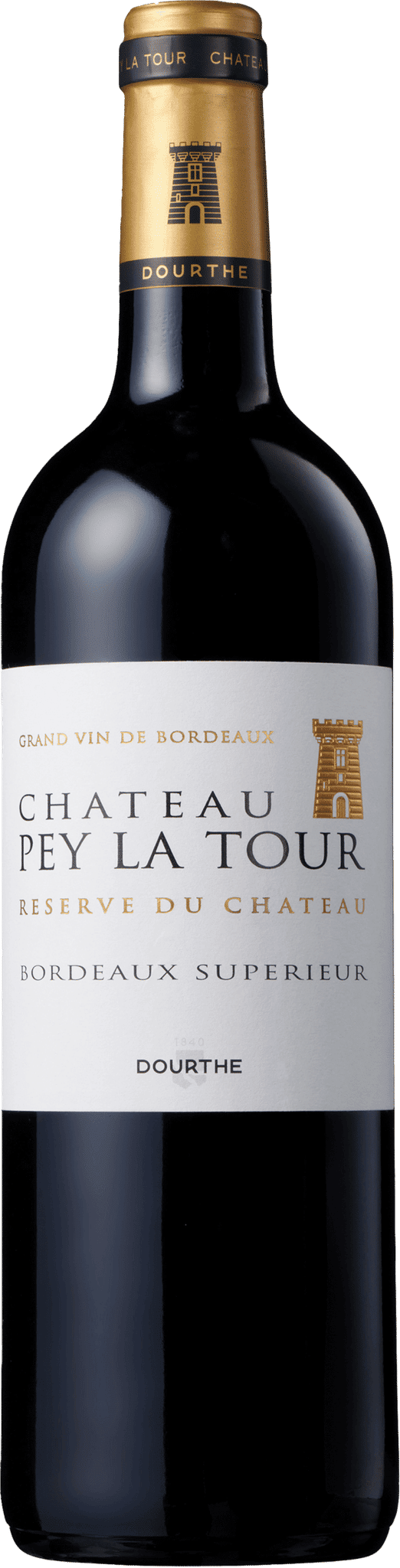
Vignobles Dourthe - Château Pey La Tour Réserve du Château 2021
The grand vin of Pey La Tour, a round, silky Bordeaux Supérieur, between blackberry and spice.
From soil to glass, terroir by terroir
In Bordeaux, the appellation speaks first of the soil, and the soil decides the blend. On the Right Bank, clay and limestone retain freshness: Merlot ripens fully there. On the Left Bank, the gravel warms up and drains well, the favoured ground of the Cabernets.
| Appellation | Soils and grape varieties | In the glass | In the cellar |
|---|---|---|---|
| Pomerol Right Bank, Libourne plateau | Clay, fine gravel and sand over an iron-rich subsoil, the “crasse de fer”. Merlot dominates, often supported by Cabernet Franc. | Round and velvety, black fruit, notes of truffle with age. Silky tannins from youth. | €25.00 to €60.00 a bottle, by the case of 6 or in lots of 2 |
| Saint-Émilion Grand Cru Right Bank, limestone plateau and slopes | Limestone plateau and clay-limestone slopes around the town. Merlot and Cabernet Franc, sometimes a touch of Cabernet Sauvignon. | More taut than Pomerol: vibrant fruit, mineral freshness, a saline finish from the limestone. | €26.00 to €130.00 a bottle |
| Pessac-Léognan Left Bank, south of the city | Deep gravel mixed with clay. Château Branon blends Merlot and Cabernet Franc here, on a gravel rise next to Haut-Bailly. | Smoke, graphite and black fruit: the signature of the Graves, gaining complexity over the years. | €50.00 to €130.00 a bottle, depending on the vintage |
In Saint-Émilion, the term “Grand Cru” refers to an appellation, more demanding than plain Saint-Émilion. The classification of the grands crus classés is a separate distinction, revised every ten years.
Bordeaux grape varieties and styles
Bordeaux is a blend: each grape variety, each style can be found elsewhere in the cellar.
Merlot
The king grape of Pomerol and Saint-Émilion, followed from Tuscany to South Africa.
Grape varietyCabernet Franc
Merlot's partner on the Right Bank, bringing freshness and floral notes.
Grape varietyCabernet Sauvignon
The grape of the Left Bank gravels, taken up in Napa Valley, Bolgheri and Margaret River.
Grape varietyReds for ageing
Structured wines, made for the cellar and slow-cooked dishes, from every wine region in the world.
StyleOrganic wines
La Croix Saint-Vincent and Croix de Beauregard, certified organic Pomerols, and the cellar's entire organic selection.
StyleBurgundy
The cellar's other great French wine region: Pinot Noir and Chardonnay, from village wines to grand cru.
Region
Which vintage to open, and when
Several of the châteaux in this range are sold as verticals: the same wine across several years. It is a chance to choose your vintage according to when you want to open it.
| Vintages | Where the wine stands | In the cellar |
|---|---|---|
| 2009 and 2010 Maturity | Two great sunny years, now at their peak: soft tannins, forest floor, leather and tobacco. To open now, after gentle decanting. | Château Branon, Pessac-Léognan€130.00 a bottle |
| 2012 to 2014 Ready to drink | Cooler years, already open, with the fruit still present. The right choice for a Bordeaux to serve tonight. | Château Branon 2012 and 2014, La Croix Saint-Vincent 2013 €25.00 to €60.00 a bottle, by the lot or by the case |
| 2017 and 2018 Opening up | The fruit has softened, the structure holds: a fine balance between immediate pleasure and ageing potential. | Croix Canon 2017, Queyron Pindefleurs and Rocheyron 2018 €33.40 to €130.00 a bottle |
| 2019 to 2021 Youth | Vibrant fruit, tannins still tight. An hour in the decanter opens them up, a few years in the cellar refine them. | Croix de Beauregard, La Croix Saint-Vincent, Petit Bécot €26.00 to €33.80 a bottle, by the case of 6 |
| 2022 and 2023 Ageing | The youngest in the range: let them rest five years or more so they can reveal their velvety texture. | Château Lécuyer, Pomerol€60.00 a bottle, in lots of 2 |
A simple rule of thumb: the second wine opens earlier than the grand vin of the same château. Petit Bécot 2021 can be drunk now, whereas Château Rocheyron 2018 still benefits from waiting.
The second wine, a gateway to the great terroirs
A great Right Bank château often produces two wines. The grand vin brings together the best plots and the oldest vines. The second comes from the same land, from young vines or lots set aside from the final blend, and goes through the same cellar, the same team, the same ageing.
That is the case of Croix Canon at Château Canon, Petit Bécot at Beau-Séjour Bécot, or Croix de Beauregard in Pomerol. These wines can be enjoyed earlier than their elder sibling and give a fair idea of the house style, for a fraction of its price. To discover a Saint-Émilion or Pomerol terroir, they are where we recommend you start.
Where to start
For a first Bordeaux: Petit Bécot 2021, supple and fresh, €26.00 a bottle by the case of 6.
To compare the two banks: Queyron Pindefleurs 2018, Saint-Émilion Grand Cru at €33.40, alongside Château Branon, Pessac-Léognan.
For a special occasion: Château Branon 2009, fully mature, €130.00.
The Baroudeur du Vin team
What we are asked about Bordeaux
What is the difference between the Right Bank and the Left Bank?
The Garonne and the Dordogne divide the vineyard. On the Left Bank, Médoc and Graves, gravel soils favour Cabernet Sauvignon and give upright wines built for ageing. On the Right Bank, Pomerol and Saint-Émilion, clay and limestone suit Merlot: the wines there are rounder and open earlier. Pessac-Léognan, south of the city, belongs to the Left Bank.
What is a second wine?
It is a château's second wine, from the same land as the grand vin: young vines, neighbouring plots or lots set aside from the final blend. It goes through the same cellar and the same team. Croix Canon, Petit Bécot and Croix de Beauregard are examples.
Pomerol or Saint-Émilion: which to choose?
Pomerol for the velvety roundness of Merlot on clay, Saint-Émilion for the tension and freshness of limestone. At a similar price, compare Croix de Beauregard 2021, Pomerol, at €31.80 a bottle, and Petit Bécot 2021, Saint-Émilion Grand Cru, at €26.00 a bottle, both by the case of 6.
Which Bordeaux to open tonight?
A vintage from 2009 to 2014, already mature: Château Branon 2009 or 2010 at €130.00, Château Branon 2012 at €50.00 a bottle in lots of 2, or La Croix Saint-Vincent 2013 at €25.00 a bottle by the case of 6. For recent vintages, allow an hour in the decanter.
Why are some wines sold by the case or in lots?
Some of the châteaux in this range are offered by the case of 6, or in lots of 2 or 3. The price shown on the listing remains the price per bottle, and the format is given on each product page. A case also lets you follow the same wine over several years.
How long can you keep a Pomerol or a Saint-Émilion?
Allow 5 to 10 years for the second wines and the Pomerols in this range, 10 years or more for Rocheyron, Queyron Pindefleurs and Branon. Store the bottles lying down, away from light, between 12 and 14 °C.
Which dishes go with a red Bordeaux?
Roast meats and game dishes: rack or leg of lamb with herbs, beef fillet with porcini, duck breast with cherries, venison stew. For cheese, a well-aged Comté or Mimolette.
Are there organic Bordeaux wines?
Yes: La Croix Saint-Vincent and Croix de Beauregard, certified organic Pomerols. The rest of the cellar's organic selection is gathered in the organic wines range.