
Barossa Shiraz and Riesling from the Eden heights
3 bottles, from valley-floor Shiraz to dry Riesling from the Eden heightsAn hour's drive north of Adelaide, the plain opens out then closes again on hills. Down below, the heat ripens a dense, fleshy Shiraz, the one that built the reputation of Australian reds. Three hundred metres higher, the air cools, the nights turn cold, and the same grape variety gains pepper and tension while Riesling finds its favourite ground.
The vines, for their part, have had their original roots in the red soils since the 1840s. Some are more than a century and a half old and still give a crop, which reads at once in the density in the glass.
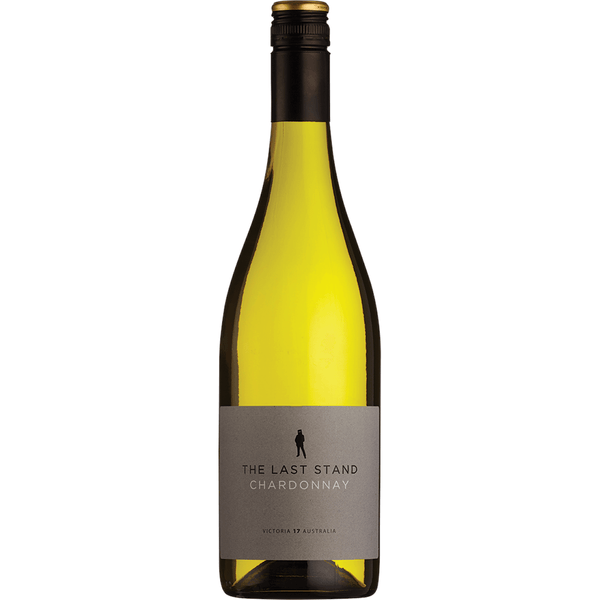
Magpie Estate - The Last Stand Chardonnay 2023
A lively and lively Chardonnay from South Australia!

Maverick - Twins Barossa GSM 2020
A Grenache, Syrah and Mourvèdre blend from the Barossa, generous and smooth, with black fruit and spice.

Maverick - Twins Barossa Semillon 2018
A Sémillon from the Barossa Valley with a smoky nose, fresh and broad, between candied lemon, liquorice and herbes de Provence.
The districts, from warmest to coolest
A few hundred metres of elevation are enough to change a wine completely. Here are the districts the selection covers, from the mild plain of the Barossa Valley to the ridges of the Eden Valley, with the producer that represents each of them here.
| The sector | Altitude and climate | The dominant grape variety | What ends up in the glass |
|---|---|---|---|
| Tanunda and the valley floorRockford | 250 to 300 m, hot and dry, long days | Shiraz, backed by Cabernet Sauvignon | Blackberry and blackcurrant, mocha, an ample palate with supple tannins |
| Krondorf and the central valleyCharles Melton | 280 to 320 m, warm, tempered by the breezes off the hills | Grenache, Shiraz, Mourvèdre | Juicy red fruit, sweet spices, a balanced finish |
| Marananga, Gomersal and EbenezerTorbreck | 270 to 350 m, deep red soils over clay | Old-vine Shiraz | Black cherry and leather, integrated tannins, silky texture |
| The eastern hillsides, towards AngastonRockford | 300 to 380 m, the step climbing up to the Eden Valley | Cabernet Sauvignon | Blackcurrant and graphite, firm tannins, a long straight line |
| Keyneton, the gateway to the Eden ValleyHenschke | 380 to 450 m, cold nights, wide day-night temperature range | Shiraz and Rhône blends | Taut black fruit, pepper, fine, fresh tannins |
| Pewsey Vale and the western slopesPewsey Vale Vineyard | 450 to 500 m, schist and quartz, constant breezes | Riesling | Lime, saline tension, a long, linear palate |
| The Eden high plateauxHenschke | 500 m and above, late spring, slow ripening | Riesling | Crystalline purity, lively acidity, mineral finish |
| Springton and Craneford, to the southHenschke | 400 to 480 m, ancient sandstone and schist soils | Cabernet Sauvignon | Fresh blackcurrant, cedar, tannic finesse and precision |
Shiraz carries here the name it was given when it arrived from Europe in the 19th century, and can be followed from one country to the next on the Syrah page. To come into the section through a white, Magpie Estate's Last Stand Chardonnay opens the list at €9.90 a bottle, sold singly.
The old vine register, designation by designation
Opened in 2009 by the valley's growers, this register sets a minimum age for each designation and commits whoever prints it on their bottle. The older the vine, the smaller the bunch and the denser the material.
| The designation on the wine | The age of the vines | What it changes in the glass | A bottle from the section |
|---|---|---|---|
| Ungrafted | Since the first plantings of the 1840s | Original roots, the vine set straight into the soil, a lifespan counted in centuries | The common bedrock of the valley's historic plots |
| Barossa Old Vine | 35 years and over | Controlled yield, smaller berries, fruit already concentrated | Charles Melton The Father in Law€38 per bottle, in a set of 3 |
| Barossa Survivor Vine | 70 years and over | Low yields, tannins already supple in the vat | Rockford Basket Press Shiraz€105 per bottle, sold individually |
| Barossa Centenarian Vine | 100 years and over | Tiny berries, tight substance, remarkable length | Henschke Mount Edelstone Shiraz€270 per bottle, sold individually |
| Barossa Ancestor Vine | 125 years and over | Among the oldest Shiraz vines still in production anywhere in the world | Henschke Hill of Grace Shiraz€1,000 per bottle, sold individually |
Rockford builds its Basket Press from plots of 60 to 140 years old, Mount Edelstone was planted in 1912, and the oldest vines of Hill of Grace go back to the 1860s. To follow dry Riesling beyond these hills, go to the Riesling page; for another warm reading of Shiraz, McLaren Vale takes over a little further south.
A bottle for every mood
Ways into the two valleys, from the everyday white to a bottle from a historic vineyard.
Open the Australian map
A lively, fruity Chardonnay, lemon and green apple, with a mineral finish. The first step into this section, at a gentle price.
Magpie Estate The Last Stand Chardonnay 2023 · €9.90 per bottle, sold individuallyTaste old-vine Shiraz
Grenache, Shiraz and Mourvèdre from old plots, aged two years in barrel. Black cherry, leather and spice, silky tannins.
Torbreck Old Vines 2021 · €20.90 per bottle by the case of 6, or €22 individuallyCompare the two valleys
A blend that marries the flesh of the Barossa Valley with the freshness of the Eden hillsides, Shiraz in front, Cabernet and Merlot behind.
Henschke Keyneton Euphonium 2021 · €65 per bottle, in a set of 2Discover high-altitude dry Riesling
Harvested on the heights of Keyneton, fermented in stainless-steel tank: citrus, white flowers and a chiselled finish. The white for seafood.
Henschke Peggy's Hill Riesling 2024 · €31.20 per bottle, by the case of 6Bring a Rhône-style wine to the table
Grenache, Shiraz and Mourvèdre fermented separately then blended, aged in French oak. Generous, spicy, cut out for a leg of lamb.
Charles Melton La Belle Mère 2020 · €36 per bottle, in a set of 3The Barossa's artisan classic
A basket press from the late 19th century, open vats, two years in old barrels. Powerful and elegant, the house signature.
Rockford Basket Press Shiraz 2019 · €105 per bottle, sold individuallyGive an Australian icon
The vineyard planted around a small Lutheran church in the Eden Valley. Ageing potential counted in decades.
Henschke Hill of Grace Shiraz 2019 · €1,000 per bottle, sold individuallyFollow the grape elsewhere
Shiraz here, Syrah in Tain or Stellenbosch: the same grape under two names, from one wine region to another.
Section page · Syrah and Shiraz
Silesians, a quarantine and vines saved
In 1842, Lutheran families from Silesia fled religious pressure in Prussia and landed in South Australia. They settled in a dry valley north of Adelaide, built villages with German names, Bethanien, Langmeil, Krondorf, and planted vines within the first few years. Phylloxera, which ravaged Europe from the 1860s onwards, stopped at the gates of the region: a strict quarantine still protects it today, and every vine there grows on its own roots.
These plantings nearly disappeared in the 1980s, when a public subsidy encouraged the pulling up of vines judged unproductive. Some families held firm. The register opened in 2009 now records what they preserved, plot by plot.
How do you choose
In this section we taste before we list, and we look at two things: the freshness that remains beneath the power, and the clarity of the fruit once the oak has been absorbed. A high degree of alcohol counts for less than a finish that stands upright. We then follow the houses that harvest by hand and keep their old plots in good order.
The Wine Wanderer Team
What we are asked about the Barossa
Why are these bottles often sold in sets or by the case?
The Australian estates we follow ship their cuvées by full cases, and we keep that packaging to hold the price down. The price shown on each listing is the one for a single bottle, with the sales format right beside it. A good part of the section is nonetheless offered singly, from Rockford, Torbreck, Magpie Estate and Henschke.
Are Shiraz and Syrah the same grape variety?
Yes, one and the same grape under two names. Australia kept the spelling shiraz received in the 19th century, while France and most other countries write syrah. The word mainly announces a style: shiraz suggests a sun-filled, generous version, syrah a more peppery one. Both are found on the Syrah page.
What is the difference between the Barossa Valley and the Eden Valley?
Altitude, and everything that follows from it. The Barossa Valley occupies the warm, dry floor, at around 250 to 300 metres: its Shiraz is dense and candied, with round tannins. The Eden Valley climbs from 400 to more than 500 metres, with cold nights: Shiraz there turns peppery and taut, and dry Riesling gives its finest bottles.
What is the Barossa old vine register?
A charter opened in 2009 by the valley's growers, which classifies plots according to their age: Old Vine from 35 years, Survivor Vine from 70, Centenarian Vine from 100 and Ancestor Vine from 125. The designation appears on the label or on the technical sheet, and the table above gives the full reading.
What does “ungrafted” mean for these vines?
That the vine grows on its own roots, without an American rootstock. The phylloxera aphid, which forced grafting across almost all of Europe, stopped at the borders of South Australia, protected ever since by a strict quarantine. That is what allows plantings from the 1840s and 1860s to still give a crop every southern autumn.
How long do these wines keep?
A valley Shiraz opens from its youth and will happily hold for five to ten years. Single-vineyard cuvées such as Mount Edelstone or Hill of Grace comfortably pass the decade and gain truffle, leather and spice. Eden Valley Rieslings, for their part, often go beyond ten years and develop notes of candied lemon and wax.
Is Eden Valley Riesling dry?
Yes, and that is its signature. Harvested at altitude, gently pressed then fermented at low temperature in stainless-steel tank, it keeps its natural acidity and finishes with very little sugar. Expect a straight palate, lime and gunflint, at around 11.5 to 12.5% abv. Nothing like the off-dry versions from other countries.
At what temperature should a Barossa Shiraz be served?
Between 16 and 17 °C, no more: beyond that, the warmth of the wine brings out the alcohol and crushes the fruit. Decant the youngest cuvées an hour before serving. For an Eden Valley Riesling, come down to 10 or 12 °C, in a glass wide enough to let the citrus breathe.
Which dishes should you serve with these bottles?
A valley-floor Shiraz calls for grilled meats, lamb with rosemary, rib of beef and mature cheeses. Grenache Shiraz Mourvèdre blends go with a civet or a daube. High-altitude Cabernet prefers a rare cut of beef. Dry Riesling, for its part, goes with oysters, ceviche and spicy Asian cooking.
Which bottle should I start with?
Take an entry-level red to set the style of the valley: Torbreck's Old Vines, at €20.90 a bottle in cases of 6 or €22 singly, shows the black fruit, the leather and the silky tannins of the old plots. Add Henschke's Peggy's Hill Riesling, at €31.20 a bottle in cases of 6, to discover the upper valley.