
The fusion of wines and cheeses

Aaaaaaah, cheese: it never stops making mouths water all over the world, thanks to its incredible variety of tastes and textures. And if cheese had a childhood friend, a right-hand man or a soulmate, it would surely be wine! Wine brings out the aromas and flavours of cheese and vice versa, which makes this power couple so appealing to many epicureans. But not every cheese goes with every wine, and that is where things get complicated, because an ill-chosen pairing can quickly end in divorce. So how do you choose? We obviously cannot list them all, but let’s look at a few well-known examples from the world of cheese.
Which wine to pair with Comté?

It belongs to the family of hard cheeses such as Beaufort or Swiss Gruyère. This is the easiest type of cheese to pair with full-bodied red wines such as a Malbec from Argentina, a Chianti from Tuscany or a Rioja from Spain. The richness of this cheese blends beautifully with the powerful tannins found in these wines. They can also be paired with a Pinot Noir from South Africa, the United States or Chile, often more structured on the palate than most Burgundian Pinot Noirs.
Which wine to pair with Camembert?
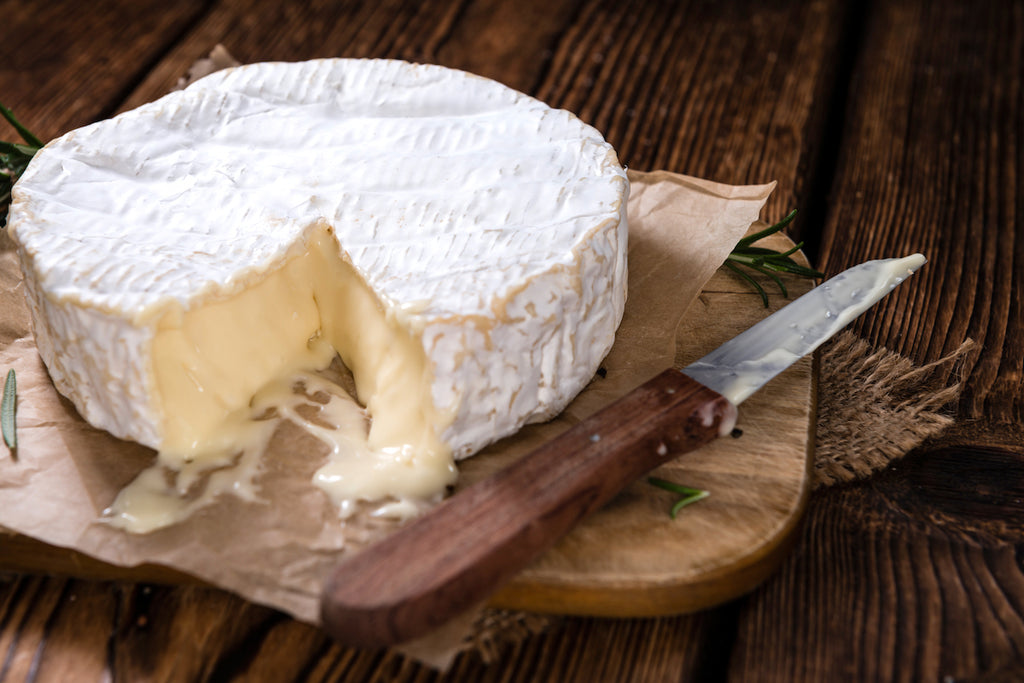
It belongs to the family of soft cheeses such as Brie and Brillat-Savarin. This type of cheese goes extremely well with Chardonnay aged and/or fermented in oak barrels, as these wines have buttery, nutty aromas that combine beautifully with the creamy texture of the cheese. You will naturally find this style of wine among the Chardonnays of Burgundy, but also among Chardonnays from South Africa, New Zealand, the United States or Argentina.
In a different vein, sparkling wines made using the traditional method, such as Champagne, Crémant or Cava from Spain, also make a surprising match. Their fine bubbles bring a lively touch, and their brioche notes combine wonderfully with the creaminess of Brie, offering a very comforting contrast.
Which wine to pair with goat’s cheese?

With its farmyard, slightly earthy notes, it is not the easiest cheese to pair, to the point that most red wines are often a poor choice. Well matched, however, this cheese can become a pure delight for the palate. The citrus and mineral notes of a Sauvignon Blanc from New Zealand, a Chenin from South Africa or a Riesling from Germany bring out the wonderful herbaceous and nutty flavours found in this cheese. You might also consider lesser-known but equally interesting wines for this pairing, such as a Grüner Veltliner from Austria or a Vinho Verde from northern Portugal.
Which wine to pair with Roquefort?

This pungent, powerful, salty cheese belongs to the family of blue cheeses, like Gorgonzola or Stilton. Try it with a glass of Port at the end of a meal. Its sweetness and power will balance the cheese and reveal its blue-veined notes. You can also choose to pair it with a late-harvest Gewürztraminer, whose floral and spicy notes will soothe the power of the cheese. Finally, a Moscato d’Asti from Piedmont also works particularly well with Gorgonzola. This sweet, lightly sparkling Italian wine, with its fine bubbles and exotic notes, will refresh the palate so you can carry on indulging.
Another successful sweet-and-salty pairing: a well-chilled Moscato d'Asti with gorgonzola.
Which wine to pair with Reblochon?

Reblochon belongs to the family of washed-rind cheeses, like Époisses or Munster. These cheeses can be paired with a wide range of wines, such as aromatic whites like Gewürztraminer from Alsace or Torrontés from Argentina. Depending on the strength of the cheese, you can also match them with light, fruity reds such as Pinot Noir or Gamay. Finally, a lively, expressive Riesling or a round, generous Pinot Gris will go particularly well with Munster.

So in the end, let’s be honest: it will obviously be difficult to bring out all these bottles for a varied cheese board. Still, it is worth knowing how to pair these two jewels of French gastronomy when the occasion arises, and how to bring out the best in each other’s flavours…
For that, the section to open is our light reds.
The next journey arrives by email
Our new articles, seasonal pairings and the estates joining the cellar, straight to your inbox.


